Does Sperm Have Sugar? What You Need to Know
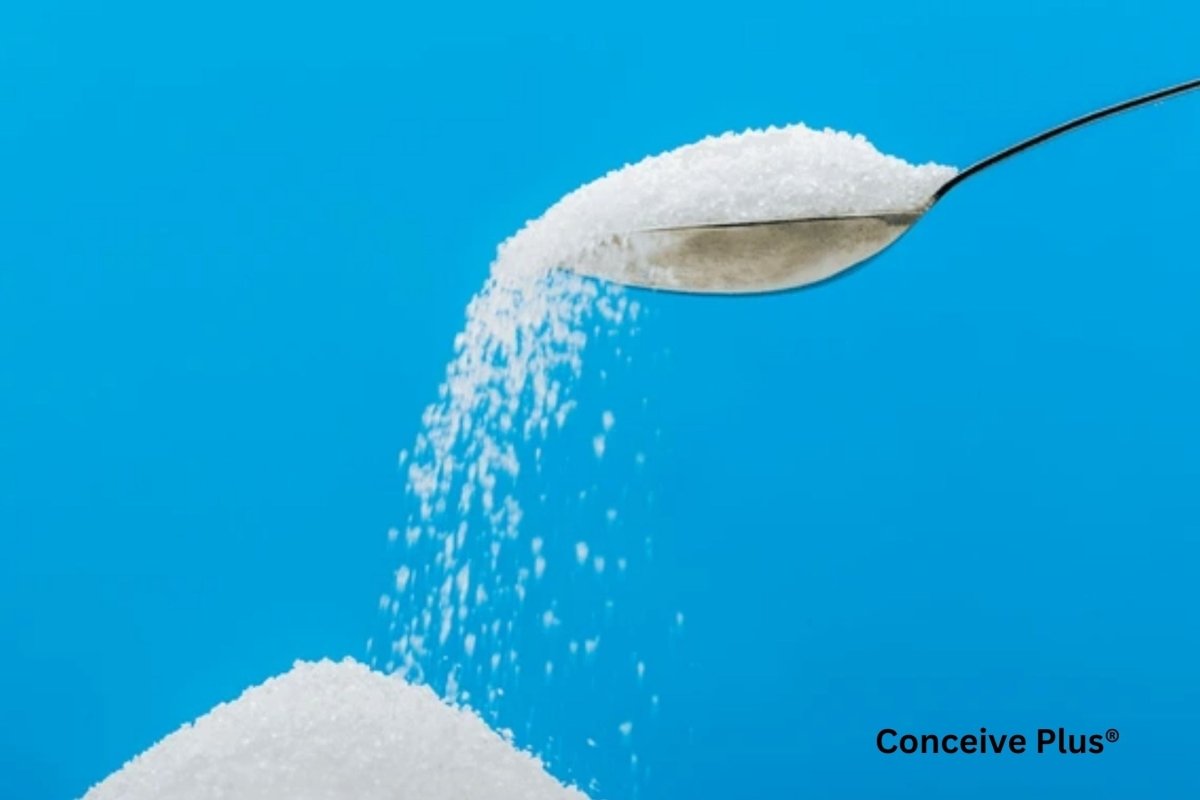

Sperm contains a small amount of sugar called fructose. This sugar provides energy for sperm to swim and reach an egg.
In addition to sugar, sperm also contains some other nutrients, but in very small amounts. Each nutrient in the sperm or semen has some function to achieve successful conception.
In this article, we will answer does sperm have sugar, how it supports sperm function, and what it means for male fertility.

Nutritional Composition of Sperm
Sperm cells need some nutrients to function optimally. The body incorporates these nutrients into the sperm cells during sperm formation.
Here are the nutrients present in sperm cells:
- Sugar: Fructose is the sugar present in sperm cells. It provides energy to the sperm cell.
- Protein: Sperm contains small amounts of protein. Protein in sperm is essential for its integrity and motility. While sperm contains essential nutrients like protein, the actual quantity is minimal, leading some to wonder about its nutritional significance, including how much protein loss in sperm and its impact on male fertility.
- Enzymes: Sperm contains enzymes that facilitate it in its proper functioning.
- Vitamins and Minerals: Semen contains tiny amounts of vitamins and minerals like vitamin C and Zinc.
Although sperm contains nutrients, it is not a good idea to eat sperm for nutrition. This is because of two primary reasons.
First, even if the average amount of semen contains millions and millions of sperm, they are still not enough to provide any nutritional benefits. Secondly, there is a risk of sexually transmitted infections and allergic reactions or semen allergy from eating sperm.
Does Sperm Have Sugar?
Yes, sperm does contain sugar molecules called fructose. This sugar is responsible for providing energy to the sperm.
Seminal vesicles, located posterior to the prostate gland, produce these sugar molecules and release them into pre ejaculate. When the sperm cells enter the female reproductive tract, the sugar molecules break down and provide energy for the sperm to swim.
Lack of sugar in the sperm can affect sperm motility and make it hard for the sperm to reach the egg.
The Impact of Dietary Sugar on Sperm Health
Although the sperm contains sugar which facilitates sperm motility and increases the chances of conception, it doesn’t mean eating sugar will also benefit sperm.
Dietary sugar is negatively associated with sperm health and overall reproductive health. A 2022 study shows that consuming refined sugar reduces sperm concentration [1].
Consuming sugar also increases the risk of obesity and diabetes. A study by the Reproductive Biology of Endocrinology journal shows that obesity and diabetes negatively impact sperm quality, sperm count, and overall male fertility [2].
Is Sperm Made of Glucose?
The fact that sperm contains sugar makes many people believe that sperm is made of glucose. But does sperm have glucose?
The sugar in sperm is fructose, not glucose which you get from dietary sugar. Fructose is a vital component of sperm, and it provides energy for the motility and viability of sperm cells.
However, this doesn't mean that consuming more fructose will directly improve sperm motility and sperm health. The relationship between diet and sperm health is complex and depends on a variety of factors.
Not sugar, but some nutrients in diet do improve sperm health and enhance overall fertility in males [3].

✨ Support Healthy Sperm
Our Motility Support supplement contains Zinc, CoQ10, and L-Carnitine — clinically studied nutrients for sperm health and motility.
Shop Now — $34.95✓ Free shipping on orders over $40 | ✓ Trusted by millions of couples worldwide

Foods for Sperm Health
While consuming sugar doesn’t improve sperm health, there are some foods that can improve sperm health and boost male fertility.
These include:
-
Vitamin C-Rich Foods
Foods like oranges, strawberries, and bell peppers are excellent sources of vitamin C. Vitamin C is an antioxidant that helps protect sperm from oxidative stress [4]. Low oxidative stress boosts sperm count, improves motility, and enhances overall reproductive health.
-
Zinc Containing Foods
Oysters, beef, and pumpkin seeds are high in zinc. Research shows that zinc supports testosterone production and helps maintain healthy sperm shape and function [5].
-
Vitamin E-Containing Foods
Almonds, spinach, and sunflower seeds are packed with vitamin E. Like vitamin C, vitamin E also acts as an antioxidant, protecting sperm cells from damage and enhancing overall sperm quality [4].
-
Folate-Rich Foods
Leafy greens, beans, and avocados are great sources of folate. Folate, also called B vitamin, is vital for the DNA synthesis of sperm cells and helps reduce sperm abnormalities [6].
-
Omega-3 Fatty Acid Foods
Salmon, flaxseeds, and walnuts contain omega-3 fatty acids. Omega-3 fatty acids are a type of healthy fats that improve sperm parameters, including sperm structure, sperm count, and motility [7].
While diet plays a significant role in male fertility, many wonder does milk increase sperm count and whether certain foods can enhance sperm quality and reproductive health.

The Bottom Line
Sperm contains different nutrients that help sperm cells reach the egg and fertilize it. In addition to enzymes, zinc, calcium, and protein in semen, it also contains sugar molecules.
The sugar in sperm cells is fructose, which plays a major role in the process of achieving conception. Fructose provides energy for the swimming of sperm cells inside the female reproductive tract. If the sperm cells have sugar, they have the energy to reach the egg and cause pregnancy. This answers the question, "does sperm have sugar"—yes, it does, in the form of fructose.
However, it is important to note that dietary sugar has nothing to do with sugar in the sperm cells. Instead, consuming refined sugar can harm sperm health and reduce fertility in males.
Resources Used
- Efrat, M., Stein, A., Pinkas, H., Unger, R., & Birk, R. (2022). Sugar Consumption Is Negatively Associated with Semen Quality. Reproductive sciences (Thousand Oaks, Calif.), 29(10), 3000–3006. https://doi.org/10.1007/s43032-022-00973-4
- AbbasiHormozi, S., Kouhkan, A., Shahverdi, A., Parikar, A., Shirin, A., & Vesali, S. (2023). How much obesity and diabetes do impair male fertility? Reproductive Biology and Endocrinology : RB&E, 21. https://doi.org/10.1186/s12958-022-01034-w
- What Vitamins Should A Man Take When Trying To Conceive. Conceive Plus®. https://conceiveplus.com/blogs/blog/what-vitamins-should-a-man-take-when-trying-to-conceive
- Walke, G., Gaurkar, S. S., Prasad, R., Lohakare, T., & Wanjari, M. (2023). The Impact of Oxidative Stress on Male Reproductive Function: Exploring the Role of Antioxidant Supplementation. Cureus, 15(7). https://doi.org/10.7759/cureus.42583
- Te, L., Liu, J., Ma, J., & Wang, S. (2023). Correlation between serum zinc and testosterone: A systematic review. Journal of trace elements in medicine and biology : organ of the Society for Minerals and Trace Elements (GMS), 76, 127124. https://doi.org/10.1016/j.jtemb.2022.127124
- Wang, W., Peng, M., Yuan, H., Liu, C., Zhang, Y., Fang, Y., Su, Y., Zhang, X., Zhang, H., Tang, Y., & Zhao, K. (2022). Studying the mechanism of sperm DNA damage caused by folate deficiency. Journal of Cellular and Molecular Medicine, 26(3), 776-788. https://doi.org/10.1111/jcmm.17119
- Safarinejad, M. R., & Safarinejad, S. (2012). The roles of omega-3 and omega-6 fatty acids in idiopathic male infertility. Asian Journal of Andrology, 14(4), 514-515. https://doi.org/10.1038/aja.2012.46
🌱 Boost Male Fertility Naturally
Conceive Plus Men's Motility Support is formulated with the nutrients that matter most for sperm quality, count, and motility.
Shop Men's Fertility →Frequently Asked Questions
Recommended by Fertility Experts
Conceive Plus Men's Fertility Support
Designed to support healthy sperm production, motility, and overall male reproductive health with clinically studied nutrients.
Shop Now →Q: Does semen contain sugar?
A: Yes, semen contains fructose, a natural sugar that serves as the primary energy source for sperm cells. This fructose is produced primarily by the seminal vesicles and provides the fuel that powers sperm motility—their ability to swim toward the egg. While the amount of fructose in semen is relatively small (approximately 5 mg/mL), it plays a critical role in male fertility. According to the American Society for Reproductive Medicine (ASRM), adequate sperm energy metabolism is essential for successful fertilization, which is why maintaining overall male reproductive health through proper nutrition is important.
Q: Does human sperm contain sugar?
A: Human sperm cells contain and depend on fructose sugar for their biological function and survival. The fructose found in seminal fluid comes from the seminal vesicles, which are part of the male reproductive system, and is absorbed by sperm to fuel their movement through the female reproductive tract. Without this sugar energy source, sperm would quickly lose motility and be unable to reach and fertilize an egg. Research shows that sperm metabolism and energy production directly impact fertility outcomes, making the nutritional composition of semen an important factor in male reproductive health.
Q: Does cum have glucose?
A: While semen primarily contains fructose as its main sugar, it also contains small amounts of glucose and other nutrients that support sperm function. Fructose is the predominant sugar because it's more efficiently utilized by sperm cells for energy production compared to glucose. The seminal plasma—the liquid portion of ejaculate—provides this complete nutritional environment that sperm cells require to maintain motility and viability. Men looking to optimize their reproductive health should consider comprehensive fertility support, including supplements like Conceive Plus for men, which are designed to support healthy sperm production and function.
Q: Does cum contain sugar in it?
A: Yes, ejaculate (semen) contains fructose sugar along with other essential nutrients including proteins, vitamins, minerals, and amino acids. The fructose concentration in healthy semen typically ranges from 1.5 to 6.5 mg/mL, and this sugar is absolutely vital for sperm energy metabolism and motility. In addition to fructose, semen contains zinc, calcium, citric acid, and other compounds that each play specific roles in supporting sperm function and fertility. A nutritionally balanced diet and proper hydration can help ensure optimal seminal composition, which is why male fertility support often focuses on overall health and nutritional status.
Q: Does semen contain glucose and what role does it play in fertility?
A: Semen contains primarily fructose rather than glucose, though trace amounts of glucose may be present in seminal fluid. Fructose is the preferred energy substrate for sperm cells because it fuels ATP production, which powers sperm motility—a critical factor in male fertility. Studies from fertility research institutions demonstrate that adequate sugar metabolism in sperm is directly correlated with fertilization success rates and natural conception outcomes. Men concerned about fertility should focus on maintaining healthy sperm parameters through proper nutrition, hydration, and evidence-based fertility supplements designed to support sperm health and function.
Trusted by Couples in Over 70 Countries
Support Male Fertility From the Inside Out
Male fertility is just as important as female fertility in the conception journey. Conceive Plus Men's range delivers targeted nutritional support to promote healthy sperm and overall reproductive wellbeing.
Shop Men's Range →