Doctor Infertility: The Role of Fertility Physicians in Treatment


Infertility is a condition where couples are unable to conceive after a year of regular, unprotected sex. This depressing issue affects around 15% of couples worldwide, and its causes can be anything. That makes it essential to seek medical help when conception is delayed. Fertility physicians, also known as reproductive endocrinologists, can help. These specialized doctors can help diagnose and treat infertility, offering hope to many couples trying to grow their families. A doctor infertility specialist can perform targeted evaluations to identify the root causes and tailor effective treatments for each couple.

What Is Doctor Infertility?
Doctor infertility refers to the guidance, diagnosis, and treatments provided by medical professionals specializing in fertility. These healthcare professionals work with both men and women to address reproduction issues. Contrary to popular belief, infertility is not just a woman’s issue. According to infertility data, out of the total infertility cases, men are the reason for 30% of them. In comparison, women account for another 30%, with the remaining 40% due to combined or unexplained factors.
A fertility physician helps both partners by assessing their reproductive health, diagnosing the underlying causes of infertility, and recommending treatments based on individual needs.
What Causes Infertility?
There is no definite cause of infertility since a lot of factors play a vital role in reproduction. Infertility stems from both men and women, and a few common issues can be the following:
-
Female Infertility Causes
- Ovulation disorders: Ovulation disorders are among the most common infertility causes in women. Issues such as polycystic ovary syndrome (PCOS) or premature ovarian failure can disrupt regular ovulation. In simple terms, these disorders are the disturbances in the egg production [1].
- Blocked fallopian tubes: Hydrosalpinx or fallopian tube blockage happens when the end portion of a woman’s fallopian tube is swollen and filled with fluid. Blockages caused by conditions like endometriosis or pelvic inflammatory disease also prevent sperm from reaching the egg [2].
- Uterine abnormalities: Most congenital uterine abnormalities have no symptoms at all. And while some women have a normal pregnancy with uterine anomalies, it’s not always the case. Problems such as fibroids or scarring can interfere with embryo implantation, leading to female infertility [3].
- Hormonal imbalances: This is probably the most common cause many couples fail to conceive. Your body needs to have balanced hormone levels for a healthy pregnancy. Irregularities in hormone production can disrupt ovulation and reduce fertility [4].
-
Male Infertility Causes:

✨ Trying to Conceive?
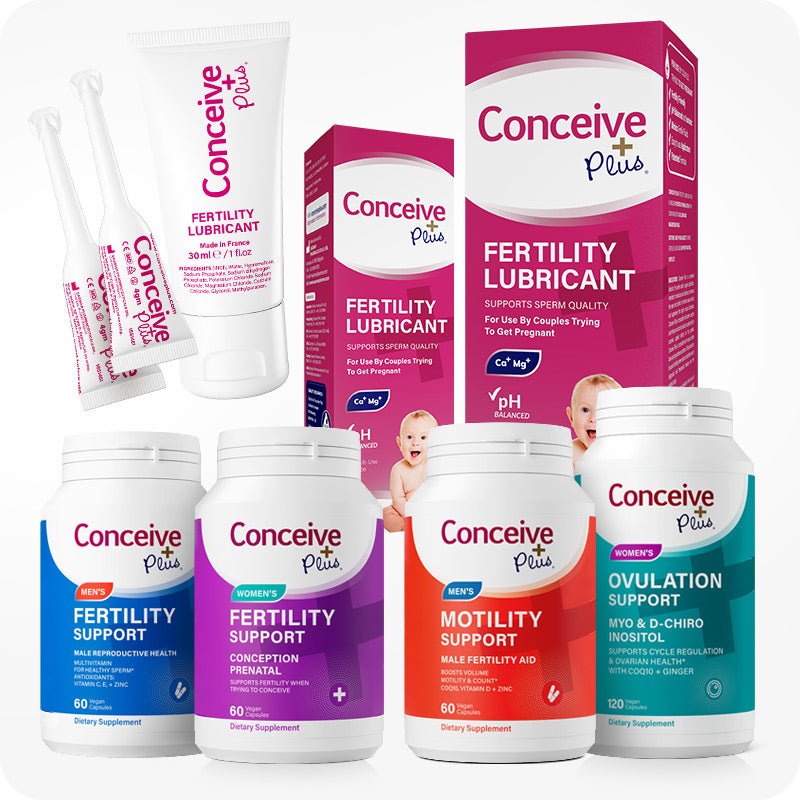
Our Ovulation & Fertility Bundle combines Myo-Inositol with essential vitamins to support healthy hormone balance and regular ovulation.
Shop Now — $55.00✓ Free shipping on orders over $40 | ✓ Trusted by millions of couples worldwide
- Low sperm count: This is one of the most common reasons for male infertility. A normal sperm count is somewhere between 15 million and 200 million sperm per milliliter of semen. Anything less than 15 million is considered oligospermia(low sperm count) [5].
- Poor sperm motility: Sperm motility is the ability of your sperm to move faster and more effectively to reach the egg. If your sperm is having trouble reaching and fertilizing an egg, you should see a doctor infertility right away.
- Varicocele: This condition, where veins in the scrotum are enlarged, can negatively impact sperm production. Usually in males, sperm production determines your fertility. So, any kind of condition with an adverse effect on sperm production causes infertility [6].

The Role of a Fertility Physician
A fertility physician is specially trained to diagnose and treat infertility in both men and women. Here’s a look at how they help:
-
Diagnosis
You doctor infertility starts by gathering a detailed medical and sexual history from both partners. They may conduct several tests to identify the cause of infertility, such as semen analysis, hormone testing, or imaging tests like ultrasounds or hysterosalpingograms (HSG) to assess the health of reproductive organs.
-
Treatment Options
Once the cause is identified, the doctor infertility will suggest treatments tailored to the couple’s situation. These might include:
- Lifestyle changes: This can involve weight management, stopping smoking, or reducing stress, all of which can affect fertility. If you have been trying to conceive and still have an unhealthy lifestyle, it’s time to change it.
- Medications: Fertility drugs, such as Clomid or Letrozole, can help stimulate ovulation in women. For men, medications that increase testosterone or address erectile dysfunction may be recommended.
- Surgery: Sometimes, surgical intervention is necessary, such as repairing blocked fallopian tubes or addressing varicoceles in men.
-
Assisted Reproductive Technology (ART)
If lifestyle changes or medication don’t work, ART may be recommended. This can include:
- Intrauterine insemination (IUI): Sperm is placed directly in the uterus, increasing the chances of fertilization.
- In vitro fertilization (IVF): Eggs are retrieved from the ovaries and fertilized with sperm in a lab. Once an embryo is formed, it’s transferred back into the uterus.
- Intracytoplasmic sperm injection (ICSI): A single sperm is injected directly into an egg during the IVF process.
When to See a Fertility Doctor?
A fertility physician is typically consulted when a couple has been trying to conceive for over a year without success. However, if a woman is over the age of 35, it’s recommended to seek help after six months. Additionally, if either partner has a known medical issue that affects fertility (such as irregular periods or previous reproductive surgeries), it’s wise to visit a doctor earlier.
Emotional Impact and Coping Strategies
The emotional toll of infertility can be very impactful and significant. Couples often face anxiety, frustration, and sadness as they go through fertility treatments. It’s a time when both partners can help each other a lot. It’s important to seek support through therapy or support groups to manage the emotional side of infertility.
Fertility physicians can also provide guidance on how to cope with the emotional ups and downs during the treatment process. Many clinics offer counseling services, and some patients find comfort in connecting with others who are facing similar challenges.

Final Words
Infertility is a common issue that affects many couples, but it’s not the end of the road. A fertility physician can help diagnose the problem and offer a range of treatments that increase the chances of conceiving. From lifestyle changes to advanced reproductive technologies, these doctors play a vital role in helping couples achieve their dream of parenthood. If you’re struggling with infertility, consulting with a fertility physician is the first step towards finding a solution. Never hesitate to reach out to a doctor infertility expert who can guide you through the right steps based on medical insight and proven protocols.
Sources
- https://www.ncbi.nlm.nih.gov/pmc/articles/PMC10573907/
- https://www.medicalnewstoday.com/articles/321419
- https://www.ncbi.nlm.nih.gov/pmc/articles/PMC8911320/
- https://www.parents.com/getting-pregnant/infertility/treatments/hormone-imbalance-and-pregnancy/
- https://www.mayoclinic.org/diseases-conditions/low-sperm-count/diagnosis-treatment/drc-20374591
- https://www.ncbi.nlm.nih.gov/books/NBK448113/
Buy conception products online at Conceive Plus, the fertility brand trusted by couples and healthcare professionals in over 70 countries! Order premium conception supplements on our website today, the best conception kits for sale for TTC couples.
🌱 Support Your Fertility Journey
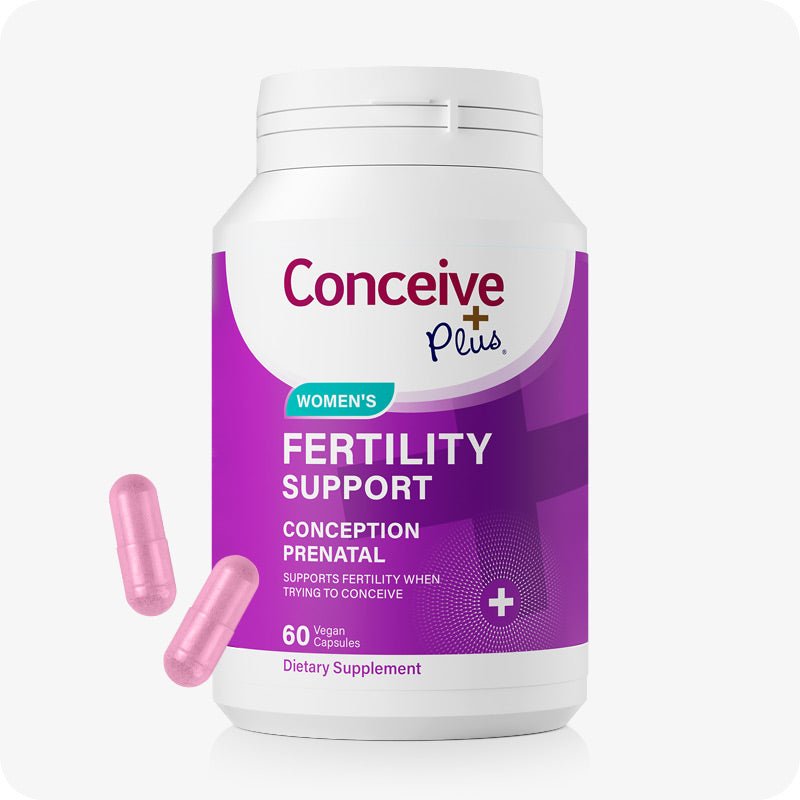
Conceive Plus fertility supplements are clinically formulated to help regulate your cycle and support egg quality.
Shop Fertility Support →Frequently Asked Questions
Recommended by Fertility Experts
Conceive Plus Men's Fertility Support
Designed to support healthy sperm production, motility, and overall male reproductive health with clinically studied nutrients.
Shop Now →How much does fertility treatment cost in the US, and does insurance cover it?
Fertility treatment costs vary significantly depending on the procedure, ranging from $300-$500 for basic diagnostic tests to $12,000-$15,000 per IVF cycle. Insurance coverage differs by state and plan; some states mandate fertility coverage while others don't, so it's essential to review your specific policy. Many fertility clinics offer financing options and payment plans to help manage costs. The American Society for Reproductive Medicine (ASRM) recommends discussing financial aspects with your clinic upfront.
What should I expect during my first fertility evaluation appointment?
During your initial visit, a fertility specialist will review your medical history, perform a physical examination, and may order blood work and imaging tests like ultrasounds or hysterosalpingograms. For male partners, a semen analysis is typically conducted to assess sperm count, motility, and morphology. The doctor may also discuss lifestyle factors, medication use, and previous pregnancy history to identify potential infertility causes. This comprehensive evaluation usually takes 1-2 hours and helps establish a personalized treatment plan.
When should I see a fertility specialist instead of my regular OB/GYN?
You should consider seeing a reproductive endocrinologist if you've been unable to conceive after one year of unprotected intercourse (or six months if you're over 35), have a history of miscarriages, or have known conditions like PCOS or endometriosis. Additionally, male factor infertility or same-sex couples planning pregnancy benefit from specialized fertility care. While OB/GYNs can provide initial guidance, reproductive endocrinologists have advanced training in complex fertility issues and advanced treatments like IVF, which are FDA-regulated procedures.
What is the success rate of fertility treatments in the United States?
Success rates vary widely based on age, infertility cause, and treatment type, but the CDC reports that IVF results in live births about 40-50% of the time for women under 35, declining with age. Intrauterine insemination (IUI) has lower success rates of 10-20% per cycle, while fertility medications alone may achieve 20-25% pregnancy rates depending on the underlying issue. Your fertility specialist can provide personalized success estimates based on your specific diagnosis and medical history. It's important to discuss realistic expectations during your consultation.
Are there non-surgical treatments available for infertility before considering IVF?
Yes, fertility specialists typically recommend a stepped approach starting with less invasive options such as fertility medications to enhance ovulation, timed intercourse counseling, or intrauterine insemination (IUI) for couples with male factor or unexplained infertility. Lifestyle modifications including weight management, stress reduction, and cessation of smoking can also improve fertility outcomes. Depending on your diagnosis—such as thyroid disorders or hormonal imbalances—targeted medical treatment may resolve infertility without advanced procedures. Your fertility physician will recommend the most appropriate first-line treatment based on diagnostic findings.
How do I find a board-certified fertility specialist near me?
You can search the American Society for Reproductive Medicine (ASRM) website or the American Board of Obstetrics and Gynecology (ABOG) to verify that a fertility specialist is board-certified in reproductive endocrinology and infertility. Most fertility clinics are accredited by the College of American Pathologists (CAP) and the Clinical Laboratory Improvement Amendments (CLIA), ensuring quality standards. Your OB/GYN can also provide referrals, and many insurance plans maintain lists of in-network fertility specialists. Reading patient reviews and checking clinic success rates reported to the CDC can help you make an informed choice.
What are the risks and side effects of common fertility treatments?
Fertility medications can cause mild side effects like headaches, bloating, and mood changes, while ovarian hyperstimulation syndrome (OHSS) is a rare but potentially serious complication requiring medical monitoring. IVF procedures carry minimal risk from the egg retrieval process itself, though infection or bleeding are uncommon complications. Hormonal treatments may increase the risk of blood clots, and there is ongoing research regarding any long-term health effects, though major studies have not found increased cancer risk. Your fertility specialist will discuss all potential risks and how they monitor for complications during treatment.
Trusted by Couples in Over 70 Countries
Support Male Fertility From the Inside Out
Male fertility is just as important as female fertility in the conception journey. Conceive Plus Men's range delivers targeted nutritional support to promote healthy sperm and overall reproductive wellbeing.
Shop Men's Range →