Why Dizziness at Ovulation Happens and How to Manage It


Dizziness can happen during ovulation, and for some women, it’s a regular occurrence. It’s often due to hormonal changes that your body goes through during this time. If you’re trying to conceive, understanding why dizziness at ovulation happens and how to deal with it can make the experience a bit easier. Even though it’s usually harmless, it can still feel unsettling. Here’s everything you need to know about it.

What Causes Dizziness at Ovulation
The main reason for dizziness at ovulation is hormonal fluctuations. During ovulation, your estrogen levels surge, which can temporarily lower blood pressure. Low blood pressure can cause lightheadedness or even make you feel like you’re going to faint.
Another reason is changes in blood sugar levels. Ovulation increases your body’s energy needs, and if you don’t eat enough or eat on time, you might feel weak or dizzy. For some women, hormonal shifts also trigger migraines, which can bring dizziness, nausea, and sensitivity to light along with them [1].
Some women also experience feeling sick and tired during ovulation, as hormonal fluctuations can trigger fatigue and nausea alongside dizziness.
These symptoms might be annoying, but they’re usually not serious. To feel better, try eating small meals throughout the day. This helps keep your blood sugar stable, which might reduce the dizziness.
How Dizziness at Ovulation Affects Fertility
The good news is, ovulation dizziness doesn’t hurt your chances of getting pregnant. If anything, it’s just a sign that ovulation is happening. For couples trying to conceive, this is a key time to plan intercourse since you’re most fertile [2].
Nutrients play a big role in fertility. CoQ10, for example, helps protect your eggs from damage and keeps their quality high. Folic acid is essential too—it supports cell growth and development, which is critical for a healthy pregnancy. Ingredients like L-arginine improve blood flow to your reproductive organs, making ovulation and implantation more efficient [3].
Adding foods with folic acid, zinc, and magnesium into your meals can boost your reproductive health and support conception naturally.

Managing Dizziness During Ovulation
If you’re feeling dizzy around ovulation, there are simple things you can do to manage it. Staying hydrated is one of the easiest ways to help. Dehydration can make dizziness worse, so make sure you’re drinking enough water throughout the day.

✨ Trying to Conceive?
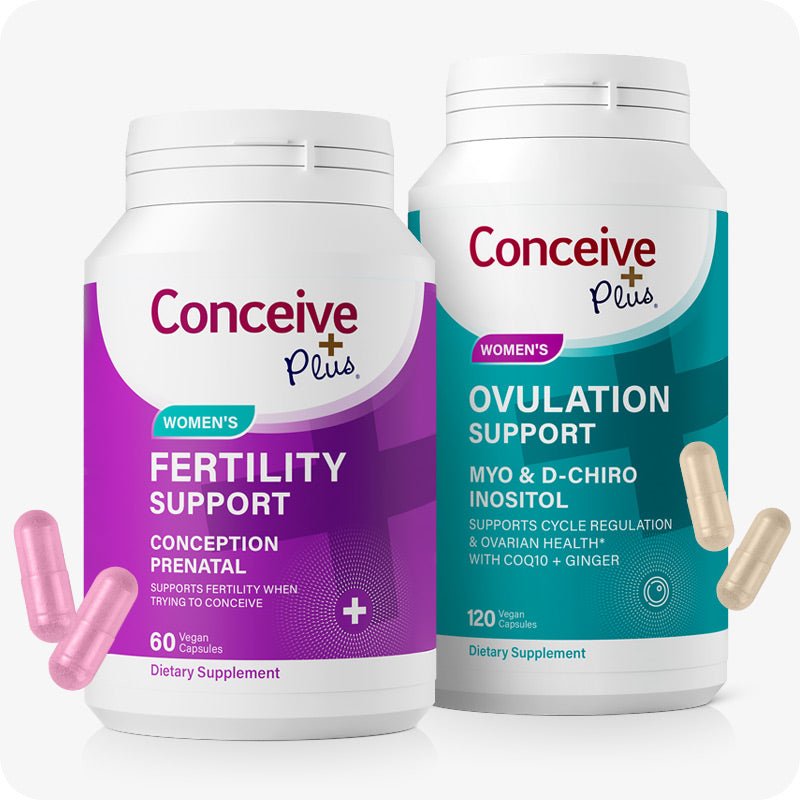
Our Ovulation & Fertility Bundle combines Myo-Inositol with essential vitamins to support healthy hormone balance and regular ovulation.
Shop Now — $55.00✓ Free shipping on orders over $40 | ✓ Trusted by millions of couples worldwide
Low iron levels can also make you feel dizzy because they reduce the amount of oxygen that gets to your brain. Eating iron-rich foods like spinach, beans, or red meat can help. If you think you might be low on iron, you could also consider supplements, but talk to your doctor first [4].
Balancing your hormones can make a difference too. Vitamins like B6 and minerals like magnesium are great for supporting hormonal health and might help with symptoms like dizziness and fatigue [5].
Many women also notice fatigue after ovulation as their progesterone levels rise, which can lead to tiredness and low energy in the days following ovulation.
Making small changes, like eating balanced meals, drinking water, and getting enough rest, can really go a long way in feeling better.
When to See a Doctor
While dizziness at ovulation is usually harmless, there are times when it’s worth talking to a doctor. If your dizziness is really bad or doesn’t go away, it’s a good idea to get it checked out. The same goes if you have other symptoms like fainting, heavy bleeding, or severe headaches. These could mean there’s something else going on, like anemia or a hormonal imbalance [6].
Keeping track of your symptoms can help you figure out if there’s a pattern. Write down when the dizziness happens, how long it lasts, and what else you’re feeling. This can give your doctor useful information to help figure out what’s causing it.

The Bottom Line
Understanding why dizziness at ovulation happens can make it easier to manage. Hormonal changes are a natural part of the process, but simple things like staying hydrated, eating well, and using supplements with key nutrients can really help.
For those trying to conceive, this time is crucial. Knowing what’s happening in your body can help you stay prepared and give you peace of mind. Ovulation dizziness doesn’t have to be something you just put up with—there are plenty of ways to handle it and feel better.
FAQs
Is dizziness during ovulation something to worry about?
Usually, no. It’s a common symptom caused by hormonal changes, but if it’s severe, talk to your doctor.
Does dizziness at ovulation affect fertility?
Not at all. It’s just a sign that you’re in your fertile phase, so it doesn’t harm your chances of getting pregnant.
How can I stop dizziness during ovulation?
Stay hydrated, eat balanced meals, and consider taking supplements that support hormonal health, like magnesium or vitamin B6.
Should I see a doctor if I feel dizzy every time I ovulate?
If it’s severe or comes with other symptoms like fainting or heavy bleeding, it’s a good idea to get it checked out.
Can lifestyle changes really help with ovulation symptoms?
Yes, absolutely. Eating healthy, staying active, and managing stress can reduce symptoms and improve overall reproductive health.
Citations
- Sacco S, Ricci S, Degan D, Carolei A. Migraine in women: the role of hormones and their impact on vascular diseases. J Headache Pain. Available at: https://pmc.ncbi.nlm.nih.gov/articles/PMC3311830/
- Wilcox AJ, Dunson D, Baird DD. The timing of the "fertile window" in the menstrual cycle: day specific estimates from a prospective study. Available at: https://pubmed.ncbi.nlm.nih.gov/11082086/
- Bergen NE, Jaddoe VW, Timmermans S, Hofman A, Lindemans J, Russcher H, Raat H, Steegers-Theunissen RP, Steegers EA. Homocysteine and folate concentrations in early pregnancy and the risk of adverse pregnancy outcomes: the Generation R Study. Available at: https://pubmed.ncbi.nlm.nih.gov/22489763/
- Killip S, Bennett JM, Chambers MD. Iron deficiency anemia. Am Fam Physician. 2007 Mar 1;75(5):671-8. Erratum in: Am Fam Physician. Available at: https://pubmed.ncbi.nlm.nih.gov/17375513/
- Fathizadeh N, Ebrahimi E, Valiani M, Tavakoli N, Yar MH. Evaluating the effect of magnesium and magnesium plus vitamin B6 supplement on the severity of premenstrual syndrome. Iran J Nurs Midwifery Res. Available at: https://pmc.ncbi.nlm.nih.gov/articles/PMC3208934/
- Ganz T. Systemic iron homeostasis. Physiol Rev. Available at: https://pubmed.ncbi.nlm.nih.gov/24137020/
🌱 Support Your Fertility Journey
Conceive Plus fertility supplements are clinically formulated to help regulate your cycle and support egg quality.
Shop Fertility Support →Frequently Asked Questions
Recommended by Fertility Experts
Conceive Plus Men's Fertility Support
Designed to support healthy sperm production, motility, and overall male reproductive health with clinically studied nutrients.
Shop Now →Q: Does ovulation cause dizziness?
A: Yes, ovulation can cause dizziness in some women, though not everyone experiences this symptom. During ovulation, your body undergoes significant hormonal changes—particularly a surge in estrogen and luteinizing hormone (LH)—which can affect blood pressure, blood sugar levels, and inner ear fluid balance. Research indicates that approximately 30% of women report experiencing dizziness or lightheadedness during their fertile window. While typically harmless and temporary, persistent dizziness should be evaluated by a healthcare provider to rule out other underlying conditions. Staying hydrated, eating balanced meals with adequate iron intake, and managing stress can help minimize dizziness during ovulation.
Q: Can hormonal changes cause dizziness?
A: Hormonal fluctuations throughout your menstrual cycle are a primary cause of dizziness, with ovulation being a particularly common trigger. During ovulation, estrogen levels spike dramatically, which can temporarily lower blood pressure and reduce blood flow to the brain, resulting in lightheadedness or vertigo. The American College of Obstetricians and Gynecologists (ACOG) recognizes hormonal-related dizziness as a normal variation of the menstrual cycle in many women. Beyond ovulation, progesterone increases during the luteal phase can also contribute to dizziness in some individuals. If you're tracking these symptoms while trying to conceive, keeping a detailed cycle log can help you identify patterns and discuss them with your fertility specialist.
Q: Can being sick affect ovulation?
A: Yes, being sick can potentially affect ovulation and your fertile window, as illness and fever can disrupt your body's hormonal balance. According to the American Society for Reproductive Medicine (ASRM), physical stress from infections—whether viral or bacterial—can delay or suppress ovulation by interfering with the delicate hormone signals required for egg release. High fevers, in particular, are known to temporarily impact reproductive hormones and may shift your ovulation date by a few days. If you're actively trying to conceive and become ill, it's helpful to continue tracking ovulation symptoms even if your cycle feels disrupted. Once you've recovered, your cycle typically returns to normal, though this may take one to two menstrual cycles.
Q: Can a heavy period cause dizziness?
A: Yes, heavy menstrual bleeding can cause dizziness due to iron loss and reduced red blood cell count, a condition known as menstrual-related anemia. Women who experience heavy periods lose more blood and iron with each cycle, which can lead to fatigue, weakness, and dizziness—especially when standing up quickly. The CDC estimates that heavy menstrual bleeding affects approximately 1 in 4 women of reproductive age in the United States. If you're experiencing dizziness alongside heavy periods, consulting your healthcare provider is important to check your iron levels and explore treatment options. Supplementing with iron-rich foods or prenatal vitamins like Conceive Plus formulations containing essential micronutrients can support your overall reproductive health and help manage symptoms.
Q: Can you feel dizzy during ovulation?
A: Absolutely—dizziness during ovulation is a recognized symptom that many women experience as part of their menstrual cycle. The sharp rise in estrogen that triggers ovulation can cause a temporary dip in blood pressure, affect fluid balance in the inner ear, and alter blood sugar metabolism, all of which contribute to lightheadedness or vertigo. Some women also experience dizziness alongside other ovulation symptoms like breast tenderness, mild abdominal cramping, and increased cervical mucus. This sensation typically lasts only a few hours to a day and resolves on its own once hormone levels stabilize. If dizziness is severe, occurs outside your ovulation window, or is accompanied by other concerning symptoms, consult your healthcare provider to ensure there are no underlying health issues.
Trusted by Couples in Over 70 Countries
Support Male Fertility From the Inside Out
Male fertility is just as important as female fertility in the conception journey. Conceive Plus Men's range delivers targeted nutritional support to promote healthy sperm and overall reproductive wellbeing.
Shop Men's Range →