Fertility: 5 Things You NEED To Know


 “We need to be asking ourselves, ‘Do you want to be a mother? Do you want to have a career? What does an ideal balance look like for you, and what steps do you need to take to achieve it?’ I think it’s very important for the discourse around these issues to be normalized so that people have more open conversations. Because often, the conversations feel too confrontational. Like with mothers and teachers telling young women, ‘It’s time for you to have a child; don’t delay,’ — it feels too imposing.
I think if people really opened up the conversations to be more frank and understanding where they really talk to each other about their goals — and I think that progress can be made. In my case, I wish that someone had said, ‘You might not want a kid in your 20s, but there might be a time later on when you do, so think about how to prepare yourself for that.’ For instance, now, young women have so many more tools at their disposal. There is so much more information out there they can seek. They just don’t know where to start.
No one is telling you to go to this site and look at these fertility charts. And, they’re not telling you that you might want to think about freezing your eggs while they’re in their optimal quality. By the time you get to your 30s, that quality starts to decline, so maybe you want to freeze them in your 20s so you have more options later on. Egg freezing isn’t a guarantee. It might not work out because you’ll be relying on reproductive science because you won’t be doing it naturally. But, it is an added sense of security to have pursued fertility preservation when you’re at your peak.”
“We need to be asking ourselves, ‘Do you want to be a mother? Do you want to have a career? What does an ideal balance look like for you, and what steps do you need to take to achieve it?’ I think it’s very important for the discourse around these issues to be normalized so that people have more open conversations. Because often, the conversations feel too confrontational. Like with mothers and teachers telling young women, ‘It’s time for you to have a child; don’t delay,’ — it feels too imposing.
I think if people really opened up the conversations to be more frank and understanding where they really talk to each other about their goals — and I think that progress can be made. In my case, I wish that someone had said, ‘You might not want a kid in your 20s, but there might be a time later on when you do, so think about how to prepare yourself for that.’ For instance, now, young women have so many more tools at their disposal. There is so much more information out there they can seek. They just don’t know where to start.
No one is telling you to go to this site and look at these fertility charts. And, they’re not telling you that you might want to think about freezing your eggs while they’re in their optimal quality. By the time you get to your 30s, that quality starts to decline, so maybe you want to freeze them in your 20s so you have more options later on. Egg freezing isn’t a guarantee. It might not work out because you’ll be relying on reproductive science because you won’t be doing it naturally. But, it is an added sense of security to have pursued fertility preservation when you’re at your peak.”
 “Consider a fertility workup to get a better idea of your personal biological timeline and any underlying issues. Speak to your doctor about what this might entail and ask in advance what it will cost you. For example, you can have your AMH (Anti-Mullerian Hormone) levels tested, which can help predict your ovarian reserve, through blood work.
It’s really the AMH levels and FSH levels that you want to test — AMH being the anti-müllerian hormone and FSH being the follicle stimulating hormone — both of which are indicators of your ovarian reserve (basically your egg reserve and egg quality). The good news is the blood-work tests aren’t very expensive. You’ll be out a couple of hundred dollars.
“Consider a fertility workup to get a better idea of your personal biological timeline and any underlying issues. Speak to your doctor about what this might entail and ask in advance what it will cost you. For example, you can have your AMH (Anti-Mullerian Hormone) levels tested, which can help predict your ovarian reserve, through blood work.
It’s really the AMH levels and FSH levels that you want to test — AMH being the anti-müllerian hormone and FSH being the follicle stimulating hormone — both of which are indicators of your ovarian reserve (basically your egg reserve and egg quality). The good news is the blood-work tests aren’t very expensive. You’ll be out a couple of hundred dollars.
 “If you’d like to have children with a partner, be open to a partner who will be a good parent. Before making serious commitments to a partner, think and talk about your respective reproductive goals and parenting approaches.
It’s important for people to have open conversations with their partner because both members of a couple should not feel like they’re alone in their pursuit
“If you’d like to have children with a partner, be open to a partner who will be a good parent. Before making serious commitments to a partner, think and talk about your respective reproductive goals and parenting approaches.
It’s important for people to have open conversations with their partner because both members of a couple should not feel like they’re alone in their pursuit  “Make sure you have good health insurance, and be aware of the policies surrounding fertility and reproduction where you live and work. Insurance is such a quagmire, and it really varies state-to-state and policy-to-policy. But typically, unless you’ve been diagnosed with infertility (which was the case in my situation),
✨ Trying to Conceive?
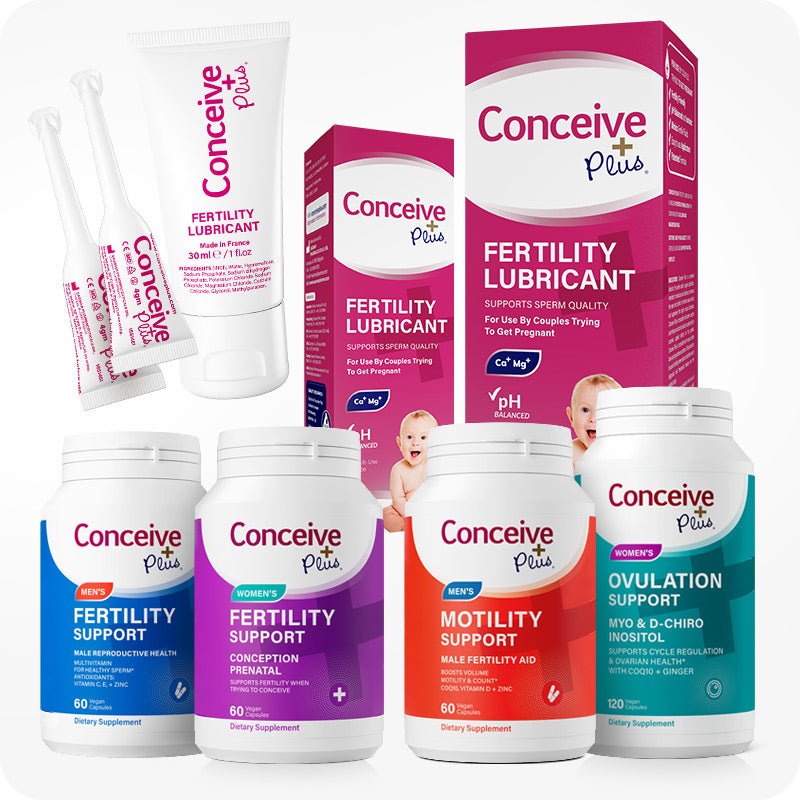
Our Ovulation & Fertility Bundle combines Myo-Inositol with essential vitamins to support healthy hormone balance and regular ovulation.
Shop Now — $55.00✓ Free shipping on orders over $40 | ✓ Trusted by millions of couples worldwide
Information about Conceive Plus
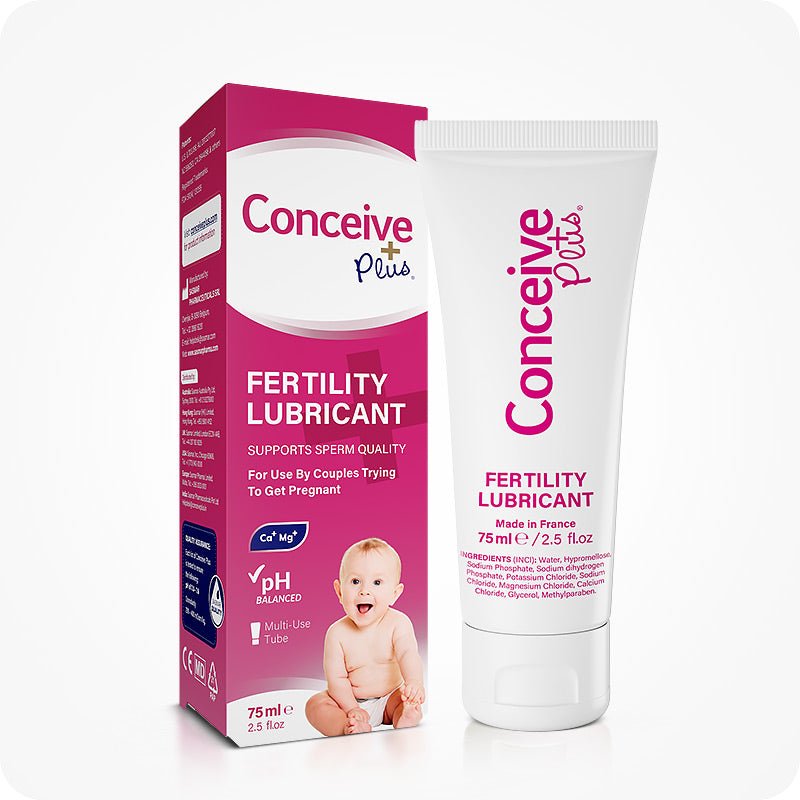
If you have just started trying to get pregnant or have been trying for a while, Conceive Plus® can help increase your chances of conception naturally! Recommended by doctors, pharmacists and fertility clinics in more than 60 countries, this is the fertility friendly lubricant approved by the FDA and a prescription is not required.🌱 Support Your Fertility Journey
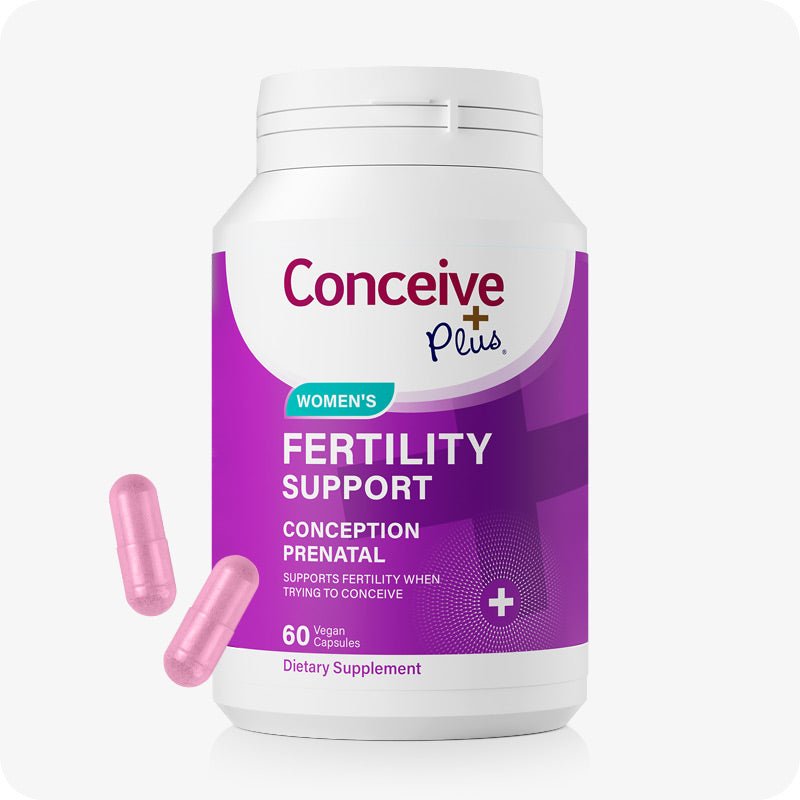
Conceive Plus fertility supplements are clinically formulated to help regulate your cycle and support egg quality.
Shop Fertility Support →Frequently Asked Questions
Recommended by Fertility Experts
Conceive Plus Men's Fertility Support
Designed to support healthy sperm production, motility, and overall male reproductive health with clinically studied nutrients.
Shop Now →At what age does female fertility decline most significantly?
Fertility begins a noticeable decline in the mid-30s, with a more dramatic drop after age 35. At 35, a woman's chance of conceiving per cycle drops to 15-20% compared to 40-50% at age 15, and by age 45, that chance falls to just 3-5%. This decline is tied to both the decreasing number of eggs and the decreasing viability of remaining eggs over time.
How many eggs does a woman have at different life stages?
Women begin with approximately 300,000 to 400,000 eggs at their first menstrual cycle. By age 30, this number drops to 39,000-52,000 (about 13% of the original supply), and by age 40, it's down to just 9,000-12,000 (about 3% of the original supply). It's important to note that not all remaining eggs are viable for conception.
What are reliable sources for fertility information in the US?
Trustwo
Should I consider egg freezing, and when is the best time?
Egg freezing is a tool that allows women to preserve fertility for future use, and the FDA-approved process has become increasingly accessible through American fertility clinics. The best time to consider egg freezing is earlier in your reproductive years when egg quality is higher, though individual circumstances vary greatly and should be discussed with a reproductive endocrinologist.
How can I take control of my fertility health right now?
Start by scheduling an appointment with your primary care doctor or gynecologist to discuss your fertility goals and get baseline information about your reproductive health. Research credible fertility resources, understand your own timeline and preferences regarding motherhood and career, and educate yourself about fertility facts so you can make informed decisions about your future.
Is IVF my only option if I struggle to conceive naturally?
While IVF is an effective option for many people experiencing infertility, it's not always the first or only treatment path. Treatment options depend on the underlying cause of infertility and may include fertility medications, intrauterine insemination (IUI), or lifestyle modifications—your fertility specialist can help determine the best approach after proper evaluation.
How should I approach the conversation about fertility with my partner?
Open, honest conversations about fertility goals, timeline, and expectations are essential for couples planning a family. Rather than viewing fertility discussions as confrontational, frame them as collaborative planning around shared life goals—discussing what balance looks like for both partners regarding career, motherhood, and family planning will help you make decisions together.
Trusted by Couples in Over 70 Countries
Support Male Fertility From the Inside Out
Male fertility is just as important as female fertility in the conception journey. Conceive Plus Men's range delivers targeted nutritional support to promote healthy sperm and overall reproductive wellbeing.
Shop Men's Range →