Color De Esperma Infertil OR Infertile Sperm Color
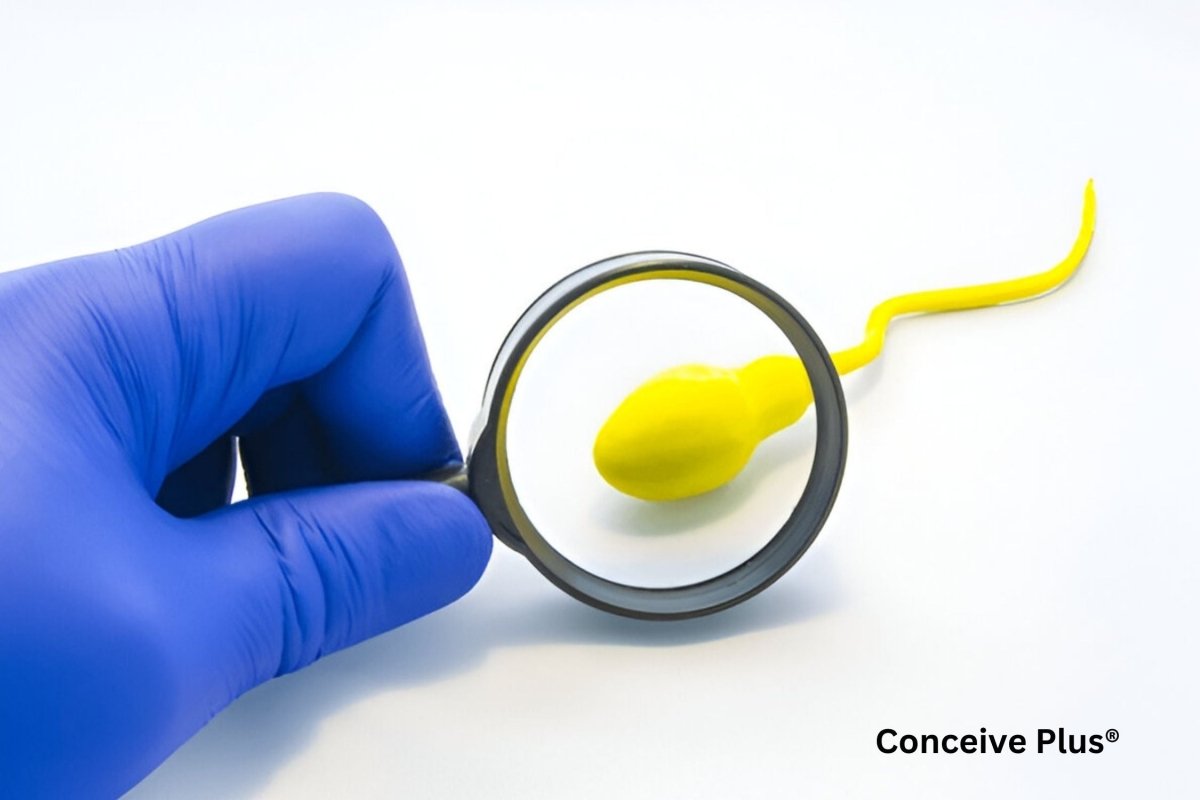

Semen is the fluid containing sperm, which a man ejaculates after reaching orgasm. Semen health is an essential factor in determining male fertility.
Semen health depends on several factors, including sperm count, motility, and morphology [1]. Semen color is another important factor that provides valuable insights into male reproductive health. Different color changes in semen indicate underlying fertility issues.
In this article, we will explore color de esperma infertil or infertile sperm color, what different semen colors mean, and what kind of fertility issues these colors can indicate.

What Is Normal Semen Color?
People often ask de que color es el semen or what color is semen. Normal semen is typically whitish-gray in color and has a slightly thick texture [2]. This appearance means that the sperm cells are healthy and can cause conception.
It is not that semen color and texture always remain the same. Slight variations can occur based on factors like diet, hydration levels, or temporary changes in health.
Whitish-gray semen is considered a sign of good sperm quality and sufficient sperm concentration. If the semen color consistently looks different, it might indicate an underlying issue that could affect fertility.

Common Changes in Semen Color
Here are some common changes in semen color and an explanation of what these color changes indicate:
-
Yellowish Semen
The most prominent reason for the yellowing of sperm is the presence of urine in the sperm [3]. Since the penis is the single passageway for both urine and sperm, sometimes sperm can mix with some amount of urine already present in the penis.
Dietary choices, such as foods rich in sulfur compounds, are another common cause of sperm yellowing. However, it could also signal a health issue like an infection or a high white blood cell count (leukocytopenia).
-
Pink or Reddish Semen
When blood is present in sperm, it appears pink or red. This condition is called hematospermia, and its causes can include trauma, infections, or inflammation in the reproductive organs [4].
Hematospermia doesn't always mean infertility, but it's essential to address the underlying cause to prevent potential fertility problems.

✨ Support Healthy Sperm
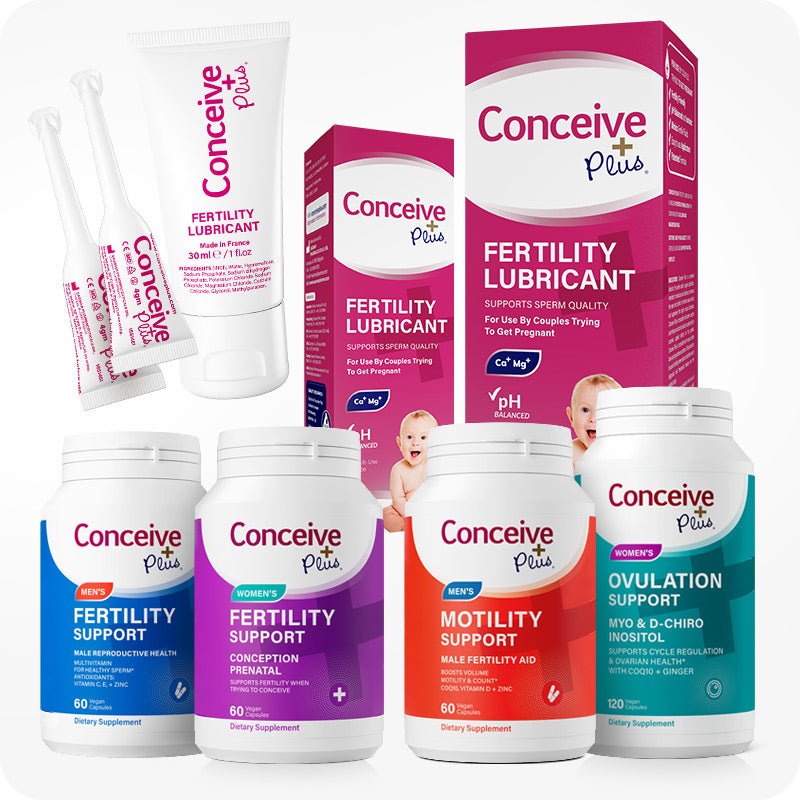
Our Motility Support supplement contains Zinc, CoQ10, and L-Carnitine — clinically studied nutrients for sperm health and motility.
Shop Now — $34.95✓ Free shipping on orders over $40 | ✓ Trusted by millions of couples worldwide
-
Brownish Semen
Brown semen often suggests old blood in the reproductive tract. This can result due to past injuries or issues with the prostate [5]. If you repeatedly experience brown semen, you need to consult a healthcare professional for a detailed evaluation of your condition.
-
Clear or Watery Semen
Clear or watery semen may indicate a low sperm count or reduced sperm quality, both of which are major causes of infertility. This condition can result from hormonal imbalances, infections, or lifestyle factors like stress and poor diet.

How Does Infertile Sperm Look?
Semen that is infertile often appears clear, watery, or abnormally colored. However, it's important to note that appearance alone isn't enough to confirm infertility. Infertile seminal fluid may not always display noticeable changes, emphasizing the importance of medical testing to diagnose conditions like azoospermia.
There are different diagnostic tests that can tell you about the quality and parameters of sperm. Semen analysis is one of the most common tests that can provide detailed information about sperm count, motility, and morphology [6]. If semen consistently looks unusual, it may be a sign to seek medical advice. Additionally, incorporating male fertility supplements with ingredients like zinc, folic acid, and antioxidants may help improve sperm quality and overall reproductive health.

When to Seek Medical Help?
Changes in semen color are not always a cause for concern, but persistent changes may indicate underlying problems. If abnormal semen color comes with symptoms like pain, swelling, or difficulty during ejaculation, it's essential to see a doctor. A semen analysis can help diagnose potential issues and guide treatment options to improve fertility.
The Bottom Line
Semen color is an important indicator of men's reproductive health. Normal or healthy semen is whitish-gray in color and has a gel-like consistency. However, color de esperma infertil or infertile sperm color is not a single color. Any sperm color, either yellow, brown, pink, or even white, can have infertile sperm cells. Only the semen analysis report can guide you in determining the health of your sperm cells and your overall fertility health.
Resources Used
- Cooper, T. G., Noonan, E., Von Eckardstein, S., Auger, J., Baker, H. G., Behre, H. M., Haugen, T. B., Kruger, T., Wang, C., Mbizvo, M. T., & Vogelsong, K. M. (2009). Human Reproduction Update, 16(3), 231–245. https://doi.org/10.1093/humupd/dmp048
- Discolored semen: What does it mean? (n.d.). Mayo Clinic. https://www.mayoclinic.org/discolored-semen/expert-answers/faq-20058363
- Professional, C. C. M. (2024z, September 23). Yellow Semen. Cleveland Clinic. https://my.clevelandclinic.org/health/symptoms/21600-yellow-semen
- Mathers, M. J., Degener, S., Sperling, H., & Roth, S. (2017). Hematospermia—a Symptom With Many Possible Causes. Deutsches Ärzteblatt International. https://doi.org/10.3238/arztebl.2017.0186
- Halder, A., Jain, M., Chaudhary, I., Kumar, G., Das, T., & Gupta, Y. K. (2013). Dark-coloured semen in nonobstructive azoospermia: a report of four cases. Andrologia, 46(3), 316–321. https://doi.org/10.1111/and.12078
- Sunder, M., & Leslie, S. W. (2022l, October 24). Semen Analysis. StatPearls - NCBI Bookshelf. https://www.ncbi.nlm.nih.gov/books/NBK564369/
🌱 Boost Male Fertility Naturally
Conceive Plus Men's Motility Support is formulated with the nutrients that matter most for sperm quality, count, and motility.
Shop Men's Fertility →Frequently Asked Questions
Recommended by Fertility Experts
Conceive Plus Men's Fertility Support
Designed to support healthy sperm production, motility, and overall male reproductive health with clinically studied nutrients.
Shop Now →What does it mean if my semen color is yellow or greenish?
Yellowish or greenish semen can result from urine mixing with sperm, dietary factors like sulfur-rich foods, or potentially an infection or elevated white blood cell count. While occasional color changes may not indicate infertility, persistent yellowing should be evaluated by a urologist or fertility specialist to rule out underlying health issues that could affect fertility.
Is blood in semen (hematospermia) a sign of infertility?
Hematospermia, or blood in semen, doesn't automatically mean you're infertile, but it indicates an underlying issue such as infection, inflammation, or trauma to the reproductive organs. It's important to see a healthcare provider to identify and treat the cause, as untreated conditions could potentially impact fertility over time.
When should I see a doctor about abnormal semen color?
You should consult a urologist or fertility specialist if semen color changes persist for more than a few weeks, is accompanied by pain or other symptoms, or if you're having difficulty conceiving. In the US, most insurance plans cover initial fertility evaluations when ordered by a primary care physician or fertility clinic.
Can diet affect semen color and quality?
Yes, diet can influence semen color—foods high in sulfur compounds may cause yellowing, while hydration levels affect semen consistency and appearance. Maintaining proper nutrition, hydration, and antioxidant intake through foods or supplements with ingredients like CoQ10 and zinc supports overall sperm health and normal semen appearance.
Does abnormal semen color always mean low sperm count?
Abnormal semen color doesn't always correlate directly with sperm count; however, it may indicate an underlying condition affecting reproductive health. A complete semen analysis ordered by a fertility clinic is necessary to evaluate sperm count, motility, morphology, and other parameters regardless of color changes.
What is the normal range for semen color and consistency?
Normal semen is whitish-gray with a slightly thick texture, indicating healthy sperm concentration and quality. Minor variations in color and consistency can occur due to hydration, diet, and temporary health changes, but consistently abnormal appearance warrants medical evaluation.
Can semen color indicate an infection affecting fertility?
Yes, certain semen colors—such as yellow, green, or brown—can signal infections or inflammation in the reproductive tract that may impact sperm function and fertility. An American fertility clinic can perform a semen analysis and cultures to identify infections, which are often treatable with antibiotics or other appropriate medical interventions.
Trusted by Couples in Over 70 Countries
Support Male Fertility From the Inside Out
Male fertility is just as important as female fertility in the conception journey. Conceive Plus Men's range delivers targeted nutritional support to promote healthy sperm and overall reproductive wellbeing.
Shop Men's Range →