Coconut Oil for Masturbate: Is It Safe?
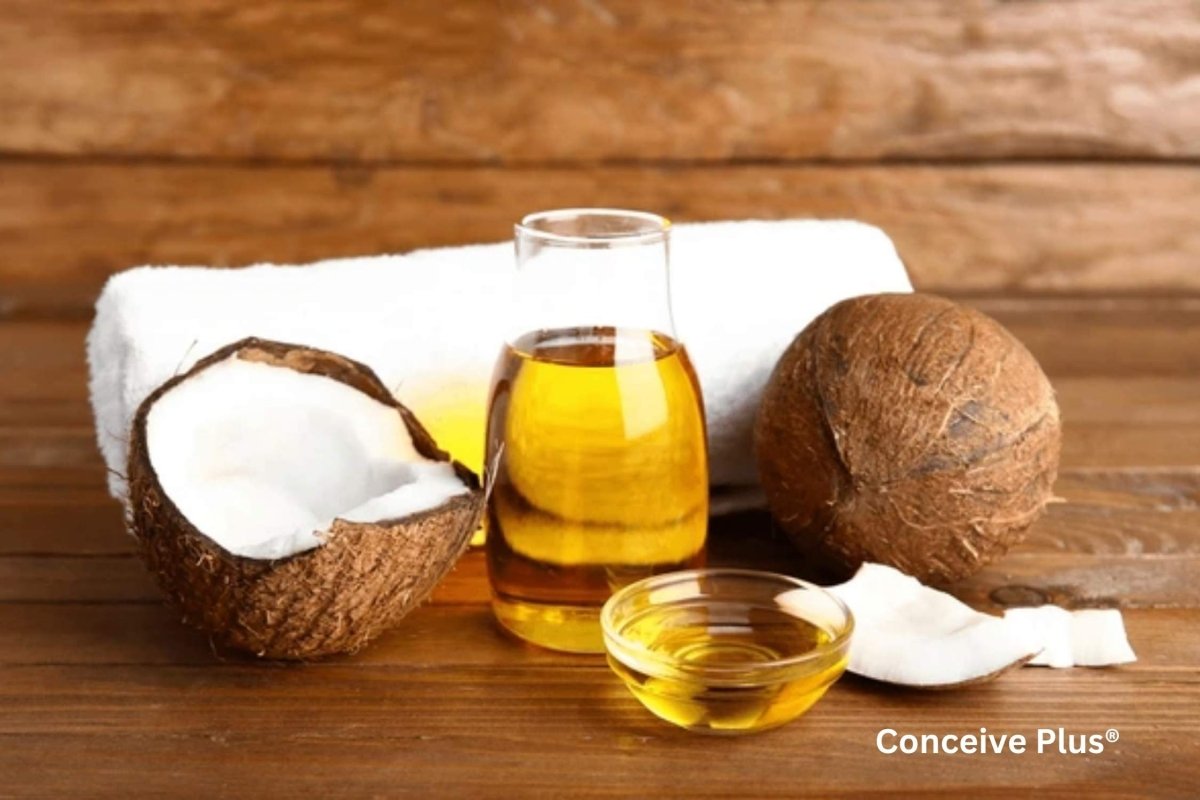

Lubrication is important during masturbation or even intercourse to avoid friction from rubbing, which otherwise results in pain and discomfort. Coconut oil is a popular natural product used for many purposes, from cooking to skincare [1]. Some people also consider using it for masturbation because of its smooth texture and moisturizing properties. But is it safe?
In this article, we will discuss the importance of lubrication for masturbation and the benefits, risks, and tips for using coconut oil for masturbate to help you make an informed decision.

Why Do People Consider Coconut Oil for Masturbating?
Coconut oil is considered a healthy food option and is also an important part of many skincare products. It is chemical-free and easy to find. It has a smooth texture, which makes it a good lubricant, and it doesn't dry out as quickly as water-based lubricants. Coconut oil is also affordable and has a pleasant smell, which adds to its appeal.
Based on all these properties, many people believe that coconut oil can act as a great lubricant for masturbation. But the question here is, is coconut oil safe for masturbation? Or do all these properties of coconut oil benefit during masturbation?
Is Coconut Oil Safe for Masturbation?
Coconut oil is generally safe for external use, and most people don't experience any problems using it. However, some individuals may have sensitive skin or allergies that could lead to irritation from coconut oil masturbating [2]. Before using coconut oil regularly, it's a good idea to do a patch test by applying a small amount of coconut oil to your skin and waiting 24 hours to check for any reaction [3].
For females, coconut oil may not be a good lubricant as it is for males during masturbation. This is because coconut oil can disrupt the natural pH balance and increase the risk of infections by yeast or bacteria [4]. If you're prone to such infections, it's best to choose a different lubricant.
Advantages of Using Coconut Oil
Here are some advantages of using coconut oil as a lubricant for masturbation act:
- Natural Moisturizer: Coconut oil is an excellent moisturizer that hydrates the skin. It prevents dryness or irritation during masturbation.
- Long-Lasting Lubrication: The problem with water-based lubricants is that they dry out quickly. However, this is not the case with coconut oil masturbating. Coconut oil doesn't dry out quickly, which means you don't have to re-apply it as often.
- Antimicrobial Properties: Coconut oil contains lauric acid, and studies show that it has antimicrobial properties that may help prevent certain bacterial infections [5].
- Pleasant Smell and Feel: Coconut oil has a light, natural scent and a smooth, non-sticky texture, which makes the experience of using it enjoyable.

✨ Trying to Conceive?
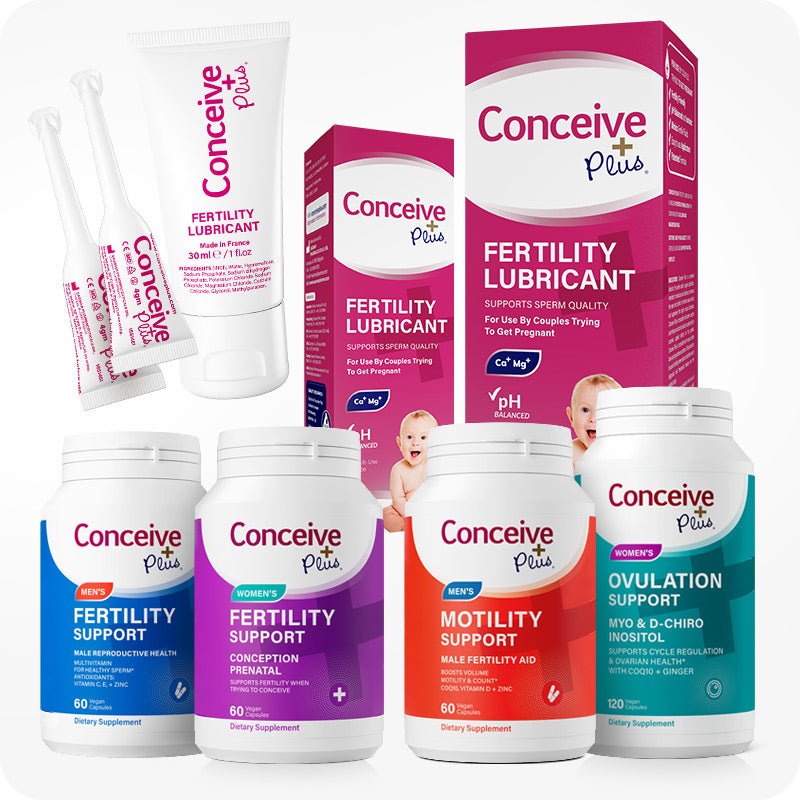
Our Ovulation & Fertility Bundle combines Myo-Inositol with essential vitamins to support healthy hormone balance and regular ovulation.
Shop Now — $55.00✓ Free shipping on orders over $40 | ✓ Trusted by millions of couples worldwide

Disadvantages of Using Coconut Oil
Like any other lubrication solution, coconut oil is also not perfect, and there can be some disadvantages to using it. These are:
- Not Compatible with Latex: Coconut oil is not compatible with latex, a material that condoms are made of. Coconut oil can weaken latex condoms, making them more likely to break. If you're using condoms along with coconut oil, go for non-latex alternatives like polyurethane condoms.
- Potential for Allergic Reactions: Some people may be allergic to coconut oil and experience irritation or itching. Always test it on a small area of skin first, a method called patch testing.
- Can Cause Vaginal Imbalances: If you use coconut oil during intercourse or if a female uses it on the vagina for masturbation, it can disrupt the natural pH balance of the vagina. An imbalance in pH can lead to infections like yeast infections or bacterial vaginosis [6].
- Staining Clothes and Sheets: Coconut oil can leave stains on fabrics, so be mindful of your surroundings and clean up thoroughly after use.
Tips for Using Coconut Oil Safely
Here are some tips that can ensure that you
- Choose organic, unrefined coconut oil to avoid additives or chemicals.
- Avoid using coconut oil if you are prone to vaginal infections or irritation.
- Always clean up properly after the act to remove any residue from your skin, which can clog pores or attract bacteria.
- If you use condoms during intercourse, choose non-latex ones to prevent breakage.
Alternatives to Coconut Oil for Masturbating
If coconut oil doesn't seem right for you, there are plenty of other options. These include:
- Water-based lubricants: Water-based lubricants are safe for most people since they usually don't contain any allergens or harmful chemicals. They are also easy to clean and are compatible with condoms.
- Silicone-based lubricants: These lubricants are long-lasting and great for sensitive skin but not always easy to clean.
- Other natural oils: Oils like almond oil or grapeseed oil offer similar benefits to coconut oil, but they also come with potential risks for sensitive users. If you're curious about other natural lubricant options, you might want to explore whether coconut lube is a safe and effective choice for personal use.

The Bottom Line
Coconut oil is an ingredient in many topical creams for moisturizing skin. It has antibacterial properties, can reduce dryness, and has a pleasant smell. These properties make one wonder if this oil is used as a lubricant for masturbation or is coconut oil a safe lubricant when trying to conceive.
Coconut oil for masturbate act can be a good option for most people. It moisturizes skin, prevents friction during rubbing, and gives off a pleasant smell. It also has some potential drawbacks, such as the risk of allergy or condom breakage, since it is not compatible with latex condoms.
It is not very safe for women during intercourse or masturbation since it can disturb the vaginal pH which can lead to infections. If coconut oil is not for you, you can choose other lubricants for masturbation or intercourse for a smooth experience.
Resources Used
- Wallace, T. C. (2018). Health Effects of Coconut Oil—A Narrative Review of Current Evidence. Journal of the American College of Nutrition, 38(2), 97–107. https://doi.org/10.1080/07315724.2018.1497562
- Kruse, L., Lor, J., Yousif, R., Pongracic, J. A., & Fishbein, A. B. (2021). Coconut allergy: Characteristics of reactions and diagnostic predictors in a pediatric tertiary care center. Annals of allergy, asthma & immunology : official publication of the American College of Allergy, Asthma, & Immunology, 126(5), 562–568.e1. https://doi.org/10.1016/j.anai.2021.01.027
- Lazzarini, R., Duarte, I., & Ferreira, A. L. (2013). Patch tests. Anais Brasileiros De Dermatologia, 88(6), 879–888. https://doi.org/10.1590/abd1806-4841.20132323
- Adcox, M. (2023, June 20). Is Coconut Oil a Safe Lube for Sex? Healthline. https://www.healthline.com/health/coconut-oil-sex
- Khoramnia, A., Ebrahimpour, A., Ghanbari, R., Ajdari, Z., & Lai, O. M. (2013). Improvement of medium chain fatty acid content and antimicrobial activity of coconut oil via solid-state fermentation using a Malaysian Geotrichum candidum. BioMed research international, 2013, 954542. https://doi.org/10.1155/2013/954542
- Kairys, N., Carlson, K., & Garg, M. (2024, May 6). Bacterial Vaginosis. StatPearls - NCBI Bookshelf. https://www.ncbi.nlm.nih.gov/books/NBK459216/
🌱 Support Your Fertility Journey
Conceive Plus fertility supplements are clinically formulated to help regulate your cycle and support egg quality.
Shop Fertility Support →Frequently Asked Questions
Recommended by Fertility Experts
Conceive Plus Men's Fertility Support
Designed to support healthy sperm production, motility, and overall male reproductive health with clinically studied nutrients.
Shop Now →Q: Is coconut oil safe to use as a lubricant for masturbation?
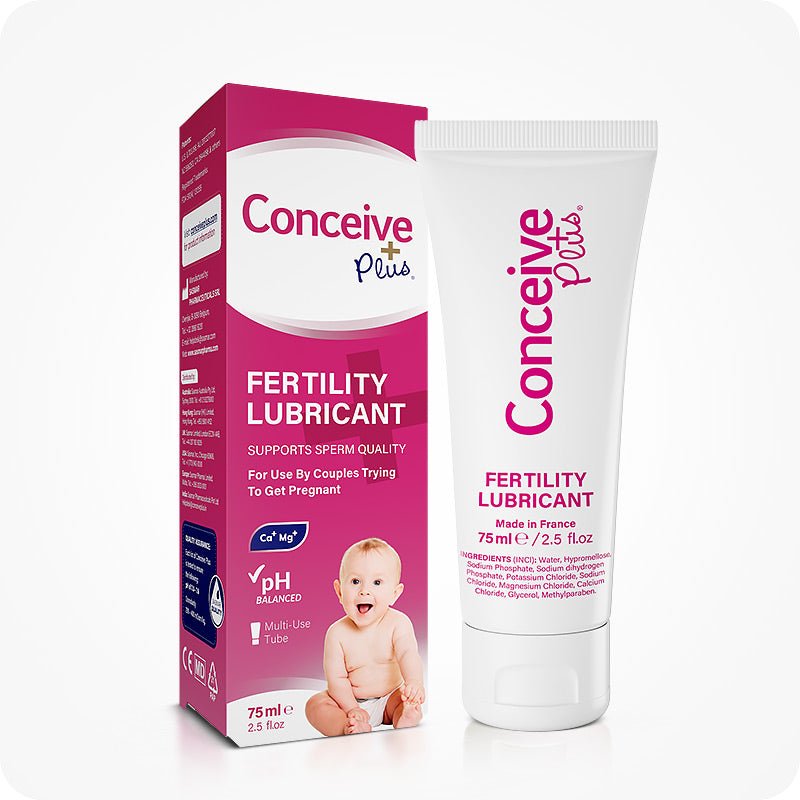
A: Coconut oil is generally safe for external use during masturbation due to its natural, non-toxic composition and smooth texture. However, it's important to note that coconut oil can degrade latex condoms and diaphragms, making them less effective for contraception—a concern highlighted by the American Sexual Health Association. For individuals seeking a dedicated personal lubricant, Conceive Plus offers a glycerin-free, hypoallergenic option specifically formulated for intimate use. If you choose to use coconut oil, ensure it's pure, organic, and unrefined to minimize potential irritants.
Q: Can coconut oil cause yeast infections or other infections?
A: Coconut oil has natural antifungal properties, but it can still alter vaginal pH and potentially promote yeast overgrowth in some individuals, particularly those with sensitive microbiomes. The American College of Obstetricians and Gynecologists notes that non-water-based products can disrupt natural vaginal flora in approximately 15-20% of regular users. If you experience itching, burning, or unusual discharge after use, discontinue immediately and consult a healthcare provider. Water-based alternatives like Conceive Plus are specifically designed to maintain vaginal pH balance and are recommended by fertility specialists for safer intimate use.
Q: What's the difference between coconut oil and baby oil for masturbation?
A: Coconut oil is a natural plant-based product with moisturizing properties, while baby oil is a mineral oil derivative that may contain additives and fragrances not intended for intimate use. Baby oil can clog pores and is generally less ideal for genital skin, which is more sensitive than body skin. Neither is optimal compared to products specifically formulated for intimate use—fertility and sexual health experts recommend water-based lubricants that won't interfere with natural body chemistry. For those planning conception, using a fertility-friendly lubricant like Conceive Plus ensures you're not introducing substances that could impact reproductive health or sperm mobility.
Q: Does coconut oil affect fertility or sperm health?
A: Research from the American Society for Reproductive Medicine indicates that coconut oil itself doesn't directly harm sperm, but non-water-based lubricants can reduce sperm motility by up to 60% in laboratory studies. If you're actively trying to conceive, using a sperm-friendly lubricant is crucial—Conceive Plus is clinically proven to support sperm movement and viability, making it the recommended choice for couples planning pregnancy. For masturbation during the fertile window, using a conception-friendly lubricant ensures you're not compromising your fertility goals. Always consult with a fertility specialist about lubricant choices if you're trying to conceive.
Q: What are the best alternatives to coconut oil for masturbation?
A: Water-based lubricants are the safest and most widely recommended option by gynecologists and sexual health professionals, as they're compatible with condoms, easy to clean, and less likely to disrupt natural body chemistry. Silicone-based lubricants offer longer-lasting lubrication but aren't compatible with silicone toys; the American Sexual Health Association recommends checking product compatibility before use. For individuals concerned about fertility and reproductive health, specialized products like Conceive Plus provide both safety and efficacy—it's hypoallergenic, glycerin-free, and formulated to support reproductive wellness. Always choose lubricants from reputable brands that clearly disclose ingredients and have been dermatologically tested.
Trusted by Couples in Over 70 Countries
Support Male Fertility From the Inside Out
Male fertility is just as important as female fertility in the conception journey. Conceive Plus Men's range delivers targeted nutritional support to promote healthy sperm and overall reproductive wellbeing.
Shop Men's Range →