Clear Jelly Discharge


Clear jelly discharge is a type of vaginal secretion that can look like raw egg whites in texture and appearance. It is typically clear or slightly cloudy, stretchy, and sticky. This clear sticky discharge is most commonly associated with ovulation. It’s the process where an egg is released from the ovary. Around ovulation, your body produces more estrogen, which causes the cervix to secrete this clear, jelly type discharge. This secretion before period helps the sperm travel through the cervix and fertilize an egg.
What Causes Clear Jelly Discharge?
Clear jelly discharge is most commonly caused by the hormonal changes that occur during the menstrual cycle. Here are some of the main reasons you might experience this type of discharge:
- Ovulation: During ovulation, your cervical mucus becomes more abundant, clear, and stretchy—much like egg whites. This egg white secretion is a sign that you are in your fertile window. If you’re trying to conceive, this is the best time to have intercourse. If you're tracking your cycle, you might wonder, how long after egg white cervical mucus do you ovulate? Typically, ovulation occurs within a day or two after noticing this type of mucus [1].
- Cervical Mucus Before Period: In the days leading up to your period, you might notice a change in your discharge. Cervical mucus prior to menstruation often becomes thicker and less stretchy, and some women might experience clearish sticky discharge. This type of secretion before your period is normal and can vary from one cycle to the next [1].
- Hormonal Changes: Hormonal fluctuations throughout the menstrual cycle can cause variations in the type of discharge you experience. For example, after ovulation, if you do not conceive, you might notice discharge after ovulation if not pregnant becomes thicker and more opaque, resembling a thick clear jelly-like discharge [1].

Is Clear Jelly Discharge Normal?
Yes, clear jelly discharge is entirely normal for most women, especially around ovulation. It indicates that your body is producing fertile cervical mucus, which is a sign of a healthy reproductive system. However, it's essential to be aware of any changes in your discharge that might indicate an underlying issue.
When to Be Concerned
While clear jelly discharge is usually nothing to worry about, there are a few instances when it might be a cause for concern:
- Infection: If your discharge has a foul odor and it's giving you itching or burning, or changes color to green or yellow, it could be a sign of an infection. Refer to a discharge color chart to understand the possible implications of different discharge colors [2].
- Pregnancy: Some women notice a clear stretchy discharge with a little blood during early pregnancy, which can be a sign of implantation. This type of discharge is typically light pink or brownish and should not be heavy [3].
- Hormonal Imbalances: If your discharge changes suddenly and is accompanied by other symptoms, such as irregular periods or excessive hair growth, it might be worth consulting with a healthcare provider to check for hormonal imbalances [4].
- Ovulation: If you're tracking your cycle and notice jelly discharge around the middle of your cycle, it's likely related to ovulation. However, if you experience clear slimy discharge when I wipe or clearish sticky discharge outside of your usual cycle, it could be worth investigating further.
Variations in Discharge Texture and Consistency
Discharge can vary widely in texture and consistency. Here’s what different types of discharge might indicate:

✨ Think You Might Be Pregnant?
Get fast, accurate results up to 6 days before your missed period with our early detection pregnancy test.
Shop Now — $9.80✓ Free shipping on orders over $40 | ✓ Trusted by millions of couples worldwide
- Creamy Discharge: A creamy discharge is often seen after ovulation and before your period starts. This type of discharge is usually thick, white, and not stretchy.
- White Sticky Discharge: A white sticky discharge can be a sign of low estrogen levels and is often seen just after your period ends.
- Transparent Sticky Discharge: A transparent sticky discharge is typical around ovulation and is a sign of fertile cervical mucus. This discharge is usually clear and stretchy, making it easier for sperm to travel.
- Thick Clear Jelly Like Discharge: The clear thick gel like discharge can occur just before or after ovulation. It might be more noticeable due to its thicker consistency. Some women describe this as gelatinous discharge or thick gelatin like discharge.
- Stringy Discharge: Stringy discharge is usually a sign of ovulation and is characterized by its stretchy, mucus-like consistency.

Cervical Mucus and the Menstrual Cycle
Understanding your cervical mucus can give you valuable insights into your menstrual cycle. By tracking your discharge throughout the month, you can better predict when you're most fertile and when your period is likely to start. For those trying to conceive, keeping a cervical fluid chart or cervical mucus chart can be especially helpful [5].
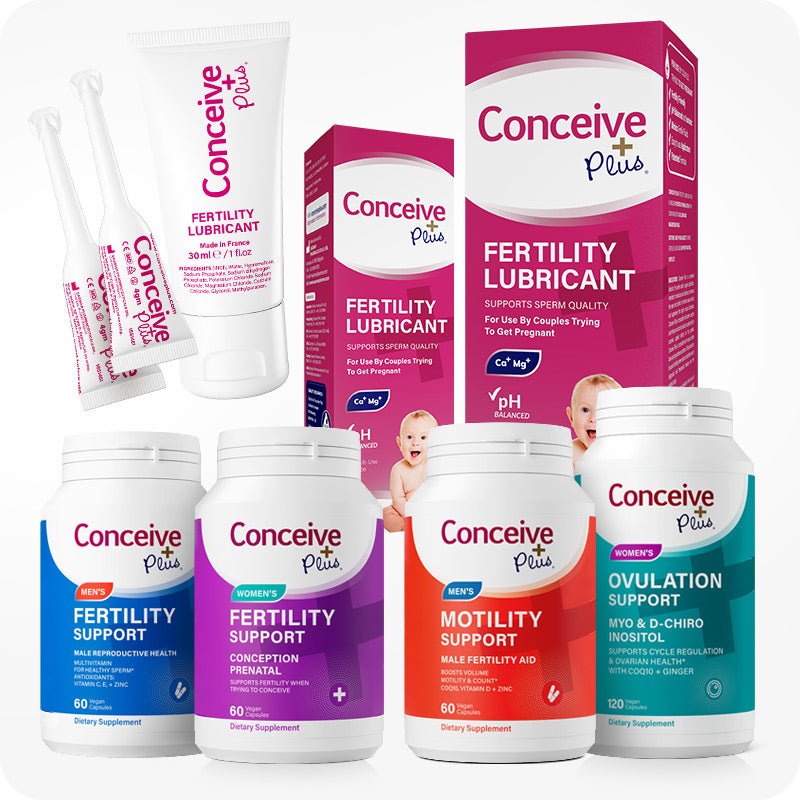
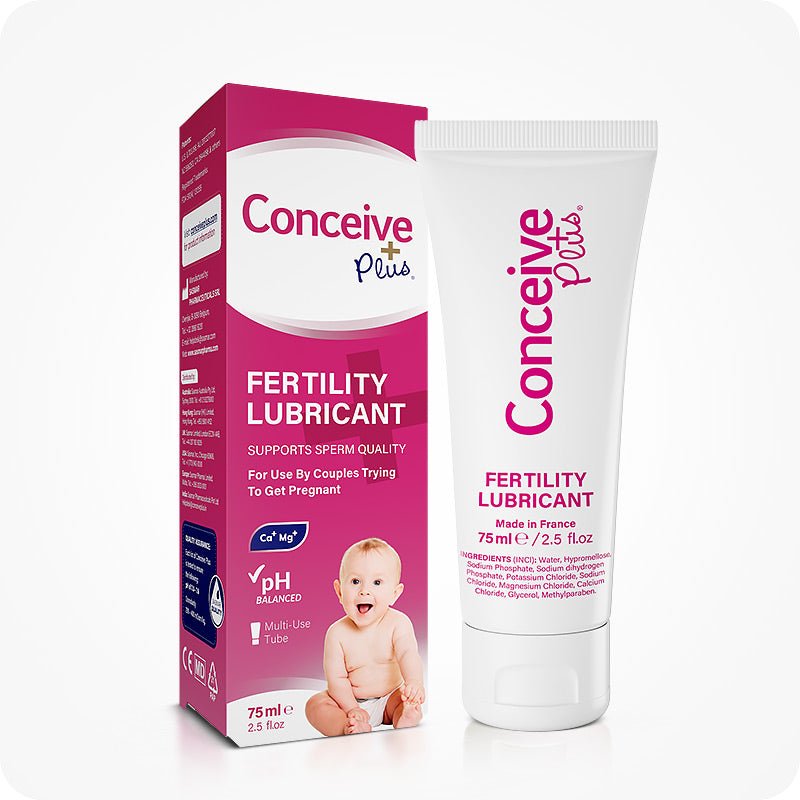
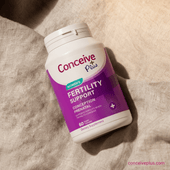
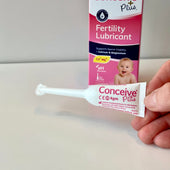
Using fertility-friendly products, such as Conceive Plus Fertility Lubricant, which includes magnesium and calcium ions to support sperm motility and survival, can be beneficial for couples monitoring cervical mucus changes to optimize their chances of conception.
What Does Discharge Look Like Before Period?
Before your period, your discharge may change in consistency and color. It might become thicker, creamier, or even slightly sticky. Some women notice discharge like egg white a few days before their period, which can be confusing, but this is usually a normal variation. Understanding the differences in cervical mucus, such as in cases of discharge before period vs early pregnancy, can help identify subtle signs of early pregnancy or hormonal changes in your cycle.
How to Track Your Discharge
If you're interested in understanding your cycle better, consider keeping track of your discharge throughout the month. You can note the color, consistency, and amount of discharge you experience each day. Over time, you’ll likely notice patterns that correlate with different phases of your menstrual cycle.
When to Seek Medical Advice
While most types of vaginal discharge are entirely normal, there are times when it's a good idea to consult with a healthcare provider. If you notice any of the following, it might be time to seek medical advice:
- A sudden change in the color or smell of your discharge
- Discharge accompanied by pain, itching, or burning
- Discharge that is consistently yellow, green, or gray
-
Unusually heavy discharge that lasts more than a few days

FAQs About Clear Jelly Discharge
1. Is clear jelly discharge a sign of pregnancy?
Clear jelly discharge can occur during early pregnancy. But it is not a definitive sign. You should take a pregnancy test if you think you might be pregnant.
2. Can clear jelly discharge indicate an infection?
A clearish jelly like discharge is typically normal. But if it has a foul odor or is accompanied by itching or discomfort, it could be a sign of an infection.
3. How long after egg white cervical mucus do you ovulate?
Ovulation usually occurs in 24 to 48 hours after noticing egg white cervical mucus.
4. What does clear jelly discharge mean after ovulation?
If your discharge is jelly like after ovulation, it shows that your body is still producing fertile mucus. And it could also be a sign of an upcoming period.
5. Why is my discharge like jelly?
Clear discharge jelly like is often a result of hormonal changes during your menstrual cycle, especially around ovulation. It’s a sign of healthy cervical mucus.
Resources
- Jayne Leonard, Shilpa Amin, M.D., CAQ, FAAFP, Family Medicine, Women's Health, Geriatrics, Integrative Medicine, Clinical Research, Jurisprudence. What do different colors of discharge mean in pregnancy? (January, 19, 2024) Available online: https://www.medicalnewstoday.com/articles/323433
- Prasad D, Parween S, Kumari K, Singh N. Prevalence, Etiology, and Associated Symptoms of Vaginal Discharge During Pregnancy in Women Seen in a Tertiary Care Hospital in Bihar. Cureus. 2021 Jan 14;13(1):e12700. https://www.ncbi.nlm.nih.gov/pmc/articles/PMC7883588/
- Elizabeth Pratt, Alexandra Dubinskaya, MD. VeryWellHealth. What Causes Clear Discharge?(April 22, 2024). Available online: https://www.verywellhealth.com/clear-sticky-discharge-causes-and-when-to-get-treatment-5207001
- NHS UK. Vaginal Discharge in Pregnancy.(17 April 2024). Available online: https://www.nhs.uk/pregnancy/related-conditions/common-symptoms/vaginal-discharge
- Zawn Villines, Priya Patel, MD. MedicalNewsToday. What cervical mucus looks like if you are pregnant?(June 25, 2024). Available online: https://www.medicalnewstoday.com/articles/cervical-mucus-after-ovulation-if-pregnant
🌱 Get Answers Early
Millions of women trust Conceive Plus for their fertility journey. Clinically validated pregnancy tests delivered to your door.
Shop Pregnancy Tests →Frequently Asked Questions
Recommended by Fertility Experts
Conceive Plus Men's Fertility Support
Designed to support healthy sperm production, motility, and overall male reproductive health with clinically studied nutrients.
Shop Now →Q: Is clear jelly discharge a sign of ovulation?
A: Yes, clear jelly discharge is one of the most reliable signs of ovulation. This type of cervical mucus, often called fertile mucus or egg white cervical mucus (EWCM), typically appears 2-3 days before ovulation and continues through the day of ovulation. According to the American Society for Reproductive Medicine (ASRM), tracking cervical mucus changes is a validated fertility awareness method with effectiveness rates comparable to other natural family planning techniques. The stretchy, clear consistency allows sperm to survive longer and swim more efficiently through the cervix toward the egg.
Q: How long does clear jelly discharge last during your cycle?
A: Clear jelly discharge typically appears for 3-5 days during your menstrual cycle, with peak fertility occurring 1-2 days before ovulation. The duration varies among individuals—some women may experience it for just 2-3 days, while others notice it for up to a week. After ovulation occurs, progesterone levels rise and the cervical mucus becomes thicker and less stretchy within 24 hours. If you're trying to conceive, timing intercourse during the days when you notice this clear, stretchy discharge increases your chances of pregnancy, as studies show the fertile window spans approximately five days before and one day after ovulation.
Q: Can you get pregnant from clear jelly discharge without sperm?
A: No, clear jelly discharge alone cannot result in pregnancy—sperm is necessary to fertilize an egg. Clear jelly discharge is cervical mucus that creates an optimal environment for sperm survival and transport, but it contains no genetic material needed for conception. The discharge is your body's way of signaling that ovulation is approaching and fertility is high, making it an ideal time for intercourse if you're trying to conceive. Think of it as your body preparing the ideal conditions for conception, but the actual fertilization requires both an egg and sperm to meet.
Q: Is clear jelly discharge normal and when should I be concerned?
A: Clear jelly discharge is completely normal and a healthy part of your menstrual cycle for most women. However, you should consult a healthcare provider if the discharge has a strong odor, appears greenish or yellowish, is accompanied by itching or burning, or occurs outside your normal ovulation window, as these may indicate an infection. According to the CDC, conditions like bacterial vaginosis or yeast infections affect approximately 30% of women at some point and require medical attention. Normal ovulation-related discharge should be odorless or have a mild scent, and should not cause discomfort—if yours does, it's worth discussing with your gynecologist.
Q: How can I track clear jelly discharge to improve my chances of getting pregnant?
A: You can track clear jelly discharge by checking your cervical mucus daily, typically after using the bathroom or wiping, and noting changes in texture and appearance. Most fertility experts recommend keeping a simple chart or using a fertility tracking app to record when you notice the clear, stretchy mucus that indicates your fertile window. Combining cervical mucus tracking with other fertility markers like basal body temperature and cycle length creates a comprehensive fertility awareness approach endorsed by the ASRM. Additionally, maintaining overall reproductive health through proper nutrition, hydration, and supplementation with prenatal vitamins and fertility-supporting supplements like Conceive Plus can optimize your conception chances during this critical fertile window.
Trusted by Couples in Over 70 Countries
Support Male Fertility From the Inside Out
Male fertility is just as important as female fertility in the conception journey. Conceive Plus Men's range delivers targeted nutritional support to promote healthy sperm and overall reproductive wellbeing.
Shop Men's Range →