How to Recognize and Address the Causes of Secondary Infertility?


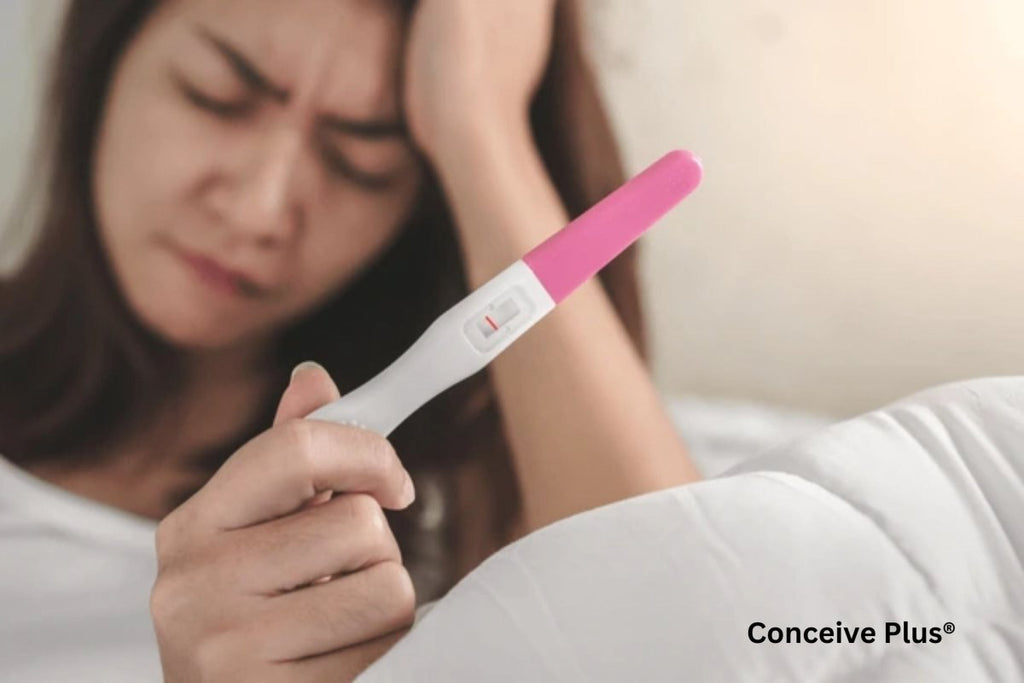
Trying to have another baby and it's just not happening? You’re not alone. Secondary infertility can be a surprising and frustrating experience for many couples. It’s when you’re having trouble getting pregnant or carrying a pregnancy to term after already having one or more children. This can happen to both men and women, and understanding the different causes of secondary infertility can help you figure out what’s going on and what steps you can take next.

What Exactly is Secondary Infertility?
So, you've had a baby before, and now you're trying again, but things aren't going as smoothly as expected. That's what we call secondary infertility. It’s when a couple struggles to conceive or keep a pregnancy after already having one child naturally. This situation can be just as stressful and confusing as primary infertility. The good news? Knowing what might be causing it can help guide your next steps [1].
Top Tip: If you’ve been trying for six months to a year with no luck, consider talking to a doctor to explore your options.
What Could Be the Causes of Secondary Infertility?
Age: A Big Factor
Let's get real—age matters. One of the main causes of secondary infertility is simply getting older. For women, fertility declines significantly after 35 [2]. Men aren’t exempt from this either; sperm quality and quantity can decrease with age too.
Advice: If you’re over 35 and have been trying for six months without success, it's probably time to see a specialist.
Hormonal Imbalances
Hormonal imbalances can play a huge role in secondary infertility causes. Conditions like polycystic ovary syndrome (PCOS) or thyroid problems can mess with ovulation in women or affect sperm production in men. These issues can sneak up on you, even if things were fine the first time around [3].
Top Tip: Regularly checking your hormone levels can help catch any imbalances early and keep your fertility on track.
Physical Issues or Past Surgeries
Sometimes, the problem isn’t about age or hormones; it’s physical. Scarring from surgeries, infections, or conditions like endometriosis can block the fallopian tubes or affect the uterus, making it harder for women to conceive [4]. Men can also face physical issues like varicocele (enlarged veins in the scrotum) which affects sperm quality.
Top Tip: Don’t overlook regular health checks; early detection of physical issues can lead to quicker and more effective treatment.
If you're interested in understanding the difference between sterility and infertility, this article provides valuable insights into how they differ and what they mean for your fertility journey.

✨ Support Healthy Sperm
Our Motility Support supplement contains Zinc, CoQ10, and L-Carnitine — clinically studied nutrients for sperm health and motility.
Shop Now — $34.95✓ Free shipping on orders over $40 | ✓ Trusted by millions of couples worldwide

Getting Diagnosed for Secondary Infertility
If you suspect secondary infertility, it’s essential to see a healthcare provider. They'll likely run a few tests—like blood tests to check hormone levels, a semen analysis for men, and ultrasounds or other imaging studies to see if there are any structural issues [5].
Real Talk: Don’t put off getting checked out. The sooner you know what’s up, the sooner you can take steps to fix it.
What Are the Treatment Options?
If you’re dealing with secondary infertility, there are several ways to approach treatment depending on the underlying cause:
- Fertility Medications: These can help stimulate ovulation in women and improve sperm quality in men.
- Assisted Reproductive Techniques (ART): Procedures like Intrauterine Insemination (IUI) or In Vitro Fertilization (IVF) can increase your chances.
- Surgery: If there are structural problems, such as blockages or fibroids, surgery might be necessary to clear things up.
Top Tip: A healthy lifestyle combined with the right medical treatments can make a big difference in your chances of success.
If you're unsure about whether you're experiencing signs of infertility, this guide will help you identify common symptoms that could indicate a fertility issue.

Final Thoughts
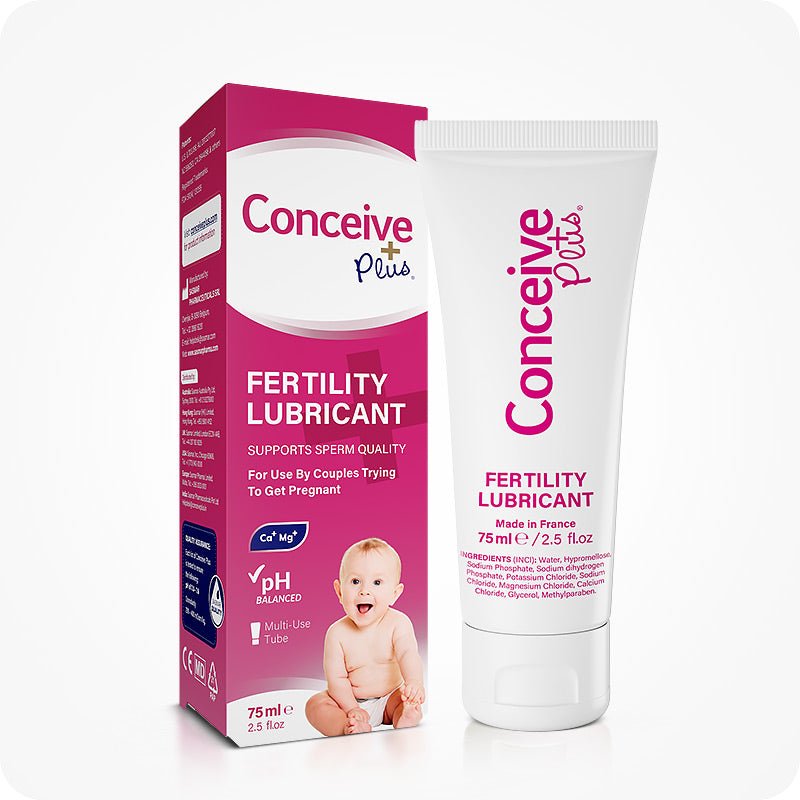
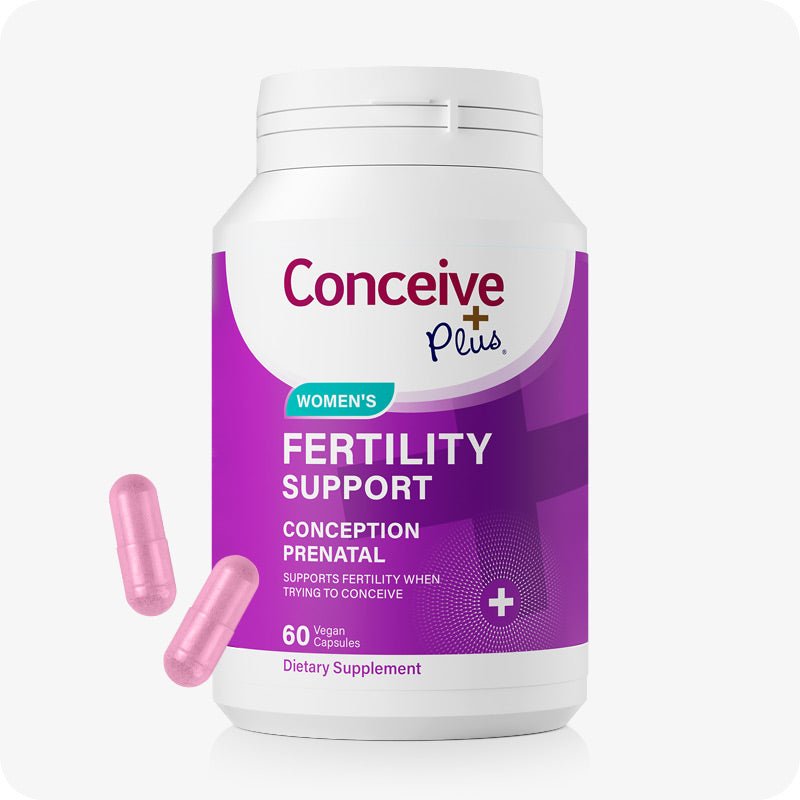
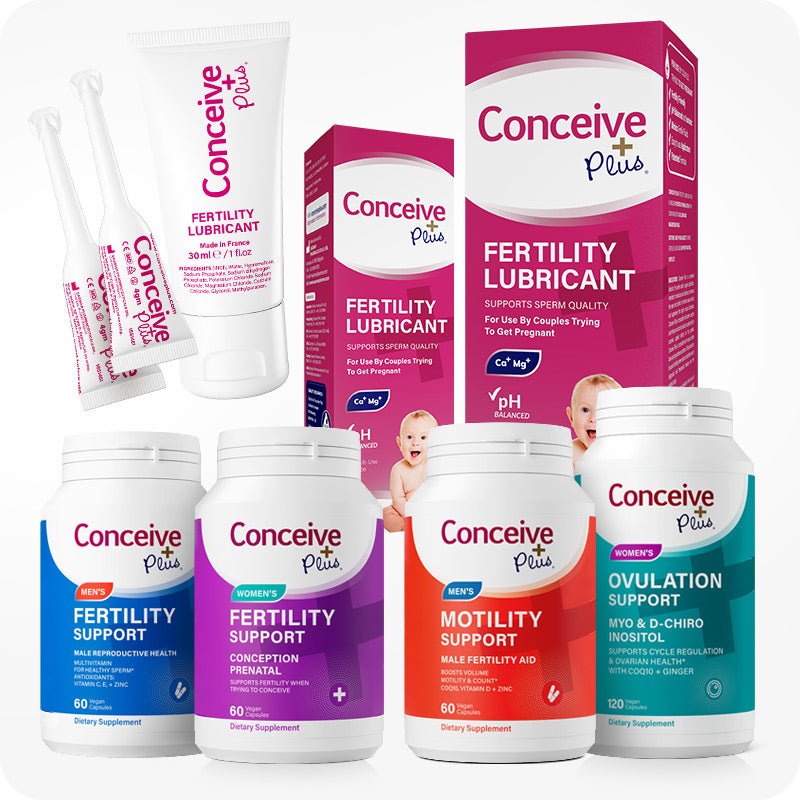
Understanding the causes of secondary infertility is a crucial step for any couple trying to conceive again. By recognizing these factors and taking proactive measures—whether that's seeing a doctor, making lifestyle changes, or exploring fertility support products—you can increase your chances of expanding your family. Conceive Plus offers a range of products to support fertility, giving you an extra boost on your journey.
FAQs
What is secondary infertility, and who does it affect?
Secondary infertility is when a couple cannot conceive or carry a pregnancy to term after already having one or more children. It affects both men and women and can result from various factors like age, lifestyle changes, or medical issues.
Can men experience secondary infertility?
Yes, men can also face secondary infertility due to reduced sperm count, poor sperm motility, hormonal imbalances, or lifestyle changes such as weight gain or smoking.
How does lifestyle impact secondary infertility?
Lifestyle factors like smoking, drinking, poor diet, and excess weight can negatively affect fertility in both men and women. Making healthier choices can improve your chances of conception.
When should we seek help for secondary infertility?
If you’re under 35 and have been trying to conceive for a year, or over 35 and trying for six months, it’s time to consult a specialist for guidance.
Citations
- Gnoth C, Godehardt E, Frank-Herrmann P, Friol K, Tigges J, Freundl G. Definition and prevalence of subfertility and infertility. Hum Reprod. Availability at: https://pubmed.ncbi.nlm.nih.gov/15802321/
- te Velde ER, Pearson PL. The variability of female reproductive ageing. Hum Reprod Update. Available at: https://pubmed.ncbi.nlm.nih.gov/12099629/
- Witchel SF, Oberfield SE, Peña AS. Polycystic Ovary Syndrome: Pathophysiology, Presentation, and Treatment With Emphasis on Adolescent Girls. J Endocr Soc. Available at: https://www.ncbi.nlm.nih.gov/pmc/articles/PMC6676075/
- D'Hooghe TM, Debrock S, Hill JA, Meuleman C. Endometriosis and subfertility: is the relationship resolved? Semin Reprod Med. Available at: https://pubmed.ncbi.nlm.nih.gov/12917793/
- Practice Committee of the American Society for Reproductive Medicine. Diagnostic evaluation of the infertile female: a committee opinion. Fertil Steril. Available at: https://pubmed.ncbi.nlm.nih.gov/25936238/
🌱 Boost Male Fertility Naturally
Conceive Plus Men's Motility Support is formulated with the nutrients that matter most for sperm quality, count, and motility.
Shop Men's Fertility →Frequently Asked Questions
Recommended by Fertility Experts
Conceive Plus Men's Fertility Support
Designed to support healthy sperm production, motility, and overall male reproductive health with clinically studied nutrients.
Shop Now →Q: What percentage of couples experience secondary infertility?
A: According to the American Society for Reproductive Medicine (ASRM), approximately 12% of women aged 15-44 in the United States have difficulty getting pregnant or carrying a pregnancy to term, and secondary infertility accounts for a significant portion of these cases. Research shows that about 40-50% of all infertility cases in the US involve couples who have already had at least one child. Secondary infertility can be just as emotionally challenging as primary infertility, even though you've successfully conceived before, because the causes may be entirely different the second time around.
Q: What are the most common causes of secondary infertility in women?
A: The most common causes of secondary infertility in women include age-related decline in egg quality, uterine problems like fibroids or adhesions from previous pregnancies or surgeries, hormonal imbalances, endometriosis, and pelvic inflammatory disease. Additionally, changes in ovulation patterns, thyroid disorders, and complications from a previous pregnancy or delivery can impact fertility. Lifestyle factors such as weight changes, increased stress, or reduced overall health can also play a role, which is why maintaining proper nutrition and using supplements like Conceive Plus—which contains vitamins and minerals designed to support reproductive health—may be beneficial alongside medical evaluation.
Q: Why am I having trouble getting pregnant the second time if I got pregnant easily before?
A: Your reproductive health may have changed significantly since your first pregnancy; factors like age (especially if several years have passed), accumulated health conditions, surgical procedures, or hormonal shifts can all affect fertility the second time around. Male factor infertility may also emerge or worsen over time, affecting approximately 40-50% of infertility cases overall according to ASRM guidelines. Environmental factors, medication changes, weight fluctuations, or increased stress can also contribute to secondary infertility despite previous successful conception.
Q: Should I see a fertility specialist for secondary infertility?
A: Yes, it's recommended that couples experiencing secondary infertility consult with a reproductive endocrinologist or fertility specialist, particularly if you've been trying to conceive for 12 months or more (or 6 months if the woman is over 35). A specialist can perform appropriate testing and diagnostic procedures to identify the specific cause of infertility in your situation. The ASRM recommends that both partners be evaluated, as causes may involve female factors, male factors, or a combination of both, allowing for a more targeted treatment approach.
Q: What role can supplements play in addressing secondary infertility?
A: While supplements cannot treat underlying medical conditions like endometriosis or blocked fallopian tubes, they can support overall reproductive health when used as part of a comprehensive fertility plan. Conceive Plus and similar fertility supplements contain clinically studied vitamins, minerals, and antioxidants—such as CoQ10, folate, and zinc—that support egg and sperm quality, hormone balance, and general fertility function. Always discuss any supplements with your fertility specialist before starting, as they should complement medical treatment rather than replace it, and ensure you're addressing any diagnosed fertility issues with appropriate clinical care.
Trusted by Couples in Over 70 Countries
Support Male Fertility From the Inside Out
Male fertility is just as important as female fertility in the conception journey. Conceive Plus Men's range delivers targeted nutritional support to promote healthy sperm and overall reproductive wellbeing.
Shop Men's Range →