Best Prenatal Vitamins with Methylfolate: Nurturing Vitality From the Very Beginning


Many expecting parents look for the best prenatal vitamins with methylfolate because they understand how crucial proper nourishment is for both maternal and fetal health. As an expectant mother, you might be aware of the importance of folate in pregnancy, but you may not realize how significant it is to choose the right prenatal formula. This comprehensive guide will highlight the reasons behind selecting vitamins containing methylfolate, address the benefits and potential pitfalls of different supplement types, and help you identify key considerations when searching for the ideal product. By the end of this article, you will feel empowered and well-informed about the many options available, from iron considerations to the specifics of certain nutrients, ensuring you make the best decisions for yourself and your baby.

Understanding Methylfolate in Prenatal Vitamins
Folate is a B-vitamin that plays a vital role in cell division, blood formation, and tissue growth. During pregnancy, the need for folate increases significantly because it helps support proper neural tube development in the fetus. This is why prenatal vitamins often contain either folic acid or methylfolate, and some are marketed as methylfolate prenatal supplements. Methylfolate is the biologically active form of folate, meaning it is more readily absorbed and utilized by the body, especially for individuals who have difficulty processing synthetic folic acid [1].
When you come across prenatal vitamins with methylfolate, you can rest assured that your body may more efficiently convert and use this nutrient, helping reduce certain risks related to folate deficiency. Consequently, many healthcare professionals recommend considering methylated prenatal vitamins if you want optimal utilization of this critical component. Although some prenatal formulas still rely on standard folic acid, an increasing number of health-conscious consumers now seek pregnancy vitamins without folic acid in its synthetic form, turning to methylated folate prenatal products instead.
Key Nutrients and Their Role in Pregnancy
A prenatal balance supplement typically contains multiple micronutrients designed to support the health of both mother and baby. While folate (or methylfolate) is at the forefront, additional components can be equally essential:
- Iron: Iron supports red blood cell production and helps prevent anemia, a condition marked by fatigue and weakness. However, some pregnant individuals may experience gastrointestinal discomfort when taking iron supplements. This has led to a growing demand for prenatal vitamins with low iron, prenatal vitamins with less iron, or even completely iron free prenatal options [2].
- Vitamin A: While vitamin A is critical for vision, immune function, and fetal organ development, there can be concerns regarding excessive intake. Thus, certain brands now offer prenatal vitamins without vitamin a or carefully manage the dosage [3].
-
DHA: Omega-3 fatty acids, particularly DHA, are beneficial for fetal brain and eye development. Some prenatal vitamins specifically emphasize a prenatal with methylfolate and dha to provide both nutrients in one convenient supplement.
-
Other Essential Nutrients: Vitamins B12, C, D, E, and minerals like calcium, magnesium, zinc, and iodine all play supportive roles during pregnancy. Look for an all-encompassing prenatal formula that addresses these nutritional requirements.
The Appeal of Methylated Folate Prenatal Supplements
Choosing a prenatal with methylated folate has several potential advantages over standard folic acid varieties. In addition to improved absorption and utilization, a methylated prenatal supplement may be particularly helpful for expectant mothers with specific genetic variants that hinder folic acid metabolism. For these individuals, a prenatal with methylfolate can offer more straightforward processing, ensuring that developing babies receive the nutrients they need to thrive.
Because many individuals seek all natural prenatal vitamins, a focus on methylfolate is often part of a broader desire to avoid synthetic or highly processed ingredients. Some mothers will even prioritize soy free prenatal vitamins for various personal or health-related reasons. In the quest for the best prenatal vitamins with methylated folate, you might also encounter products touting organic or minimally refined components designed to deliver purer nutrition during pregnancy [4].

Iron Considerations in Prenatal Formulas
Although iron is essential for pregnant individuals, not every mother-to-be tolerates it well. Some experience digestive upset, while others prefer to manage iron intake separately. This is why certain companies create prenatal vitamins without iron or prenatal without iron formulations. Women who experience discomfort or have a particular dietary requirement might choose a prenatal vitamins no iron product to see if separating iron from their multi-nutrient supplement improves tolerability.
Moreover, some people prefer to get their iron through specific dietary changes, while still taking a best prenatal without iron if their healthcare provider deems it appropriate. It’s also common for those with a predisposition to higher iron stores or certain health conditions to look for prenatal vitamins with less iron. As always, consulting with a medical professional is the safest course of action when considering adjusting or removing specific nutrients from your regimen [5].

✨ Start Your Prenatal Care Today
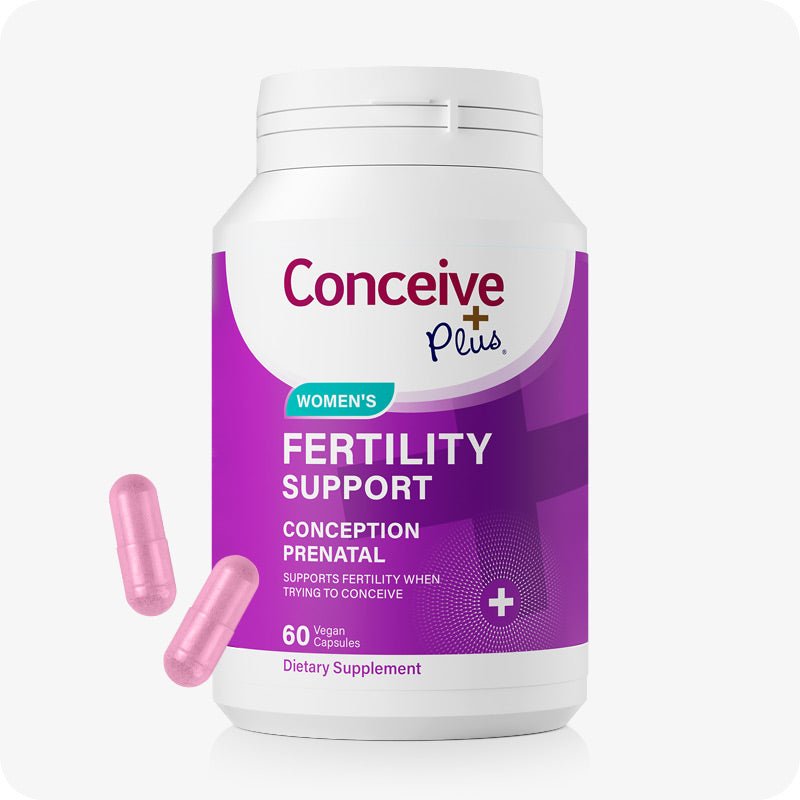
Our Prenatal Vitamins with DHA, Choline & Folate provide the essential nutrients you and your baby need for a healthy start.
Shop Now — $34.95✓ Free shipping on orders over $40 | ✓ Trusted by millions of couples worldwide
Spotlight on Brands and Options
When exploring different supplement options, you might encounter varying brand reputations and ingredient focuses. For instance, mama bird prenatal is a name that often appears in discussions about high-quality, all natural prenatal vitamins. Others might search for best natural prenatal choices that specifically highlight their methylated folate prenatal status. The concept of a prenatal formula with minimal additives resonates with many expectant mothers looking for the best prenatal vitamins without iron, if that suits their particular circumstances.
Another factor to consider is product certifications or specialized labels such as soy free prenatal vitamins.Such markers can guide your selection process if you have dietary restrictions or allergies. Meanwhile, you may encounter items categorized under prenatal vitamins without vitamin a, which reflects a mindful approach to balancing essential nutrients without oversupplying specific vitamins. Reading product labels carefully, checking recommended dosages, and ensuring the brand’s trustworthiness are all essential steps toward finding what you personally deem the best prenatal vitamins with methylfolate for your situation.
Prenatal Vitamins Without Folic Acid vs. Methylfolate Prenatals
The growing popularity of pregnancy vitamins without folic acid arises from legitimate health considerations, as not everyone metabolizes synthetic folic acid effectively. However, removing folic acid entirely without replacing it with methylfolate can leave a gap in nutritional support. Methylated prenatal vitamins bridge this gap by ensuring you receive the necessary level of active folate.
When considering a prenatal with methylfolate, scrutinize the actual forms and dosages of the nutrients listed on the label. Some companies may use partial or lower amounts of methylfolate combined with standard folic acid, so it’s wise to look for prenatal vitamins with methylated folate or methylfolate prenatal specifically stated. This ensures you obtain the targeted benefits associated with enhanced folate absorption [6].

Tailoring Your Prenatal Routine
Selecting the best prenatal with methylfolate ultimately depends on factors unique to you. Your lifestyle, dietary patterns, genetic background, and any medical conditions all influence which supplement would be most beneficial. If you find yourself unable to tolerate the iron content, it might be prudent to choose prenatal vitamins with low iron or best prenatal vitamins without iron, then meet your iron needs separately under medical guidance.
Alternatively, if you aim to align with an “all natural” approach, you may explore a best natural prenatal brand that highlights minimal processing, no synthetic dyes, and carefully sourced ingredients. If you follow a vegetarian or vegan diet, look for a comprehensive prenatal formula that supports the necessary nutrient intake. Meanwhile, a soy free prenatal vitamins label might be key for anyone with allergies or sensitivities.
Additional Factors to Keep in Mind
-
Bioavailability: Methylated folate prenatal options are often favored for their superior bioavailability. Ensuring each nutrient in your supplement is easily absorbed helps maximize its benefits.
-
Quality and Purity: Seek transparency in ingredient sourcing. High-quality ingredients reduce the risk of contaminants that can undermine the value of your prenatal.
-
Regulatory Standards: While many supplements exist on the market, it’s essential to select a brand that follows good manufacturing practices (GMP) to help ensure both safety and efficacy.
-
Proper Dosage: Even the best prenatal vitamins with methylfolate will only be helpful if you follow correct dosing instructions. Consult with your healthcare provider to confirm you’re meeting, but not exceeding, the recommended amounts.
-
Individual Tolerances: Every body is different, and certain formulations may cause side effects in some individuals. Keep open communication with your medical professional regarding any adverse reactions or concerns.
Tips for Identifying Your Ideal Prenatal Vitamin
-
Read Labels Thoroughly: Confirm whether the product is a prenatal with methylfolate, or if it primarily uses folic acid. Determine if any portion of the folate content is synthetic or partially methylated.
-
Check Iron Levels: Decide if you need a prenatal formula with standard levels of iron, prenatal vitamins with less iron, or even an iron free prenatal. Get input from a healthcare provider about your specific iron needs.
-
Consider Vitamin A: Some products may list high levels of preformed vitamin A, leading certain mothers to pick prenatal vitamins without vitamin a if they fear excessive intake.
-
Ensure DHA: Not all prenatal supplements have built-in DHA. If your diet lacks fatty fish or other DHA sources, you may lean toward a prenatal with methylfolate and dha or consider a separate omega-3 supplement.
-
Prioritize Quality Over Cost: While budget matters, quality is paramount. Inexpensive products may cut corners by including lower-grade or synthetic ingredients, and you deserve the best prenatal with methylfolate.
-
Consult Medical Guidance: Always let a qualified health professional guide your decisions, especially if you have medical conditions that might dictate a specialized prenatal approach.
Common Misconceptions
A few misconceptions linger regarding prenatal vitamins. For instance, some believe that all brands are essentially identical, but variations in quality and ingredient forms are significant. Likewise, certain expecting mothers assume they must take high-iron prenatal vitamins, even if they are prone to gastrointestinal distress. However, prenatal without iron versions may be equally suitable for certain individuals, provided they supplement iron separately when needed.
Another misconception is that if a prenatal brand is labeled “natural,” it automatically contains no synthetic vitamins. This can be misleading. Scrutinize the types of nutrients included and verify whether it aligns with your personal definition of “all natural prenatal vitamins.” Some mothers might prefer pregnancy vitamins without folic acid in synthetic form, opting for a 100% methylated folate prenatal formula [7].
Evaluating Your Diet and Lifestyle
It’s essential to recognize that prenatal supplements are intended to fill nutritional gaps rather than replace a healthy diet. Balance is key. Focus on nutritious whole foods, including fruits, vegetables, whole grains, lean protein, and healthy fats. Adequate hydration, regular exercise, and sufficient rest also support maternal health.
For those dealing with specific dietary limitations or allergies, it may be prudent to seek specialized prenatal products like soy free prenatal vitamins. If you’re vegetarian, vegan, or allergic to certain food groups, discuss potential nutrient shortfalls with your healthcare provider. This holistic approach can help you optimize your well-being and that of your growing baby.
The Bottom Line
Expectant mothers often gravitate toward the best prenatal vitamins with methylfolate as soon as they learn how integral active folate is for a healthy pregnancy. Methylfolate ensures that even those with metabolic or genetic variances can absorb and utilize this vital B-vitamin. Whether you opt for mama bird prenatal, explore different brands of methylated folate prenatal options, or choose all natural prenatal vitamins that align with your lifestyle, the ultimate goal is safeguarding both your well-being and your baby’s development. By paying attention to iron content, potential allergens, and overall ingredient quality, you can find prenatal vitamins with methylfolate and other nutrients that best fit your needs. Remember to consult your healthcare provider, review labels carefully, and maintain a balanced diet, all of which work together to create an optimal environment for your baby to flourish.
References
- Greenberg JA, Bell SJ. Multivitamin Supplementation During Pregnancy: Emphasis on Folic Acid and l-Methylfolate. Rev Obstet Gynecol. 2011;4(3-4):126-7. PMID: 22229066; PMCID: PMC3250974.
- Institute of Medicine (US) Committee on Nutritional Status During Pregnancy and Lactation. Nutrition During Pregnancy: Part I Weight Gain: Part II Nutrient Supplements. Washington (DC): National Academies Press (US); 1990. 14, Iron Nutrition During Pregnancy. Available from: https://www.ncbi.nlm.nih.gov/books/NBK235217/
- Bastos Maia S, Rolland Souza AS, Costa Caminha MF, Lins da Silva S, Callou Cruz RSBL, Carvalho Dos Santos C, Batista Filho M. Vitamin A and Pregnancy: A Narrative Review. Nutrients. 2019 Mar 22;11(3):681. doi: 10.3390/nu11030681. PMID: 30909386; PMCID: PMC6470929.
- Freeman MP, Savella GM, Church TR, Góez-Mogollón L, Sosinsky AZ, Noe OB, Kaimal A, Cohen LS. A prenatal supplement with methylfolate for the treatment and prevention of depression in women trying to conceive and during pregnancy. Ann Clin Psychiatry. 2019 Feb;31(1):4-16. PMID: 30699214.
- Díaz-Torres S, Díaz-López A, Arija V. Effect of Prenatal Iron Supplementation Adapted to Hemoglobin Levels in Early Pregnancy on Fetal and Neonatal Growth-ECLIPSES Study. Nutrients. 2024 Feb 1;16(3):437. doi: 10.3390/nu16030437. PMID: 38337721; PMCID: PMC10857398.
- Carboni L. Active Folate Versus Folic Acid: The Role of 5-MTHF (Methylfolate) in Human Health. Integr Med (Encinitas). 2022 Jul;21(3):36-41. PMID: 35999905; PMCID: PMC9380836.
- Ahmad N, Nor SFS, Daud F. Understanding Myths in Pregnancy and Childbirth and the Potential Adverse Consequences: A Systematic Review. Malays J Med Sci. 2019 Jul;26(4):17-27. doi: 10.21315/mjms2019.26.4.3. Epub 2019 Aug 29. PMID: 31496890; PMCID: PMC6719884.
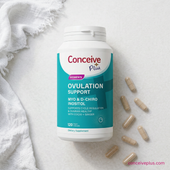
🌱 Everything You and Baby Need
Conceive Plus Prenatal Vitamins are formulated with DHA for brain development and Folate for neural tube protection.
Shop Prenatal Vitamins →Frequently Asked Questions
Recommended by Fertility Experts
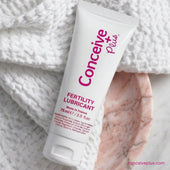
Conceive Plus Fertility Lubricant
Specially formulated to be sperm-friendly and isotonic, supporting your natural conception journey without disrupting the reproductive environment.
Shop Now →Q: Is methylfolate better than folic acid for pregnancy?
A: Methylfolate (5-methyltetrahydrofolate) is the active, bioavailable form of folate that your body can use immediately, while folic acid is a synthetic compound that must be converted by your liver into methylfolate through a process called methylation. For many women, particularly those with MTHFR gene variations (affecting approximately 30-40% of the population), methylfolate may be more effective because it bypasses the conversion step entirely. The American College of Obstetricians and Gynecologists (ACOG) recommends 400-800 micrograms of folate daily during pregnancy to reduce neural tube defect risk by up to 70%, and methylfolate supplements can help ensure optimal absorption. Both forms are considered safe and effective when sourced from reputable manufacturers, though methylfolate may offer superior bioavailability for women with methylation challenges. Conceive Plus prenatal formulations include methylfolate specifically to maximize nutrient utilization during the preconception and pregnancy periods.
Q: Is methylfolate good for pregnancy?
A: Yes, methylfolate is beneficial for pregnancy because it supports crucial fetal development, particularly in preventing neural tube defects and supporting DNA synthesis during rapid cell division. Methylfolate plays an essential role in the one-carbon metabolism cycle, which is critical for proper fetal brain and spinal cord development during the first trimester. Research indicates that adequate folate intake reduces neural tube defect risk by approximately 50-70%, with methylfolate offering enhanced absorption compared to synthetic alternatives. For women planning to conceive, methylfolate supplementation should ideally begin at least one month before conception, as this nutrient is vital before many women even realize they're pregnant. Including a high-quality prenatal supplement containing methylfolate, such as those formulated by Conceive Plus, ensures you're providing your developing baby with the most bioavailable form of this critical nutrient from the very beginning.
Q: What's the difference between methylfolate and folic acid supplements?
A: The primary difference lies in their chemical structure and how your body processes them: folic acid is a synthetic compound that requires hepatic (liver) conversion to become active methylfolate, while methylfolate is already in its active, usable form. Studies show that some women have genetic variations in the MTHFR enzyme that limit their ability to efficiently convert folic acid to methylfolate, making methylfolate a more reliable option for consistent nutrient delivery. Folic acid has been used in prenatal supplements for decades and is effective for many women, but methylfolate provides direct bioavailability, meaning your body can utilize it immediately without relying on conversion processes. The FDA recognizes both forms as safe for pregnancy use, though methylfolate is increasingly preferred in advanced prenatal formulations because it bypasses individual metabolic variations. When selecting a prenatal vitamin, checking the ingredient label for "methylfolate" or "5-MTHF" versus "folic acid" can help you determine which form you're receiving.
Q: Do I need to take methylfolate if I eat folate-rich foods?
A: While consuming folate-rich foods like leafy greens, legumes, and asparagus is beneficial, dietary folate alone is typically insufficient to meet pregnancy requirements, which are nearly double pre-pregnancy levels at 600-800 micrograms daily. Food folate (also called natural folate) is less stable during cooking and storage, meaning you may absorb only 50% of the folate present in your meals, whereas supplements provide standardized, bioavailable doses. The CDC and ACOG both recommend that all women of childbearing age take a prenatal vitamin with 400 micrograms of folate in addition to eating folate-rich foods to achieve optimal levels for fetal development. For women with MTHFR gene variations or absorption issues, supplementation becomes even more critical since dietary sources alone cannot guarantee sufficient methylfolate availability. A comprehensive prenatal supplement like Conceive Plus, combined with a folate-rich diet, provides the dual approach most fertility specialists recommend for optimal maternal and fetal health.
Q: When should I start taking methylfolate prenatal vitamins?
A: Ideally, you should begin taking a methylfolate prenatal vitamin at least one month—and preferably three months—before attempting conception, as the neural tube (which becomes the brain and spinal cord) develops during the first 28 days of pregnancy when many women don't yet know they're pregnant. The CDC and ACOG recommend that all women of childbearing age capable of becoming pregnant take 400 micrograms of folate daily, whether or not they're actively trying to conceive. This preconception supplementation period is crucial because it ensures adequate folate stores are built up in your system before pregnancy begins, maximizing protection during critical early development stages. Women with a history of neural tube defects or those taking certain medications may need to start methylfolate supplementation even earlier and at higher doses under medical guidance. Starting a quality prenatal formula like Conceive Plus before conception gives you the best chance of maintaining optimal folate levels throughout the preconception, conception, and pregnancy phases.
Trusted by Couples in Over 70 Countries
Start Your Fertility Journey With the Right Support
Conceive Plus Fertility Lubricant is specially formulated to be compatible with sperm, eggs, and embryos. Whether you are just starting out or have been trying for a while, our products are designed to work with your body — not against it.
Explore Fertility Lubricant →