Best Fertility Supplements in 2026: A Complete Guide for Couples Trying to Conceive


Best Fertility Supplements in 2026: A Complete Guide for Couples Trying to Conceive
If you're trying to conceive, you've likely come across a dizzying array of fertility supplements—from CoQ10 and folate to maca root and omega-3s. The fertility supplement market in the United States has grown dramatically, with Americans spending over $500 million annually on products designed to support reproductive health. But which supplements actually work, which are backed by science, and how do you choose the right ones for your specific needs?
This comprehensive guide breaks down the most important fertility supplements for 2026, drawing on the latest clinical research and expert recommendations to help you make informed decisions. Whether you're just beginning your conception journey or have been trying for several months, understanding how nutrition and supplementation can support fertility is an essential piece of the puzzle.
Why Fertility Supplements Matter: The Science Behind Nutritional Support
Fertility is profoundly influenced by nutritional status. Deficiencies in key vitamins and minerals can impair egg quality, sperm production, hormonal balance, and the uterine environment. A 2024 review published in the journal Nutrients confirmed that targeted micronutrient supplementation can meaningfully improve outcomes for couples trying to conceive, particularly when combined with a balanced diet and healthy lifestyle.
The modern American diet, despite its caloric abundance, frequently falls short in nutrients critical for reproduction. Processed foods, soil depletion, and lifestyle factors such as stress and environmental toxin exposure all contribute to nutritional gaps. For women, adequate folate, iron, and vitamin D are especially important before and during early pregnancy. For men, zinc, selenium, and antioxidants play a vital role in sperm DNA integrity and motility.
Supplements don't replace a healthy diet—they supplement it. The word itself tells the story. But for many people, the combination of diet plus targeted supplementation creates the optimal nutritional environment for conception.
Essential Fertility Supplements for Women
Supporting Your Fertility Journey
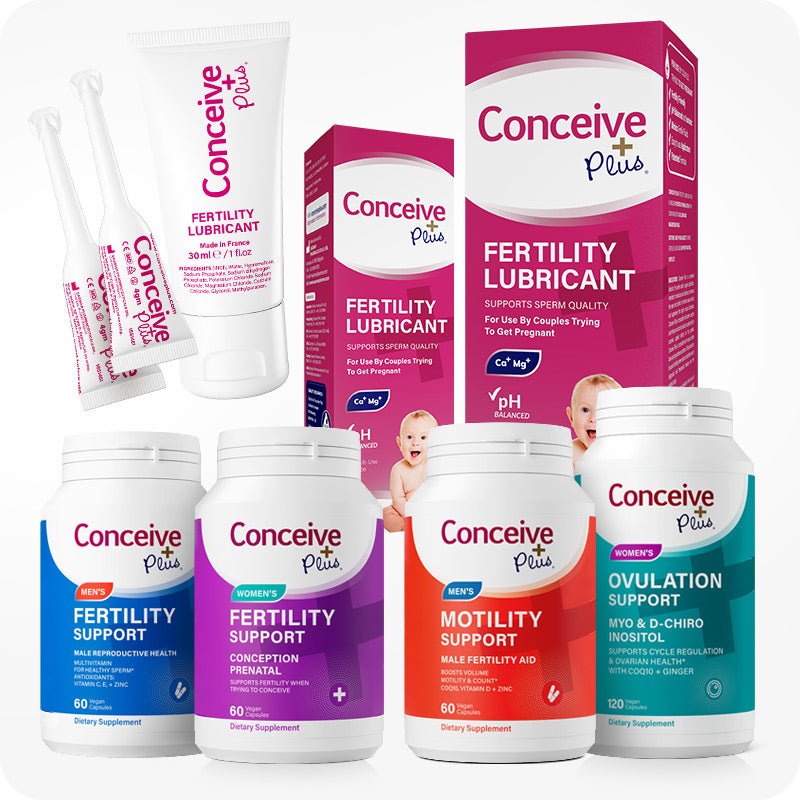
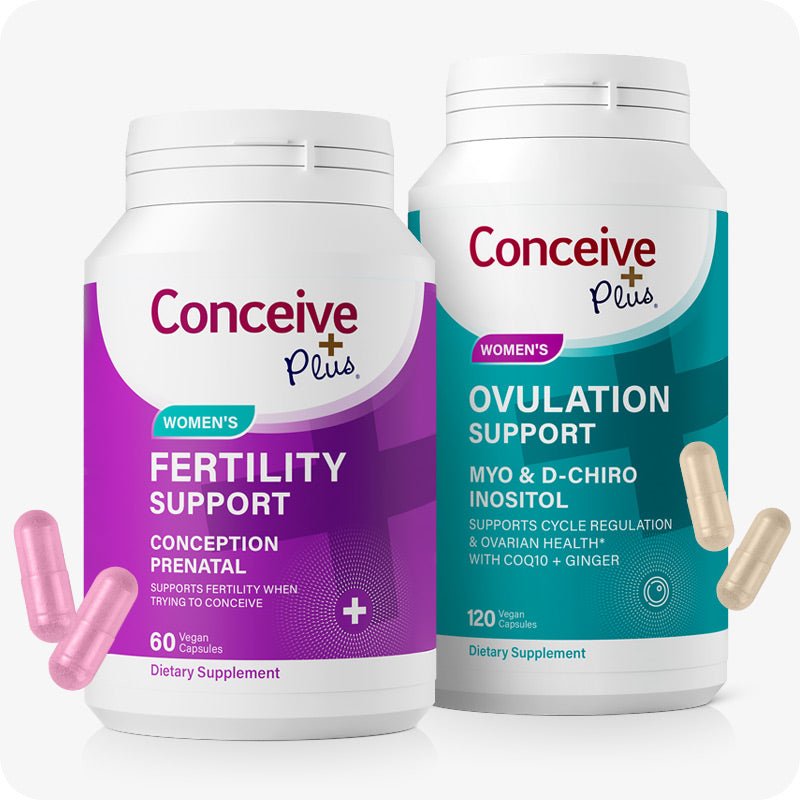
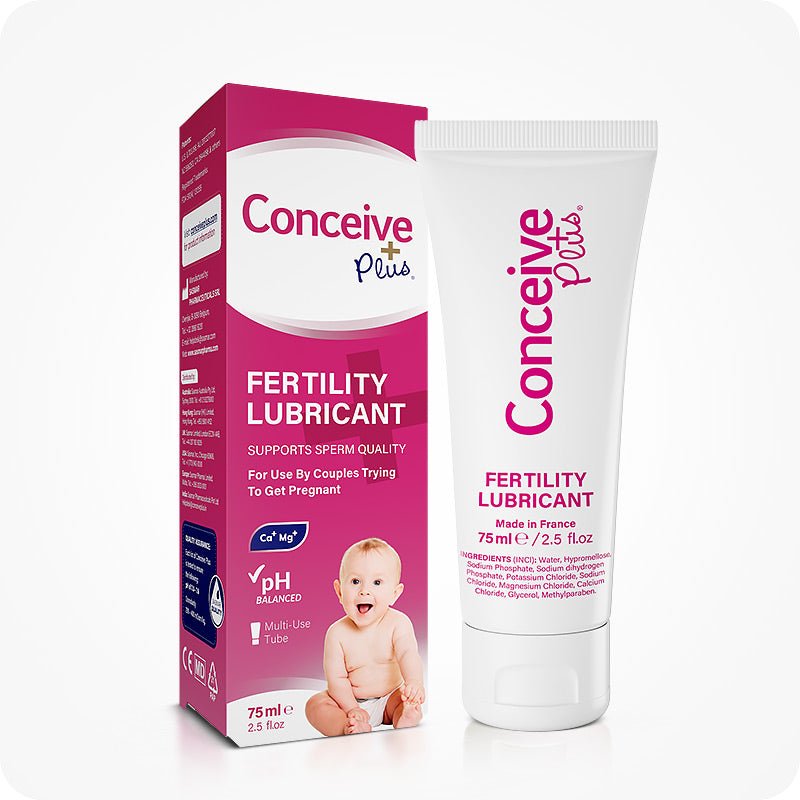
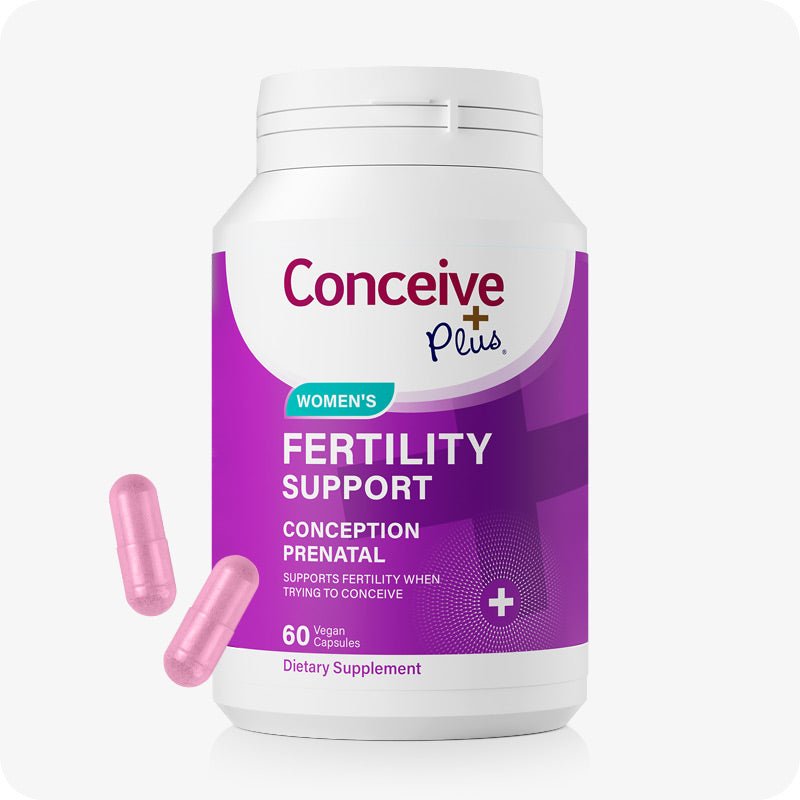
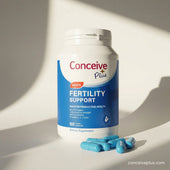
Conceive Plus Fertility Support supplements are specifically formulated with clinically studied nutrients—including CoQ10, folate, zinc, and antioxidants—to support reproductive health for both partners. Whether you're just starting out or have been trying for a while, our supplements are designed to complement your fertility journey with evidence-based nutrition.
Women's reproductive health depends on a complex interplay of hormones, egg quality, and uterine health. The following supplements have the strongest evidence base for supporting female fertility:
- Folate (Methylfolate): The most important preconception nutrient. The CDC recommends 400–800 mcg daily before and during early pregnancy to prevent neural tube defects. Importantly, many women carry a genetic variant (MTHFR) that impairs folic acid conversion—methylfolate bypasses this issue entirely. A 2023 meta-analysis found that adequate folate status was associated with higher live birth rates in women undergoing fertility treatment.
- CoQ10 (Coenzyme Q10): This powerful antioxidant plays a central role in cellular energy production within the ovary. Egg quality declines with age partly because CoQ10 levels naturally decrease as we get older. Studies suggest that supplementing with 200–600 mg of CoQ10 daily may improve egg quality and ovarian reserve, particularly in women over 35. A landmark 2018 trial showed improved response to ovarian stimulation in older women taking CoQ10.
- Vitamin D: Often called the "sunshine vitamin," vitamin D is critical for hormonal balance and immune function. Research published in the Journal of Clinical Endocrinology & Metabolism found that vitamin D-deficient women had significantly lower pregnancy rates. Aim for blood levels of 40–60 ng/mL—most Americans fall well below this threshold.
- Iron: Ovulatory infertility has been linked to inadequate iron intake. The Nurses' Health Study II found that women who took iron supplements had a 40% lower risk of ovulatory infertility than those who didn't. Opt for non-heme iron with vitamin C for better absorption.
- Omega-3 Fatty Acids (DHA/EPA): These essential fats support hormonal balance, reduce inflammation, and are critical for fetal brain development. Research suggests omega-3s may improve egg quality and uterine blood flow. Look for 1,000–2,000 mg of combined DHA/EPA daily from a clean, third-party tested source.
- Inositol (Myo-Inositol + D-Chiro-Inositol): Particularly beneficial for women with PCOS, inositol supports insulin sensitivity and hormonal regulation. Multiple clinical trials have shown that myo-inositol supplementation can improve egg quality, menstrual regularity, and ovulation rates in women with PCOS.
Essential Fertility Supplements for Men
Male factor infertility accounts for approximately 40–50% of all infertility cases, yet men's nutritional needs during the conception journey are frequently overlooked. Sperm take about 74 days to develop—meaning that the supplements a man takes today will affect the sperm produced nearly three months from now. This makes early and consistent supplementation especially important.
- Zinc: Critical for testosterone production, sperm formation, and DNA synthesis. Zinc deficiency is associated with low sperm count and poor motility. Multiple studies have demonstrated that zinc supplementation improves sperm parameters in men with suboptimal levels. Aim for 15–30 mg daily.
- Selenium: An antioxidant mineral essential for sperm motility and protection against oxidative damage. A 2023 systematic review found that selenium supplementation significantly improved sperm motility and morphology in men with male-factor infertility.
- CoQ10: Just as important for men as for women. Sperm cells are highly vulnerable to oxidative stress, and CoQ10 protects against free radical damage while supporting the energy production needed for motility. Research shows 200–300 mg daily can improve sperm concentration, motility, and morphology.
- Vitamin C: A powerful antioxidant that reduces sperm DNA fragmentation—a key marker of sperm quality. Studies have shown that 1,000 mg of vitamin C daily can reduce DNA fragmentation and improve overall sperm health within 2 months.
- L-Carnitine and Acetyl-L-Carnitine: These compounds are highly concentrated in the epididymis where sperm mature, and they're essential for sperm motility. Supplementation has been shown to improve both motility and morphology in clinical studies.
- Folate + Zinc Combo: Research has shown that the combination of folic acid and zinc significantly increases sperm count in men with fertility issues—by as much as 74% in one notable study.
Antioxidants and Their Role in Reproductive Health
Oxidative stress—the imbalance between free radicals and antioxidants in the body—is increasingly recognized as a major contributor to both male and female infertility. Free radicals damage egg DNA, impair sperm motility, disrupt hormonal signaling, and compromise the uterine environment. Antioxidant supplementation helps neutralize this damage.
Key antioxidants for fertility include:
- Vitamin E: Works synergistically with vitamin C and selenium to protect reproductive cells from oxidative damage. Studies show 400–800 IU daily can improve sperm function and endometrial receptivity.
- Alpha-Lipoic Acid (ALA): A versatile antioxidant that regenerates other antioxidants (including vitamins C and E) and improves insulin sensitivity—an important factor for women with PCOS.
- N-Acetyl Cysteine (NAC): A precursor to glutathione, the body's master antioxidant. NAC has shown particular promise in improving fertility outcomes for women with PCOS and for reducing sperm DNA damage in men.
- Lycopene: Found in tomatoes and other red foods, lycopene specifically benefits male fertility. Research shows it can improve sperm concentration and motility while reducing abnormal morphology.
The 2024 American Society for Reproductive Medicine (ASRM) practice committee report acknowledged that antioxidant supplementation shows "promising evidence" for improving fertility outcomes in both sexes, though individualized approaches are recommended.
Herbal Supplements: What the Evidence Says
Herbal supplements occupy a more complex space in the fertility supplement world. While many have been used traditionally for centuries, the clinical evidence is more limited compared to vitamins and minerals. That said, several herbal supplements have emerging research support:
- Vitex (Chaste Tree Berry): Used for centuries to support hormonal balance in women. Clinical studies suggest it may help regulate irregular cycles and support progesterone production during the luteal phase. Best suited for women with luteal phase deficiency or irregular periods.
- Ashwagandha: An adaptogenic herb that helps the body manage stress—a known fertility disruptor. Research shows ashwagandha can reduce cortisol levels and, in men, has been shown to improve sperm count and motility by up to 167% in one trial.
- Maca Root: A Peruvian root vegetable used traditionally to support libido and fertility. Some evidence suggests it may improve sperm production in men. For women, the evidence is more limited, but it's generally considered safe.
- Evening Primrose Oil (EPO): Rich in gamma-linolenic acid (GLA), EPO is thought to support cervical mucus quality. It should only be used in the first half of the menstrual cycle (before ovulation) as it may interfere with implantation if used after ovulation.
Important note: Always discuss herbal supplements with your healthcare provider before starting, especially if you're undergoing fertility treatment. Some herbs can interact with medications or affect hormone levels in unintended ways.
How to Choose a Quality Fertility Supplement
With thousands of fertility supplements on the market, quality varies enormously. Here's what to look for:
- Third-Party Testing: Look for products tested by independent organizations like NSF International, USP, or Informed Sport. This verifies that the product contains what it claims and is free from contaminants.
- Bioavailable Forms: The form of a nutrient matters as much as the dose. Choose methylfolate over folic acid, magnesium glycinate over magnesium oxide, and zinc picolinate over zinc oxide for better absorption.
- Appropriate Dosing: Research-backed doses, not just "sprinkle" amounts added for marketing purposes. Check that key nutrients appear at doses studied in clinical trials.
- Transparent Labeling: Avoid proprietary blends that hide individual ingredient amounts. You should be able to see exactly how much of each ingredient you're getting.
- No Unnecessary Fillers: Avoid products with artificial colors, titanium dioxide, or unnecessary additives.
- Couple-Focused Formulas: Some brands offer comprehensive his-and-hers systems that address both male and female fertility in one coordinated approach—convenient and often more cost-effective.
Timing and Duration: When to Start and How Long to Take Supplements
Timing matters. Most fertility experts recommend starting preconception supplements at least 3 months before trying to conceive—and ideally 6 months before. Here's why:
- Eggs take approximately 90 days to mature before ovulation. Supplements taken now influence the egg released 3 months from now.
- Sperm take 74 days to develop, so men should begin supplementing well in advance.
- Vitamin D and other fat-soluble nutrients take time to build up in tissue to adequate levels.
- Building healthy habits (including supplement routines) before the urgency of trying to conceive helps establish consistency.
Continue taking prenatal vitamins throughout pregnancy and, if breastfeeding, into the postpartum period. The nutritional demands of pregnancy and lactation are even higher than the preconception phase.
Frequently Asked Questions About Fertility Supplements
Q: Can fertility supplements guarantee pregnancy?
A: No supplement can guarantee pregnancy. Fertility supplements support reproductive health by optimizing nutritional status, but they work best as part of a holistic approach that includes a balanced diet, healthy weight, regular exercise, stress management, and appropriate medical care.
Q: Are fertility supplements safe?
A: Most fertility supplements containing vitamins and minerals are considered safe when taken at appropriate doses. Herbal supplements require more caution. Always consult your OB-GYN or reproductive endocrinologist before starting any new supplement, especially if you have underlying health conditions or are taking medications.
Q: Do men really need fertility supplements?
A: Absolutely. Male factor infertility contributes to nearly half of all cases. Sperm health is highly responsive to nutritional support, and several well-studied supplements—CoQ10, zinc, selenium, and antioxidants—have demonstrated measurable improvements in sperm parameters.
Q: How long does it take for fertility supplements to work?
A: Because eggs and sperm take 70–90 days to develop, most researchers recommend at least 3 months of supplementation before expecting to see measurable changes. Some benefits (like improved cervical mucus or reduced inflammation) may occur sooner.
Q: Can I just take a regular prenatal vitamin instead of a fertility supplement?
A: Prenatal vitamins are a great foundation but may not contain fertility-specific nutrients like CoQ10, inositol, or higher doses of key antioxidants. Many couples benefit from a prenatal vitamin plus targeted add-ons based on their specific needs.
Q: What's the difference between folic acid and folate (methylfolate)?
A: Folic acid is the synthetic form that must be converted by the body to active folate. Women with the common MTHFR genetic variant can't make this conversion efficiently. Methylfolate (also called 5-MTHF) is the active form that bypasses this conversion issue and is recommended for many women, especially those with MTHFR mutations.
Q: Are expensive supplements always better?
A: Not necessarily. Price can reflect quality, but it can also reflect marketing. Focus on third-party testing, bioavailable nutrient forms, and appropriate dosing rather than price alone. Research the brand's manufacturing standards and look for transparency.
Q: Should I stop taking supplements once I get pregnant?
A: Most fertility supplements should transition to prenatal vitamins once pregnancy is confirmed. Some nutrients like CoQ10 and DHA are beneficial throughout pregnancy. Discuss your specific supplement regimen with your healthcare provider at your first prenatal appointment.
Q: Can too many supplements be harmful?
A: Yes. Fat-soluble vitamins (A, D, E, K) can accumulate to toxic levels with excessive supplementation. Vitamin A in particular can cause birth defects at very high doses. Always stay within recommended ranges and inform your doctor of everything you're taking.
Q: Is there a best time of day to take fertility supplements?
A: Many people find it easiest to take supplements with meals to reduce any stomach discomfort. Fat-soluble vitamins (D, E, K, CoQ10) are better absorbed with food containing some fat. Iron should be taken separately from calcium, which inhibits its absorption.
Ready to Take the Next Step?
Conceive Plus Fertility Support supplements bring together the most important nutrients for reproductive health, helping you build the strongest possible foundation for conception. Our science-backed formulas are trusted by couples across the United States who are working toward their dream of parenthood.