Average Time to Get Pregnant


If you’re trying to conceive, there’s probably one top question on your mind: how long will it take to get pregnant? Unfortunately, there’s no one set answer, as it can vary depending on your health, age, reproductive health, and how often you’re having sex. Many couples can expect to conceive within a year, but that’s not the case for everyone. Below, we break down the statistics and discuss when you should consider fertility tests.
How Long Does It Take to Get Pregnant?
This number varies, so it’s important not to compare yourself to other couples and expect the same results. A 2002 study done in the journal Human Reproduction studied 346 women who were trying to get pregnant over one year. 38% of the women got pregnant within 1 month, 68% within 3 months, 81% within 6 months, and 92% within 12 months. The remaining 8% did not conceive during the first year. Some couples can take up to 2 or 3 years to conceive.
What Can Make Conception Take Longer?

✨ Trying to Conceive?
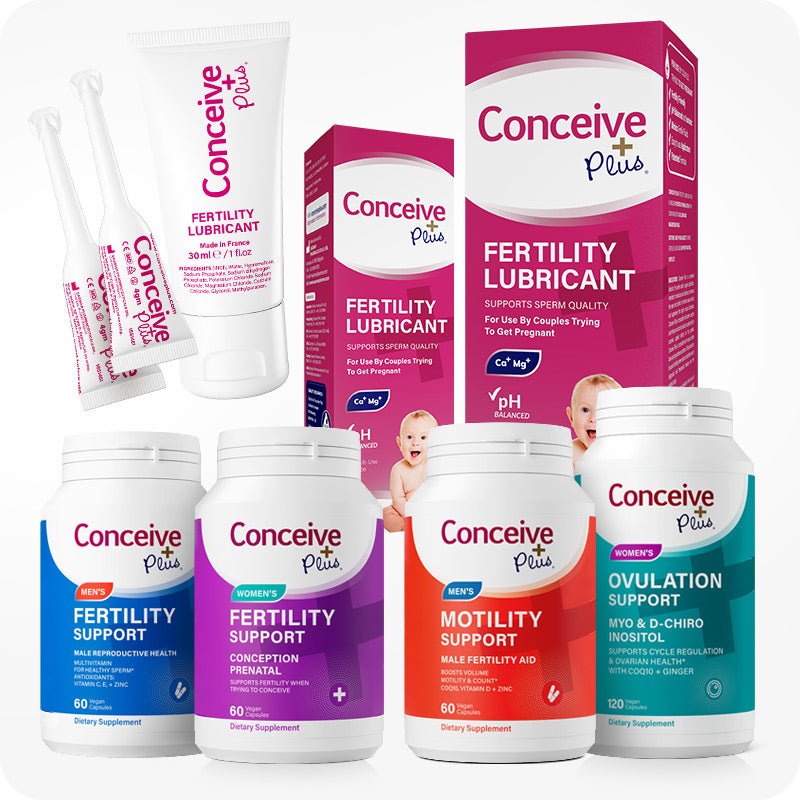
Our Ovulation & Fertility Bundle combines Myo-Inositol with essential vitamins to support healthy hormone balance and regular ovulation.
Shop Now — $55.00✓ Free shipping on orders over $40 | ✓ Trusted by millions of couples worldwide
A number of factors can affect your fertility. Age is one of the biggest of these. For women, fertility can begin to drop beginning in their 30s. For men, fertility typically doesn’t decline until about 50. Lifestyle factors can also make conception more or less likely. Smoking, excessive drinking, and high levels of caffeine can all inhibit fertility. Being unhealthy or significantly overweight can also make conceiving harder. In addition, many women trying to conceive are coming off of birth control. It typically takes a full cycle (or about a month) for your body to return to normal and baby-readiness after you stop taking birth control.
When Should You See a Fertility Specialist?
Before you start trying to conceive, you should visit your doctor for a general checkup and inform them that you are trying to get pregnant. They can make sure that you are healthy and that your body is ready for a baby. However, most couples do not have any fertility tests performed when they start trying to conceive. Typically, you can wait until you’ve been trying for a year. Then, the two of you may want to visit a fertility specialist to see whether you have any fertility problems. If you do, you may want to pursue treatment options to help you have a baby. If you are trying to conceive at 35 or older, you should visit a fertility specialist if you haven’t conceived within 6 months. This ensures that you don’t waste any of your precious time.
CONCEIVE PLUS®
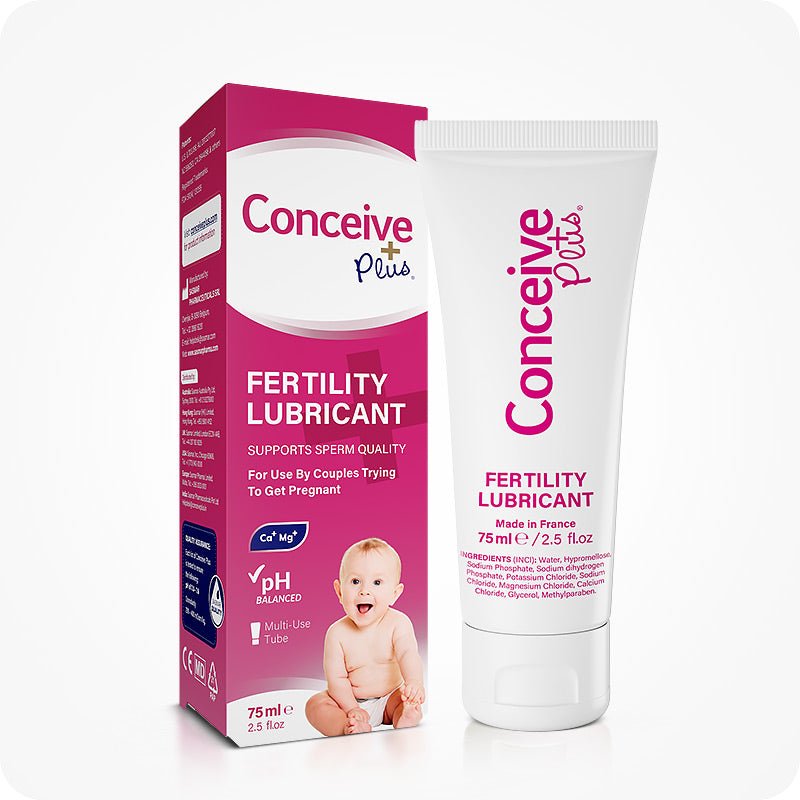
Fertility support is an essential part of conception, whether you are just starting out or have been trying for some time. Conceive Plus Fertility Lubricant is a fertility-friendly lubricant is specifically designed to create an optimal environment for sperm, supporting sperm viability and motility. Formulated to mimic natural fertile fluids, Conceive Plus is your trusted partner in your fertility journey.
🌱 Support Your Fertility Journey
Conceive Plus fertility supplements are clinically formulated to help regulate your cycle and support egg quality.
Shop Fertility Support →Frequently Asked Questions
Recommended by Fertility Experts
Conceive Plus Men's Fertility Support
Designed to support healthy sperm production, motility, and overall male reproductive health with clinically studied nutrients.
Shop Now →At what age does female fertility start to decline?
Female fertility can begin to decline in the 30s, with the decline becoming more noticeable after age 35. While women in their 30s can still conceive, the quality and quantity of eggs decrease over time, which is why age is considered one of the biggest factors affecting conception rates. It's important to note that male fertility typically remains relatively stable until around age 50.
How long after stopping birth control can you get pregnant?
It typically takes about one full menstrual cycle (or approximately one month) for your body to return to normal after stopping birth control. However, some women may conceive immediately, while others may need a few cycles for their hormones to fully regulate. If you haven't conceived after three months of trying post-birth control, consult with your doctor to rule out other fertility factors.
What lifestyle factors can affect my ability to get pregnant?
Several lifestyle factors can impact fertility, including smoking, excessive alcohol consumption, and high caffeine intake, all of which can inhibit conception. Additionally, being overweight or in poor health can make it harder to conceive. Maintaining a healthy weight, eating a balanced diet, exercising regularly, and avoiding harmful substances can improve your fertility prospects.
When should I see a fertility specialist if I'm not getting pregnant?
The American Society for Reproductive Medicine (ASRM) recommends that most couples can wait until they've been actively trying to conceive for one year before seeking a fertility specialist. However, if you're over 35, have known reproductive health issues, or have other risk factors, you may want to consult a specialist sooner—typically after six months of trying. Before starting fertility treatments, your OB-GYN can perform an initial evaluat
What should I do before I start trying to conceive?
Before attempting conception, schedule a general checkup with your doctor and inform them of your pregnancy plans so they can assess your overall health and readiness. Your doctor can review your medical history, current medications, and lifestyle factors to optimize your chances of conception. They may also recommend prenatal vitamins containing folic acid, which is important for fetal development.
Is it normal to take longer than a year to get pregnant?
Yes, while studies show that approximately 92% of couples conceive within the first year of trying, about 8% may take longer. Some couples may need up to two or three years to conceive naturally, and this can be influenced by age, health status, and individual fertility factors. If you're concerned about your conception timeline, discuss your specific situation with a fertility specialist who can determine if further testing is needed.
What percentage of couples get pregnant within the first few months of trying?
According to a 2002 study published in the journal Human Reproduction, approximately 38% of women conceived within the first month, 68% within three months, and 81% within six months of attempting conception. By the 12-month mark, about 92% had successfully conceived. Keep in mind that these are statistics based on a study population and individual results can vary significantly based on personal health factors.
Trusted by Couples in Over 70 Countries
Support Male Fertility From the Inside Out
Male fertility is just as important as female fertility in the conception journey. Conceive Plus Men's range delivers targeted nutritional support to promote healthy sperm and overall reproductive wellbeing.
Shop Men's Range →