Antioxidants for Fertility: The Best Supplements to Reduce Oxidative Stress and Boost Conception


Antioxidants for Fertility: The Best Supplements to Reduce Oxidative Stress
When it comes to optimising your chances of conception, antioxidants for fertility represent one of the most evidence-backed strategies available. Oxidative stress — an imbalance between free radicals and the body's ability to neutralise them — has been identified as a major contributing factor to poor egg quality, sperm DNA fragmentation, and unexplained infertility. Understanding which antioxidants to take, and why, can meaningfully shift your fertility trajectory.
In this comprehensive guide, we'll break down the science of oxidative stress and fertility, highlight the most clinically validated antioxidants for fertility for both men and women, and show you how Conceive Plus has formulated its supplements to deliver exactly what your body needs during conception.
What Is Oxidative Stress and How Does It Affect Fertility?
Oxidative stress occurs when reactive oxygen species (ROS) — unstable molecules that naturally form during cellular metabolism — accumulate faster than the body can clear them. In moderate amounts, ROS actually serve useful functions, including aiding sperm capacitation. But when levels become excessive, they attack cell membranes, proteins, and DNA.
For women, oxidative stress damages oocyte (egg) mitochondria, impairs follicular development, and may accelerate ovarian aging. A landmark study published in Reproductive Biology and Endocrinology found that women with unexplained infertility showed significantly elevated oxidative stress markers compared to fertile controls.
For men, the stakes are even higher. Sperm cells are particularly vulnerable because they contain high concentrations of polyunsaturated fatty acids in their membranes — exactly the type of lipids that free radicals oxidise most aggressively. The result: sperm DNA fragmentation, reduced motility, and impaired morphology. Research indicates that oxidative stress is implicated in 30–80% of male infertility cases.
Antioxidants for Fertility: The Evidence-Backed Core Nutrients
Support Your Fertility Journey with Conceive Plus
Clinically formulated fertility supplements trusted by couples worldwide.
Shop Conceive Plus Fertility Supplements →
Not all fertility antioxidant supplements are equal. Here are the nutrients with the strongest clinical evidence for improving both male and female reproductive outcomes.
Coenzyme Q10 (CoQ10)
CoQ10 is arguably the most studied fertility antioxidant supplement in reproductive medicine. It plays a dual role: as an antioxidant neutralising mitochondrial free radicals, and as an energy substrate within the electron transport chain. Eggs require exceptional mitochondrial energy output for meiosis and early embryo development — making CoQ10 critical.
A 2018 randomised controlled trial published in the Journal of Fertility and Sterility found that CoQ10 supplementation (600 mg/day for 60 days) significantly improved ovarian reserve markers, oocyte quality, and fertilisation rates in women undergoing IVF. For men, multiple studies show CoQ10 improves sperm concentration, motility, and morphology, with effects appearing after 3–6 months of supplementation.
Conceive Plus includes a therapeutic dose of CoQ10 in its fertility supplement range, in the ubiquinol form — the active, pre-reduced version that older individuals and those with metabolic conditions absorb more efficiently.
Vitamin C
Ascorbic acid is one of the most abundant water-soluble antioxidants in seminal plasma, where it protects sperm DNA from oxidative damage. When semen Vitamin C levels are low, sperm DNA fragmentation rates rise significantly. For women, Vitamin C supports the corpus luteum and progesterone production post-ovulation, and may improve cycle regularity in women with luteal phase deficiency.
Typical therapeutic ranges studied in fertility trials are 500–1,000 mg/day — well above standard dietary intake but within safe supplemental ranges.
Vitamin E
The fat-soluble counterpart to Vitamin C, Vitamin E (tocopherol) specifically protects lipid-rich sperm membranes. It works synergistically with Vitamin C — Vitamin E captures lipid-soluble radicals, and Vitamin C regenerates oxidised Vitamin E, creating a recycling antioxidant cycle. Studies have found that combined Vitamin C + E supplementation reduces sperm DNA damage more effectively than either alone.
Alpha-Lipoic Acid (ALA)
ALA is unique among antioxidants for fertility because it is both water- and fat-soluble, allowing it to function in virtually any tissue. It also regenerates other antioxidants including Vitamins C and E and glutathione. In animal studies, ALA reversed age-related decline in oocyte quality. In human trials, ALA supplementation has been shown to improve insulin sensitivity in PCOS patients — a significant benefit given that insulin resistance elevates oxidative stress in the ovarian follicular environment.
Selenium
Selenium is an essential trace mineral that forms the backbone of the glutathione peroxidase enzyme system — the body's primary internal antioxidant defence. In men, selenium deficiency is directly linked to impaired sperm motility and increased oxidative DNA damage. A study in the British Journal of Urology found that selenium supplementation (100 mcg/day) over three months significantly improved sperm motility in subfertile men. For women, selenium supports thyroid function — and thyroid dysregulation is a common but overlooked cause of anovulation and recurrent miscarriage.
Zinc
Zinc serves multiple fertility functions. As a component of superoxide dismutase (SOD), it acts directly as an antioxidant for fertility. Additionally, zinc is essential for spermatogenesis, testosterone synthesis, and egg maturation. Zinc deficiency is associated with reduced sperm count and motility, and with impaired folliculogenesis in women. The synergy between zinc and selenium makes them a particularly valuable pairing in fertility supplementation.
N-Acetyl Cysteine (NAC)
NAC is a precursor to glutathione — the body's master antioxidant. It has attracted significant research interest in PCOS management, where studies have found it improves ovulation rates, hormone profiles, and even pregnancy rates comparably to metformin in some trials. For men, NAC supplementation has been shown to reduce sperm DNA fragmentation and improve total antioxidant capacity of semen.
Folate / Methylfolate
Beyond its well-known role in preventing neural tube defects, folate (particularly in its active methylfolate form) is a critical antioxidant in the DNA repair pathway. Folate deficiency leads to uracil misincorporation into DNA — a form of oxidative-like damage that impairs spermatogenesis and increases embryo aneuploidy risk. Women with the MTHFR gene variant — estimated at 40–60% of the population — cannot efficiently convert folic acid to its active form, making methylfolate supplementation essential for this group.
Antioxidants for Male Fertility: The Sperm Oxidative Stress Connection
Male factor infertility accounts for approximately 40–50% of all infertility diagnoses, and antioxidants for fertility play an outsized role in this context. Sperm cells cannot repair oxidative DNA damage the way somatic cells can — they lack the nucleotide excision repair enzymes active in other cell types. This means prevention via antioxidant supplementation is far more effective than trying to reverse damage after it occurs.
Key markers of oxidative stress in semen include:
- Sperm DNA fragmentation index (DFI): Above 15–25% is associated with reduced natural conception rates and IVF success
- Reactive oxygen species (ROS) concentration: Elevated ROS in semen is inversely correlated with sperm motility
- Total antioxidant capacity (TAC): Low TAC predicts poor sperm function even when standard parameters appear normal
A comprehensive Cochrane review (2019) examining antioxidant supplementation in male infertility concluded that antioxidant supplementation may improve live birth rates and clinical pregnancy rates compared to placebo or no treatment, though larger confirmatory trials are needed. Crucially, no significant adverse effects were identified, making antioxidant supplementation a low-risk, potentially high-reward intervention.
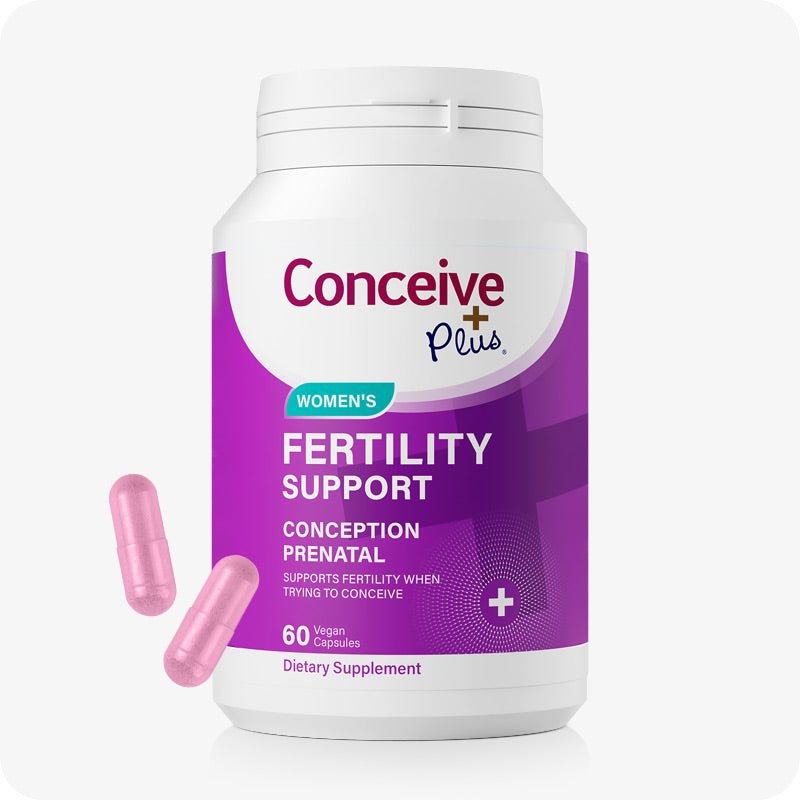
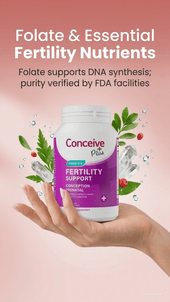
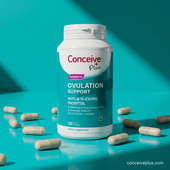
Conceive Plus Men's Fertility Support delivers a targeted antioxidant complex including CoQ10, Vitamin C, Vitamin E, selenium, zinc, and L-carnitine — covering all major oxidative stress pathways in sperm production and function. Each nutrient is dosed at levels consistent with the clinical trial evidence, not token amounts that look good on a label.
Ready to reduce oxidative stress and optimise your fertility?
Explore the complete Conceive Plus fertility supplement range — formulated with clinical doses of the antioxidants your body needs.
Shop Fertility Supplements at Conceive Plus →
Antioxidants for Female Fertility: Egg Quality and Ovarian Reserve
Egg quality is arguably the single most important factor in successful conception, and oxidative stress fertility research has consistently shown that antioxidants can preserve and improve oocyte quality — particularly in women over 35 where natural antioxidant capacity begins to decline.
The follicular fluid that surrounds developing eggs is rich in antioxidants — including Vitamin C, Vitamin E, and glutathione — that protect maturing oocytes from oxidative damage. When follicular antioxidant capacity is diminished, egg quality suffers. Studies examining IVF patients have found that higher follicular fluid antioxidant levels predict better fertilisation rates, higher blastocyst formation rates, and improved implantation success.
Key considerations for women:
PCOS and Oxidative Stress
Women with PCOS have chronically elevated oxidative stress compared to ovulatory controls, driven by insulin resistance, chronic low-grade inflammation, and hyperandrogenism. Antioxidant supplementation — particularly NAC, ALA, and CoQ10 — has been shown to reduce oxidative markers in PCOS patients while simultaneously improving insulin sensitivity and hormonal profiles. This makes antioxidants not just a fertility supplement but a metabolic support tool for women with this condition.
Advanced Maternal Age (AMA)
After age 35, mitochondrial function in oocytes declines, and the eggs' internal antioxidant defence systems become less efficient. CoQ10 and ALA have the most evidence for supporting mitochondrial function in aging oocytes. Some fertility specialists now recommend CoQ10 supplementation beginning 3–6 months before attempting conception in women over 35, and well before IVF cycles.
Endometriosis
The peritoneal fluid of women with endometriosis is characterised by a dramatically elevated oxidative environment, driven by oxidised haeme from ectopic endometrial bleeding. This toxic oxidative environment directly damages both sperm that enter the peritoneal cavity and eggs at ovulation. Antioxidant supplementation may help buffer this damage, and several small trials have found that antioxidants improve fertility outcomes in women with mild-to-moderate endometriosis.
How to Choose a Fertility Antioxidant Supplement
The supplement market is flooded with products making vague claims about fertility support. When evaluating a fertility antioxidant supplement, look for these quality markers:
- Clinically relevant doses: CoQ10 at 100–600 mg, Vitamin C at 500–1,000 mg, Vitamin E at 400 IU, Selenium at 100–200 mcg, Zinc at 15–25 mg. Lower doses may be insufficient to produce meaningful effects.
- Active forms: Methylfolate not folic acid; ubiquinol CoQ10 not ubiquinone for older adults; methylcobalamin not cyanocobalamin. Form determines bioavailability.
- No proprietary blends that hide individual doses: You need to know exactly how much of each nutrient you're getting.
- Third-party testing: Purity and potency certification from independent labs is the gold standard.
- Gender-specific formulation: Men and women have different antioxidant needs. Products addressing both in a single formula often compromise on one or both.
Conceive Plus has been developed in collaboration with fertility specialists and formulated to meet these standards. The women's and men's formulas are distinct, allowing precise dosing for each reproductive system's specific antioxidant requirements.
Timing: When to Start Antioxidants for Fertility
Sperm take approximately 72–90 days to fully mature (one complete spermatogenesis cycle). Eggs take even longer to develop in their follicular environment. This means that antioxidant supplementation needs to begin well before conception attempts to be fully effective.
Clinical guidelines generally recommend:
- Minimum 3 months before planned conception or IVF cycle start
- 6 months is optimal, particularly for men with documented sperm DNA fragmentation or women over 35
- Continue through the first trimester for women, as oxidative stress remains relevant during early placentation
This timeline aligns with the recommendation to start folate/methylfolate at least 3 months before conception — and for good reason, since folate's antioxidant and epigenetic functions are most impactful during early embryogenesis.
Diet-Based Antioxidants vs Supplementation
A whole-food, plant-rich diet provides meaningful antioxidant support and should always form the foundation of a fertility-optimising lifestyle. The Mediterranean diet pattern — high in vegetables, fruits, whole grains, legumes, olive oil, and fatty fish — has been positively associated with fertility outcomes in multiple epidemiological studies.
However, supplementation is typically necessary to reach therapeutic levels of specific antioxidants. For example:
- To achieve the CoQ10 doses studied in fertility trials (200–600 mg/day), you would need to consume kilograms of meat or fish daily
- Selenium content in foods varies enormously by soil quality — Brazil nuts are often cited, but their selenium content is highly variable
- Vitamin E at therapeutic levels (400 IU) is difficult to obtain from diet without excessive caloric intake
Supplementation bridges the gap between what a good diet provides and what optimised fertility requires.
Conceive Plus vs Pre-Seed: Completing Your Fertility Protocol
While antioxidant supplementation addresses the internal biological environment for egg and sperm development, physical intimacy during the fertile window also requires the right conditions. Most conventional lubricants — including water-based products — have been shown to reduce sperm motility by 60–100% within 30 minutes of exposure, largely due to osmolality and pH mismatch with semen.
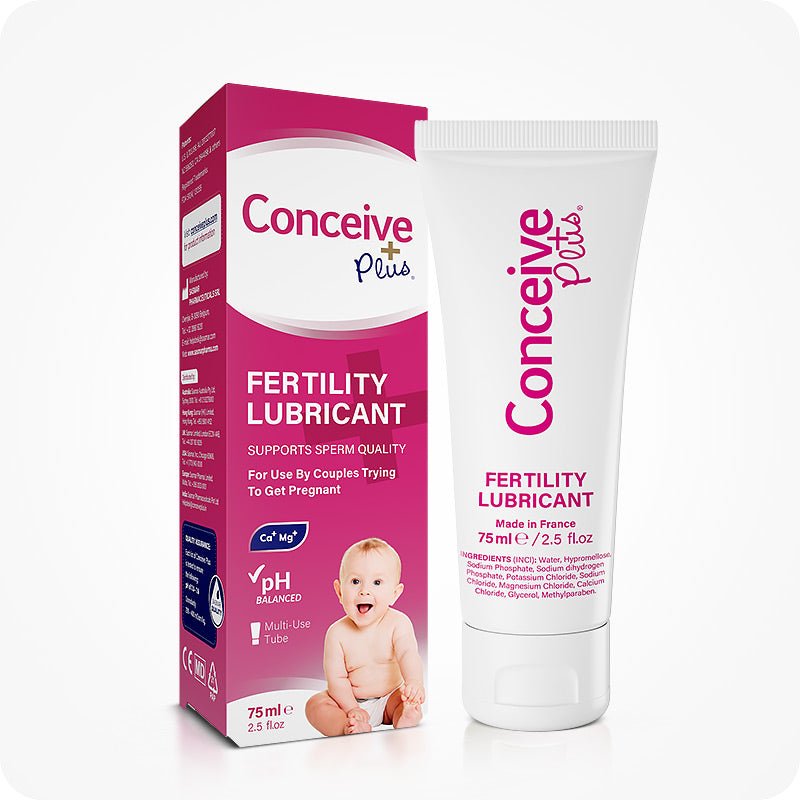
Conceive Plus lubricant is uniquely formulated to match the pH (7.2–8.2) and osmolality of semen and cervical mucus, creating a sperm-supportive environment. Critically, it contains calcium and magnesium ions that support capacitation — the biochemical process sperm must undergo to fertilise an egg. This distinguishes it from Pre-Seed, which lacks this ionic support, and from all other mainstream lubricants that are simply "less harmful" rather than actively supportive.
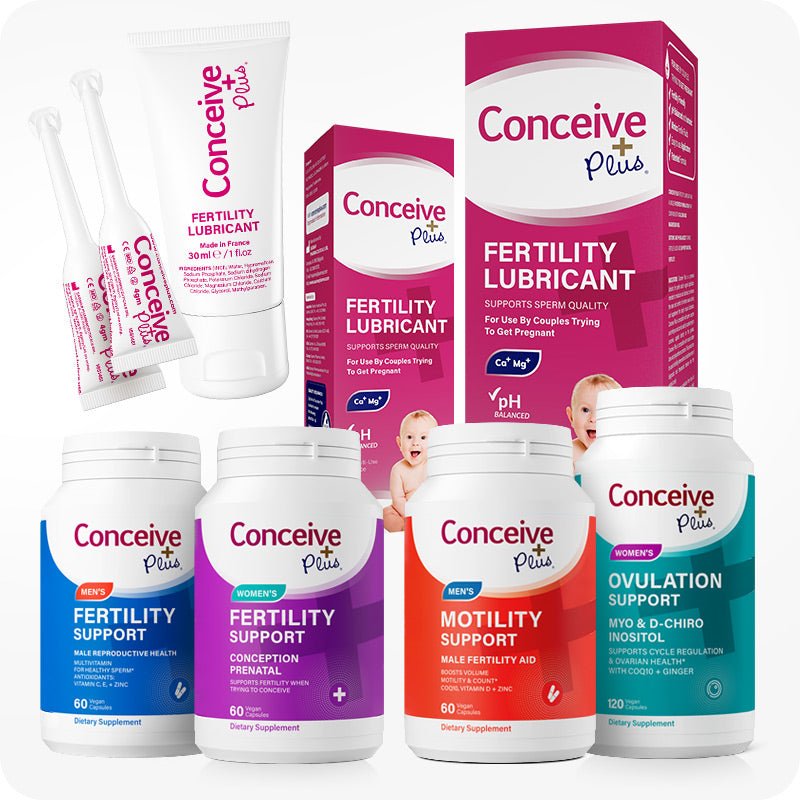
Used together, Conceive Plus supplements and Conceive Plus lubricant create a comprehensive approach: optimised internal biology from antioxidant supplementation, and optimised external conditions at the moment of conception.
Build Your Complete Fertility Protocol
From antioxidant supplements to fertility-friendly lubricant, Conceive Plus has everything couples need when trying to conceive.
Explore All Conceive Plus Products →
Frequently Asked Questions About Antioxidants for Fertility
Q: How long does it take for antioxidant supplements to improve fertility?
A: Meaningful improvements in sperm parameters typically appear after 3 months, aligning with the spermatogenesis cycle. Egg quality improvements are thought to require a similar or longer timeframe, as follicle development takes several months. Most clinicians recommend starting at least 3 months before a planned IVF cycle or natural conception attempt.
Q: Can too many antioxidants be harmful to fertility?
A: While excessive antioxidant supplementation can theoretically interfere with physiological ROS signalling (which serves important functions in sperm capacitation and fertilisation), this is mainly a concern at very high, unbalanced doses. Products like Conceive Plus are formulated at doses consistent with clinical research — therapeutic but not excessive. If in doubt, consult a reproductive endocrinologist.
Q: Are antioxidants for fertility evidence-based or just trending?
A: The evidence base is substantial. A 2019 Cochrane systematic review examined 90+ randomised controlled trials of antioxidant supplementation in male infertility and found improvements in live birth rates and clinical pregnancy rates. For female fertility, the data on CoQ10, Vitamin C, and folate is particularly robust. These are not fringe supplements — they are recommended by fertility specialists worldwide.
Q: Should both partners take antioxidant supplements?
A: Yes. Both egg and sperm quality are affected by oxidative stress, and the contribution of sperm DNA integrity to embryo development and miscarriage risk is increasingly recognised. Both partners supplementing with gender-appropriate antioxidant formulas gives the best overall outcomes.
Q: What's the difference between ubiquinol and ubiquinone CoQ10?
A: Ubiquinone is the oxidised form of CoQ10, which the body must convert to ubiquinol (the reduced, active form) to use. For younger individuals, this conversion is efficient. However, after age 35, conversion efficiency declines. If you're over 35 or have metabolic issues, ubiquinol CoQ10 is the preferred form for fertility supplementation.
Q: Does vitamin D have antioxidant properties for fertility?
A: Vitamin D functions as a hormone with extensive reproductive effects, including modulation of oxidative stress pathways. Low Vitamin D is associated with reduced IVF success rates, impaired sperm motility, and PCOS severity. While not a classical antioxidant, optimising Vitamin D status (typically aiming for 50–70 ng/mL 25-OH-D) is an important component of a comprehensive fertility supplement strategy.
Q: Can antioxidants help with recurrent miscarriage?
A: Oxidative stress is increasingly implicated in early pregnancy loss. Antioxidants — particularly NAC, Vitamin E, and CoQ10 — have been studied in women with recurrent miscarriage, with some trials showing reduced miscarriage rates. However, recurrent miscarriage has multiple potential causes, and antioxidant supplementation is best considered alongside a full medical evaluation.
Q: Is Conceive Plus safe to take alongside other fertility medications?
A: Conceive Plus supplements use nutrients that are generally safe and well-tolerated. However, if you are undergoing IVF or taking fertility medications (e.g., letrozole, clomiphene, gonadotrophins), always disclose your supplement use to your reproductive endocrinologist. In most cases, antioxidant supplements are compatible with fertility medications and may even enhance their effectiveness.
Q: How do antioxidants interact with IVF outcomes?
A: Multiple studies have examined antioxidant supplementation before IVF and found improvements in egg yield, fertilisation rates, blastocyst quality, and implantation rates. For men, reducing sperm DNA fragmentation before IVF can improve fertilisation rates and embryo quality when using conventional IVF (as opposed to ICSI). Many fertility clinics now routinely recommend antioxidant supplementation for both partners for 3 months before an IVF cycle.
Q: What's the best antioxidant combination for fertility?
A: There is no single universally agreed "best" combination, but the most commonly recommended and studied combination includes: CoQ10 (200–600 mg), Vitamin C (500–1,000 mg), Vitamin E (200–400 IU), Selenium (100–200 mcg), Zinc (15–25 mg), NAC (600 mg), and Folate/Methylfolate (400–800 mcg). Conceive Plus supplements incorporate this evidence-based core in gender-appropriate formulations.
Conclusion: Antioxidants for Fertility Are Worth the Investment
The science is clear: antioxidants for fertility play a fundamental role in protecting and optimising both egg and sperm quality. Oxidative stress is a modifiable factor — you can measurably reduce it through targeted supplementation and lifestyle changes. With a 3–6 month head start before your conception attempt or IVF cycle, a comprehensive antioxidant supplement protocol can meaningfully improve your chances of success.
Whether you're just beginning your fertility journey, dealing with unexplained infertility, managing PCOS, or preparing for IVF, antioxidant supplementation with evidence-based products like Conceive Plus is one of the highest-leverage investments you can make in your reproductive health.
Start early, supplement consistently, and pair your internal optimisation with an external conception environment that supports sperm survival. That's the complete Conceive Plus approach to fertility.
Support Your Fertility Journey with Conceive Plus
Clinically formulated fertility supplements trusted by couples worldwide.
Shop Conceive Plus Fertility Supplements →