4DPO Symptoms: Understanding What They Mean and What to Expect

Four days past ovulation (4 DPO) is relatively early in the journey of potentially becoming pregnant, yet some individuals start paying attention to their bodies to detect early pregnancy symptoms. During this time, a fertilized egg, if conception has occurred, is typically traveling toward the uterus. Below, we’ll explore what are 4DPO symptoms, how they’re related to potential pregnancy, and what early signs may indicate a successful pregnancy.

What Happens at 4 DPO?
At 4 DPO, the fertilized egg is still in transit through the fallopian tube, aiming for implantation in the uterine wall. During this stage, any symptoms experienced are likely due to hormonal shifts following ovulation rather than the embryo itself. Since implantation usually occurs around 6 to 12 DPO, symptoms directly caused by pregnancy are less likely but not impossible.
Common 4 DPO Symptoms
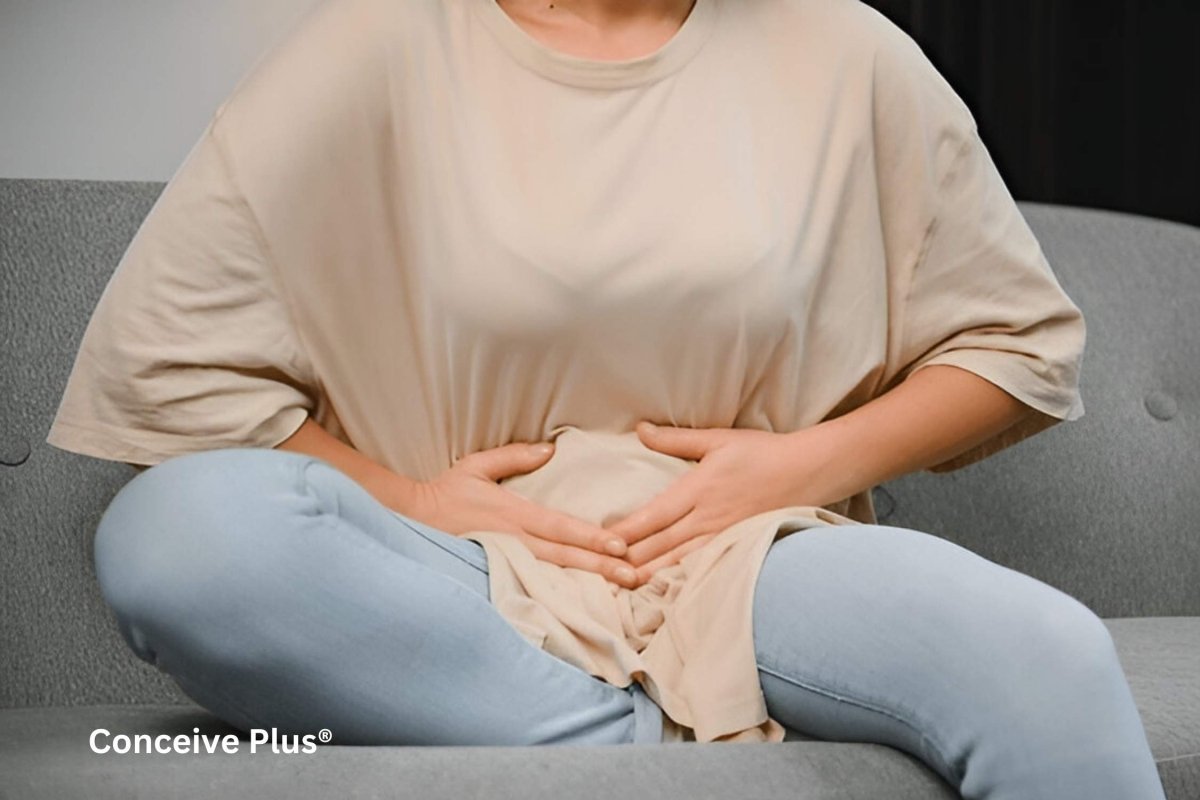
- Cramping: Cramping 4 dpo or cramps at 4 dpo can be a common experience as the body continues adjusting after ovulation. These cramps may feel similar to menstrual cramps and are typically caused by hormonal changes rather than implantation. If you experience cramping for 4 days after ovulation, it could be related to residual hormonal effects [1].
- Nausea: While nausea is more often linked to later stages of early pregnancy, some individuals report feeling queasy around 4 DPO. This 4dpo nausea or 4 dpo nausea could be a side effect of progesterone, which rises after ovulation.
- Discharge: Changes in cervical mucus are often observed throughout the menstrual cycle. At 4 DPO, some individuals notice a specific kind of discharge. The 4 dpo discharge if pregnant might appear different, possibly creamier or whiter than usual, due to hormonal shifts. However, this symptom alone doesn’t confirm pregnancy.
- Mood Swings and Fatigue: The rise in progesterone levels after ovulation can lead to mood swings and feelings of tiredness. Although not a definitive sign of pregnancy, fatigue is a common experience at 4 DPO, regardless of conception [2].
- Breast Sensitivity: Some may feel tenderness in their breasts due to post-ovulation hormonal changes. Increased progesterone can cause the breasts to feel fuller or more sensitive, which is often confused as an early pregnancy symptom.
4 DPO Symptoms: Can They Predict Pregnancy?
For many, tracking 4 DPO symptoms success stories can be both exciting and anxiety-inducing. While symptoms like 4 dpo cramping might feel promising, it’s important to remember that every person’s body is unique. Early symptoms vary widely and don’t always correlate with pregnancy.
Those who achieve a "BFP" (big fat positive) pregnancy test result often report mixed symptoms during the early DPO days, such as 4 dpo symptoms ending in bfp stories that include anything from mild cramping to no symptoms at all. Success stories at 4 DPO can inspire hope, but they aren’t a reliable indication of pregnancy just yet.


✨ Think You Might Be Pregnant?
Get fast, accurate results up to 6 days before your missed period with our early detection pregnancy test.
Shop Now — $9.80✓ Free shipping on orders over $40 | ✓ Trusted by millions of couples worldwide
4 DPO and Cramping: Is It an Implantation Sign?
Cramping at 4 DPO, though common, is rarely linked to implantation. Since implantation typically occurs closer to 6-12 DPO, cramping around 4 DPO is more likely due to ovulation itself or hormonal shifts post-ovulation. For some, “4 dpo and cramping” may feel significant, but it’s usually too early for implantation cramps specifically [3].
Taking a Pregnancy Test at 4 DPO: Is It Effective?
Testing for pregnancy as early as 4 DPO is unlikely to yield accurate results. Most home pregnancy tests detect hCG, a hormone that only rises significantly after implantation. For this reason, taking a 4dpo pregnancy test or a 4 dpo pregnancy test would likely result in a negative outcome, even if pregnancy has occurred, because hCG levels have not yet increased. Testing at this stage is often premature; waiting until at least 10-12 DPO is recommended for more reliable results. Using a DPO calculator can help you track your ovulation timeline, making it easier to determine the best time to take a pregnancy test for accurate results.
Early 4 DPO Symptoms Ending in BFP: What’s Possible?
While some individuals experience 4 DPO symptoms that eventually result in a positive pregnancy test, these early signs are typically not caused by pregnancy. For those who get a BFP later on, early symptoms like 4 dpo cramping or cramping 4dpo were likely due to the effects of progesterone rather than pregnancy itself.
Those following 4 dpo symptoms success stories may feel hopeful, but there’s a wide range of normal symptoms at this stage, whether pregnant or not. Some experience strong early symptoms, while others don’t notice any changes until several days later.
4 DPO: Discharge and Changes in Cervical Mucus
Observing discharge can sometimes offer insights into the body’s hormonal state. A "4 dpo discharge if pregnant" may appear thicker or creamier, while some may have minimal or no discharge at all. While changes in discharge are normal, they don’t confirm pregnancy. Instead, they signal that the body is responding to post-ovulation hormonal shifts.

Remaining Patient in Early Pregnancy Tracking
At 4 DPO, tracking symptoms like 4 days pregnant or cramps at 4dpo can be intriguing, but it’s important to be patient. Symptoms this early are inconclusive, as implantation hasn’t yet occurred. Those who may be 4 days before pregnant are still in the very early stages, where the body may not yet signal pregnancy.
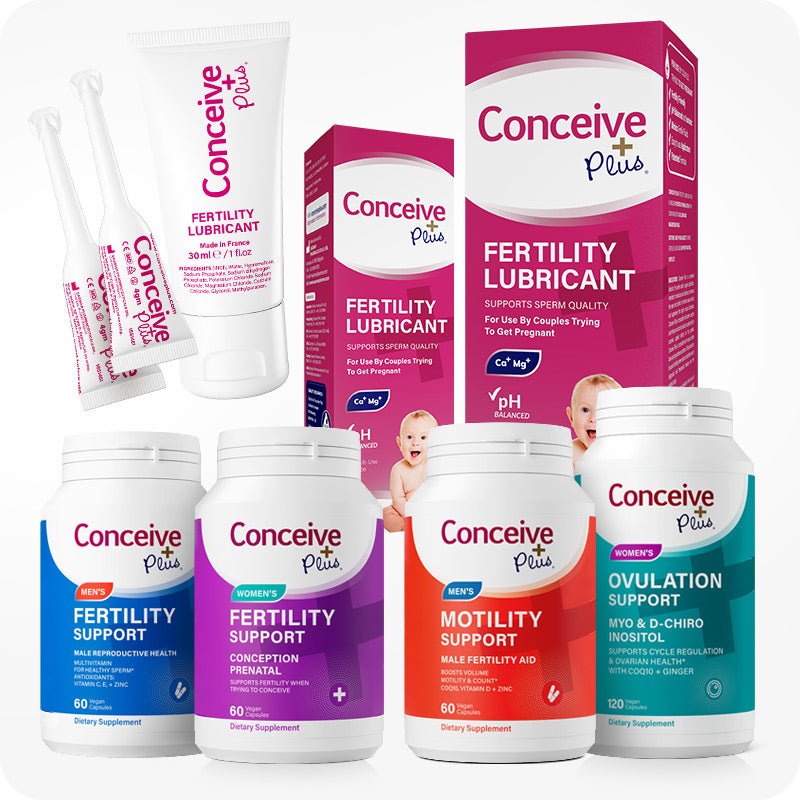
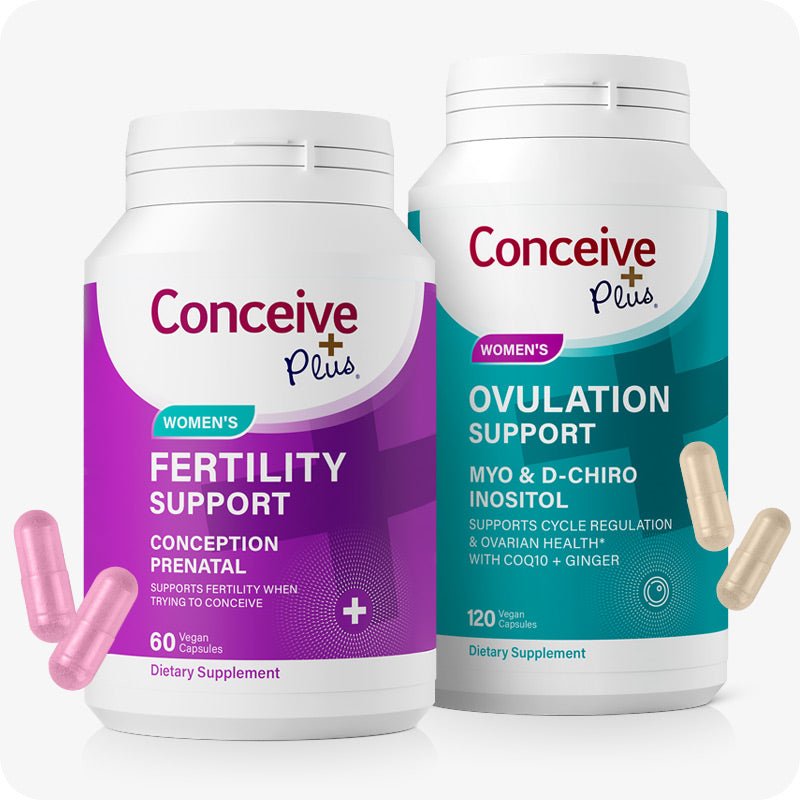
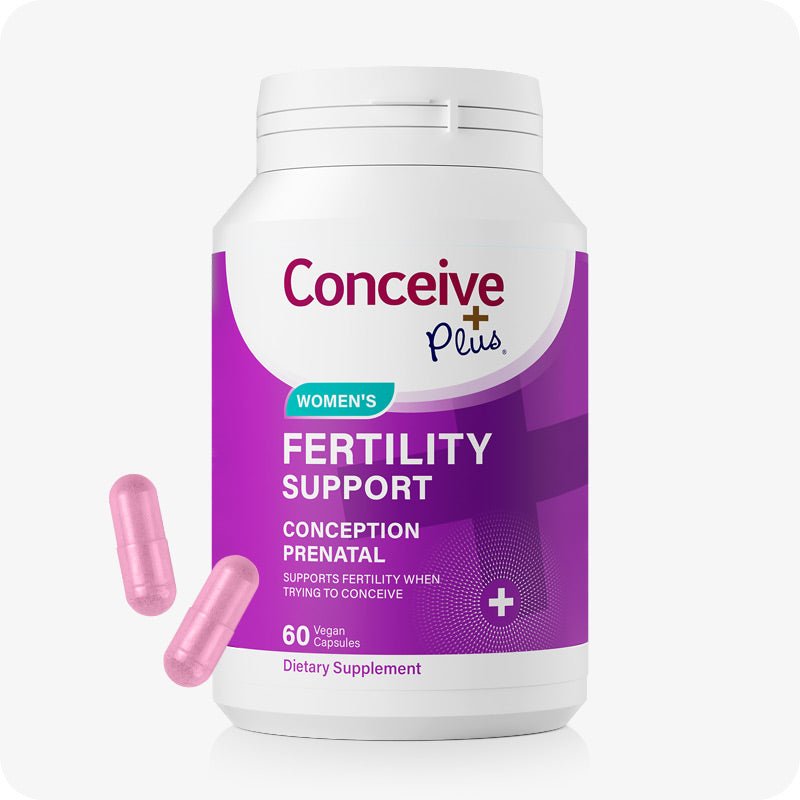
For those hoping for a BFP, waiting until closer to 10-12 DPO or around a missed period increases the chances of an accurate pregnancy test result. In the meantime, noting changes in symptoms like mild cramping, nausea, or discharge can be helpful for personal tracking but is not definitive proof of pregnancy. Incorporating fertility-focused supplements containing nutrients like folate, CoQ10, and myo-inositol during this phase can support overall reproductive health and create an optimal environment for implantation.
Final Thoughts
While 4DPO symptoms can provide hints about what’s happening in the body, it’s essential to keep expectations realistic. The first four days post-ovulation are usually too early for implantation or pregnancy confirmation. Mild 4 dpo cramping or other signs, while common, are often just part of the body’s normal cycle. Those eagerly awaiting a potential pregnancy should hold off on testing until hCG levels have had time to rise, generally closer to 10-14 DPO. In the meantime, monitoring symptoms can offer insights but shouldn’t be seen as a concrete indicator of pregnancy this early.
Resources
- E.W. Harville, A.J. Wilcox, D.D. Baird, C.R. Weinberg, Vaginal bleeding in very early pregnancy, Human Reproduction, Volume 18, Issue 9, September 2003, Pages 1944–1947, https://doi.org/10.1093/humrep/deg379
- Foxcroft KF, Callaway LK, Byrne NM, Webster J. Development and validation of a pregnancy symptoms inventory. BMC Pregnancy Childbirth. 2013 Jan 16;13:3. doi:10.1186/1471-2393-13-3. PMID: 23324494; PMCID: PMC3599678.
- American Pregnancy Association. (2015). Pregnancy symptoms—Early signs of pregnancy. Retrieved Nov 09, 2024, from https://americanpregnancy.org/healthy-pregnancy/are-you-pregnant/pregnancy-signs-symptoms/
Conceive Plus is the best place to buy myo-inositol online for the best myo-inositol supplements Conceive Plus Ovulation Support contains premium myo-inositol for sale. Order myo-inositol capsules online today to boost your ovulation and regulate hormones and menstrual cycles.
🌱 Get Answers Early
Millions of women trust Conceive Plus for their fertility journey. Clinically validated pregnancy tests delivered to your door.
Shop Pregnancy Tests →Frequently Asked Questions
Recommended by Fertility Experts
Conceive Plus Fertility Supplements
Science-backed vitamins and supplements expertly formulated to nourish your body and support reproductive health at every stage.
Shop Now →Can you get a positive pregnancy test at 4 DPO?
A positive pregnancy test at 4 DPO is extremely unlikely because hCG (human chorionic gonadotropin) levels are typically too low to detect at this stage. Most pregnancy tests, including those approved by the FDA, require hCG levels of at least 25 mIU/mL, which usually aren't reached until 8-14 DPO. The American Society for Reproductive Medicine (ASRM) recommends waiting at least 12-14 days after ovulation before testing for the most accurate results.
Is it normal to have cramping 4 days after ovulation if you're not pregnant?
Yes, absolutely. Cramping at 4 DPO is completely normal whether or not conception has occurred, as it's caused by post-ovulation hormonal shifts rather than implantation. The corpus luteum produces progesterone after ovulation, which can trigger cramping similar to menstrual cramps. If cramping persists beyond your typical cycle pattern or is severe, it's advisable to contact your healthcare provider.
What's the difference between 4 DPO symptoms and PMS symptoms?
At 4 DPO, symptoms like fatigue, mood swings, and breast tenderness are caused by rising progesterone levels and are virtually identical to PMS symptoms, making them indistinguishable at this early stage. The key difference is that PMS symptoms typically resolve once your period begins, while early pregnancy symptoms persist and may intensify. This is why fertility specialists recommend waiting until at least 12-14 DPO to look for pregnancy-specific indicators.
Should I avoid medications or caffeine at 4 DPO if I might be pregnant?
While it's generally prudent to be cautious with medications and excessive caffeine if you're actively trying to conceive, at 4 DPO the fertilized egg hasn't implanted yet, so exposures are unlikely to affect a potential pregnancy. However, if you're trying to conceive, it's best to consult with your healthcare provider about which medications and lifestyle factors are safe during the conception window. The FDA categorizes medications by pregnancy risk, so your doctor can recommend the safest options for your situation.
Does insurance cover early pregnancy testing or fertility monitoring at 4 DPO?
Insurance coverage for early pregnancy tests and fertility monitoring varies significantly by plan and state regulations, with some plans covering ovulation predictor kits and pregnancy tests while others require a prescription or medical necessity. Most major insurers cover initial fertility consultations and testing when medically indicated, though coverage for at-home testing kits is less common. We recommend contacting your insurance provider directly or speaking with a fertility clinic to understand your specific coverage options.
When should I contact a fertility specialist about 4 DPO symptoms?
You don't need to contact a fertility specialist specifically about 4 DPO symptoms, as these are normal post-ovulation experiences. However, if you've been trying to conceive for over a year (or 6 months if you're over 35), it's appropriate to seek evaluation from a board-certified reproductive endocrinologist listed with the American Society for Reproductive Medicine. If you experience severe pain, heavy bleeding, or other concerning symptoms at any point in your cycle, contact your primary care provider or OB-GYN.
Is tracking 4 DPO symptoms an effective way to confirm pregnancy?
No, tracking 4 DPO symptoms is not an effective method to confirm pregnancy because symptoms at this stage are indistinguishable from normal post-ovulation hormonal changes and cannot definitively indicate conception. The only reliable ways to confirm pregnancy are a blood test measuring hCG levels (which your doctor can order) or a urine pregnancy test taken at least 12-14 days after ovulation. Fertility tracking apps and symptom monitoring can be helpful for understanding your cycle, but they should not be relied upon as pregnancy confirmation tools.
Trusted by Couples in Over 70 Countries
Nourish Your Fertility With Science-Backed Supplements
The right nutrients at the right time can make a meaningful difference. Conceive Plus fertility supplements are expertly formulated with vitamins, minerals, and botanicals to support reproductive health for both men and women.
Shop Fertility Supplements →