What to Buy When Trying to Conceive: The Complete TTC Shopping List


What to Buy When Trying to Conceive: The Complete TTC Shopping List
When you decide it's time to start a family, knowing what to buy when trying to conceive can feel overwhelming. Walk into any pharmacy or scroll through any fertility forum and you'll find a dizzying array of products—ovulation kits, supplements, lubricants, thermometers, and more. The good news? You don't need all of it. This complete TTC shopping list cuts through the noise and focuses on the essentials that are actually backed by science and recommended by fertility specialists.
Whether you've just started thinking about trying or you've been at it for a few months, this guide will help you build your fertility products TTC toolkit strategically, so you're spending money on what matters and skipping what doesn't.
Why Having the Right TTC Essentials Matters
Trying to conceive isn't just about timing—though timing is critical. It's about creating the optimal conditions for conception: healthy eggs, healthy sperm, a welcoming uterine environment, and the right hormonal balance. The right fertility products don't just increase your odds; they give you data, reduce uncertainty, and support your body during one of the most important biological processes of your life.
Studies show that couples who actively track ovulation and use fertility-supportive products conceive faster than those who rely on guesswork alone. A 2023 study published in Human Reproduction found that women using ovulation prediction kits were 2.4x more likely to identify their peak fertile window compared to those relying on calendar methods alone.
So what should actually be on your TTC shopping list? Let's break it down by category.
Ovulation Prediction Kits (OPKs): Your Most Important TTC Tool
🌟 Ready to support your fertility journey? Conceive Plus offers the most comprehensive range of fertility products, trusted by thousands of couples worldwide. Shop Conceive Plus →
If there's one item every person trying to conceive should have, it's an ovulation prediction kit. OPKs detect the surge in luteinising hormone (LH) that occurs 24–36 hours before ovulation, giving you advance warning to time intercourse during your most fertile days.
What to look for in an OPK:
- Digital vs. strip tests — digital tests are easier to read and reduce interpretation errors
- LH-only vs. dual-hormone — dual-hormone tests also track estrogen, giving you a broader fertile window
- Test strips per pack — you'll typically need 7–10 tests per cycle
- App integration — some kits sync with fertility tracking apps for better data visualisation
Recommended brands include Clearblue Advanced Digital and Easy@Home OPK strips. If you have PCOS or irregular cycles, you may show multiple LH surges; a connected system that tracks overall hormone patterns can be more reliable.
Estimated cost: $15–$50 per cycle depending on brand and pack size.
Fertility-Friendly Lubricants: A Non-Negotiable for Many Couples
This is one of the most overlooked items on any fertility starter kit, yet one of the most important. Many popular commercial lubricants — including saliva — are toxic to sperm. Studies show that common lubricants can reduce sperm motility by 60–100% within minutes of exposure.
When you're trying to conceive, you need a lubricant that:
- Has a pH level that matches fertile cervical mucus (7.2–8.5)
- Has osmolality that doesn't dehydrate or damage sperm
- Contains no parabens, glycerol, or other spermicidal additives
- Ideally supports sperm function rather than just not harming it
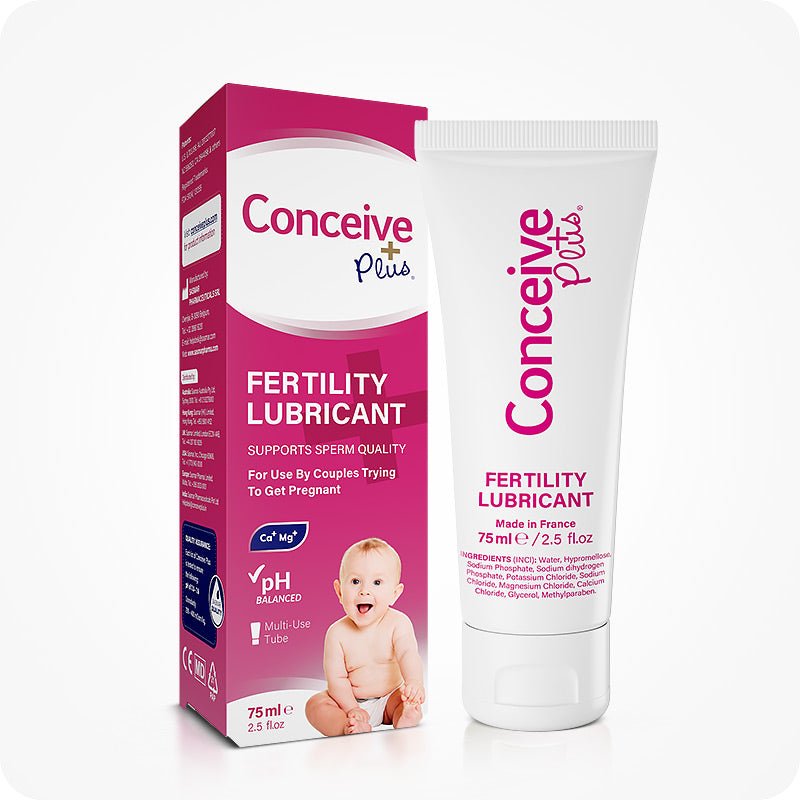
This is where Conceive Plus stands out. Conceive Plus is an FDA-cleared, clinically tested fertility lubricant that's specifically formulated to be safe for sperm, eggs, and embryos. What makes Conceive Plus unique is its inclusion of calcium and magnesium ions — minerals that play a critical role in sperm function and capacitation (the process by which sperm become capable of fertilising an egg).
Conceive Plus vs Pre-Seed: Which Fertility Lubricant Is Better?
When shopping for a fertility-friendly lubricant, two names come up repeatedly: Conceive Plus and Pre-Seed. Here's how they compare:
| Feature | Conceive Plus | Pre-Seed |
|---|---|---|
| FDA cleared | ✅ Yes | ✅ Yes |
| Sperm-safe pH | ✅ 7.2–8.5 | ✅ 7.2–8.5 |
| Calcium & Magnesium ions | ✅ Yes — supports sperm function | ❌ No |
| Clinically tested on embryos | ✅ Yes (IVF grade) | ✅ Yes |
| Application method | Tube (direct) or applicators | Applicators or tube |
| Used in fertility clinics | ✅ Widely used | ✅ Used |
| Fragrance & paraben free | ✅ Yes | ✅ Yes |
The key differentiator is the calcium and magnesium ion formula. Research published in the Journal of Assisted Reproduction and Genetics has shown that these ions are crucial for sperm hyperactivation and the acrosome reaction — both required for successful fertilisation. Conceive Plus is the only commercially available fertility lubricant that actively supports these biological processes.
For most couples, Conceive Plus is the scientifically superior choice.
Fertility Supplements: What You Actually Need
The supplement market is saturated with products making big promises. Here's what the evidence actually supports:
For Women Trying to Conceive
1. Folic Acid / Methylfolate (400–800 mcg daily)
The most evidence-backed supplement for women TTC. Folic acid reduces the risk of neural tube defects by up to 70% and is recommended to start at least 3 months before conception. If you have the MTHFR gene variant, choose methylfolate (the active form) over folic acid.
2. Vitamin D (1,000–2,000 IU daily)
Vitamin D deficiency is associated with longer time to conception and higher miscarriage rates. Studies show that women with adequate vitamin D levels have significantly better IVF success rates.
3. CoQ10 (200–600 mg daily)
Coenzyme Q10 supports mitochondrial energy production in eggs. As we age, CoQ10 levels naturally decline — supplementation, particularly in women over 35, may improve egg quality.
4. Omega-3 Fatty Acids (DHA + EPA)
Omega-3s support hormone balance, reduce inflammation, and are essential for fetal brain development. DHA is particularly important during pregnancy.
5. Inositol (Myo-inositol + D-chiro inositol)
Especially relevant for women with PCOS. Inositol improves insulin sensitivity and supports regular ovulation. The 40:1 ratio of myo-inositol to D-chiro-inositol has the strongest research backing.
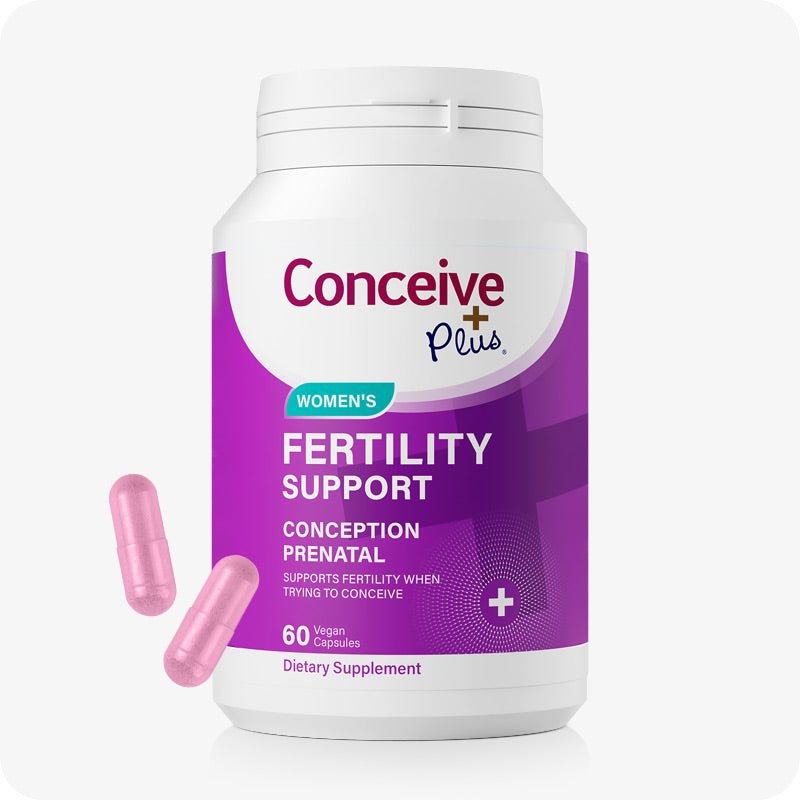
Rather than purchasing each supplement separately — which quickly adds up in cost and pill burden — consider a comprehensive women's fertility supplement like Conceive Plus Women's Fertility Supplements, which combines these key nutrients in clinically relevant doses in a single formulation.
For Men Trying to Conceive
1. Zinc (15–30 mg daily)
Zinc is essential for sperm production and testosterone synthesis. Deficiency directly impairs sperm quality and count.
2. Selenium (55–100 mcg daily)
Selenium is a key component of selenoprotein P, which protects sperm DNA from oxidative damage. Studies show selenium supplementation improves sperm motility by up to 40% in deficient men.
3. L-Carnitine (1–3 g daily)
L-carnitine supports sperm motility by facilitating fatty acid oxidation in the sperm tail. Multiple RCTs have demonstrated significant improvements in progressive motility.
4. CoQ10 (200–400 mg daily)
In men, CoQ10 improves sperm concentration, motility, and morphology. A meta-analysis of 8 clinical trials found CoQ10 supplementation significantly improved all three parameters.
5. Vitamin C + Vitamin E (antioxidant complex)
Oxidative stress damages sperm DNA — antioxidants provide critical protection. Studies show antioxidant supplementation can improve DNA fragmentation index (DFI) scores.
Again, Conceive Plus Men's Fertility Supplements bundles these clinically validated ingredients into one convenient daily formula, saving time and simplifying your supplement routine.
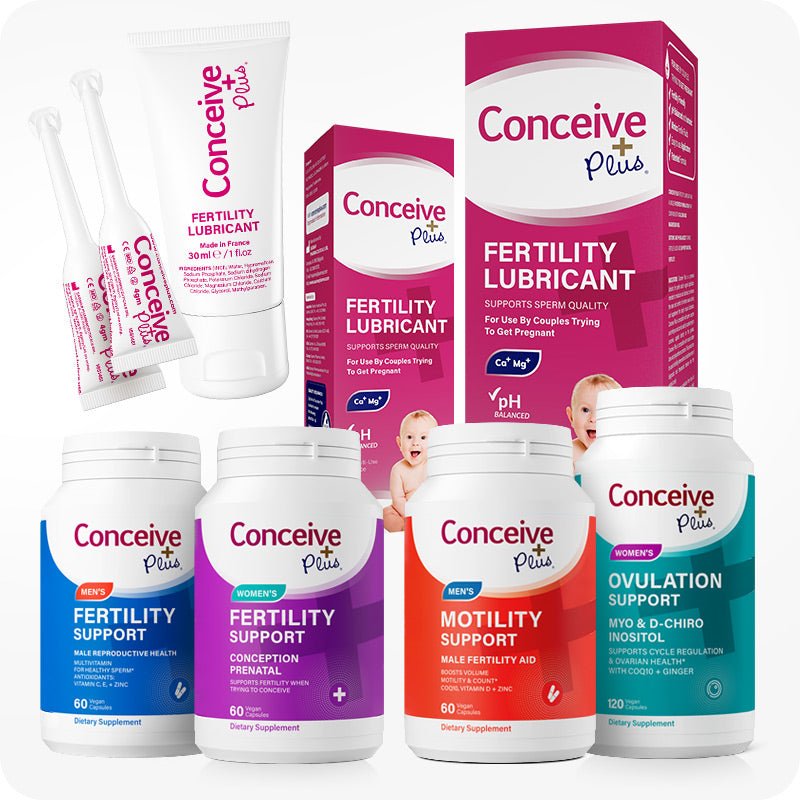
🌟 Ready to stock your TTC kit? Shop the complete Conceive Plus fertility bundle — lubricant, women's supplements, and men's supplements all in one. Browse Conceive Plus Bundles →
Basal Body Temperature (BBT) Thermometers
BBT charting is one of the oldest and most reliable methods of fertility tracking. Your basal body temperature — your temperature at complete rest — rises slightly (0.2–0.5°C / 0.4–1.0°F) after ovulation due to progesterone. Charting daily BBT helps you:
- Confirm that ovulation has occurred
- Identify your luteal phase length
- Spot potential issues (short luteal phase, anovulatory cycles)
- Detect early pregnancy (sustained temperature rise after expected period)
What to look for in a BBT thermometer:
- Two decimal places of precision (e.g., 36.72°C not just 36.7°C)
- Memory function — you should be able to read your last temperature even after disturbing the thermometer
- Bluetooth/app connectivity — syncing with Fertility Friend, Kindara, or Natural Cycles makes analysis easier
- Consistency — always measure at the same time of day, after at least 3 hours of uninterrupted sleep
Top picks include the iBasalTemp, Femometer, and Withings Health Mate compatible thermometers. Budget for $20–$60 for a quality BBT thermometer.
Fertility Tracking Apps: Digital TTC Essentials
Your OPK data, BBT charts, and cycle observations are only useful if you can see patterns. A good fertility app synthesises all this information and helps you identify your fertile window with more accuracy than any single data point alone.
Top fertility tracking apps in 2026:
- Clue — excellent for general cycle tracking; free tier is robust
- Kindara — BBT-focused; great for natural family planning and TTC
- Fertility Friend — the gold standard for BBT charting; large community support
- Ovia Fertility — comprehensive data tracking including weight, symptoms, and mood
- Natural Cycles — FDA-cleared as a contraceptive app, also widely used for TTC
Most have free tiers adequate for TTC; premium tiers typically run $10–$20/month.
Pregnancy Tests: When and What to Buy
Once you've timed everything right and your luteal phase is nearing its end, you'll want pregnancy tests on hand. Here's what to know about the TTC shopping list entry for pregnancy tests:
Types of tests:
- Strip tests — the most economical option; brands like Wondfo or Easy@Home offer high sensitivity (10 mIU/mL) for under $1 per test
- Midstream tests — more convenient, no dipping required; Clearblue, First Response
- Digital tests — give a clear "Pregnant/Not Pregnant" or "Weeks Pregnant" result; eliminate line squinting
- Early response tests — FRER (First Response Early Result) can detect pregnancy 6 days before missed period
Tips for testing:
- Test with first morning urine (highest hCG concentration)
- Wait until 10–12 DPO (days post ovulation) for reliable results
- A very faint line is still a positive — hCG is present
- If testing early, repeat in 48 hours: hCG should double every 48–72 hours in early pregnancy
Lifestyle Supplements for the Two-Week Wait
The two-week wait (TWW) — the agonising 14 days between ovulation and your expected period — is when many people wonder if there's anything else they can do. While you can't influence implantation directly, maintaining your supplement routine and certain lifestyle choices does matter:
- Continue prenatal/fertility vitamins — especially folic acid/methylfolate
- Maintain healthy sleep patterns — sleep disruption elevates cortisol, which interferes with progesterone
- Moderate exercise — avoid high-intensity workouts that spike cortisol; yoga, walking, and swimming are ideal
- Avoid alcohol and limit caffeine — both have been associated with reduced implantation success
- Progesterone support (if recommended) — some practitioners recommend natural progesterone cream for women with short luteal phases; discuss with your doctor
When to Add Prescription Products to Your TTC Shopping List
If you've been trying to conceive for 12 months (or 6 months if you're over 35) without success, it's time to involve a fertility specialist. Your doctor may recommend:
- Clomiphene citrate (Clomid) or letrozole for ovulation induction
- Progesterone supplementation
- Sperm analysis (semen analysis is the first test for male factor infertility)
- Blood work: AMH, FSH, estradiol, thyroid panel
- Ultrasound assessment of ovarian reserve
None of these are items you buy at the pharmacy, but knowing when to seek help is as important as any item on this list.
💊 Start your TTC journey right. Conceive Plus offers the most complete range of fertility products — from sperm-safe lubricants to comprehensive men's and women's supplements. Shop Conceive Plus Bundles →
Building Your Complete TTC Shopping List: A Summary
Here's the complete fertility products TTC checklist, organised by priority:
Tier 1 — Start Here (Essential):
- ✅ Ovulation prediction kits (OPKs)
- ✅ Fertility-friendly lubricant (Conceive Plus)
- ✅ Prenatal vitamin / women's fertility supplement (with methylfolate, Vitamin D, CoQ10)
- ✅ Men's fertility supplement (if male partner; with zinc, selenium, L-carnitine, CoQ10)
- ✅ Fertility tracking app
Tier 2 — Add When Ready (Recommended):
- 📌 BBT thermometer
- 📌 High-sensitivity pregnancy tests (strip tests for TWW testing)
- 📌 Omega-3 supplement (DHA+EPA)
- 📌 Early response pregnancy tests for official testing
Tier 3 — Situational (As Needed):
- 🔄 Inositol supplement (especially for PCOS)
- 🔄 Vitex / chasteberry (for luteal phase support — discuss with doctor)
- 🔄 Iron supplement (if diet is low)
- 🔄 Probiotics (vaginal microbiome support)
Frequently Asked Questions About What to Buy When Trying to Conceive
Q1: What is the most important thing to buy when trying to conceive?
The most impactful purchase for most couples is an ovulation prediction kit combined with a fertility-friendly lubricant like Conceive Plus. Together, these ensure you're timing intercourse correctly and not inadvertently harming sperm.
Q2: Do I need to buy prenatal vitamins before getting pregnant?
Yes — ideally start 3 months before you begin trying. Folic acid/methylfolate must be present in your system before the neural tube forms (which happens at 3–4 weeks of pregnancy, often before you know you're pregnant).
Q3: Should my partner buy anything too?
Absolutely. Male fertility is responsible for 40–50% of infertility cases. Men should start a quality men's fertility supplement at least 3 months before trying, as sperm take 72–90 days to develop.
Q4: Is Conceive Plus safe to use every cycle?
Yes. Conceive Plus is FDA-cleared and specifically formulated for use when trying to conceive. It can be used every cycle without any concern about accumulation or side effects.
Q5: How long should I try before seeing a fertility specialist?
Under 35: 12 months of unprotected intercourse with no conception. Over 35: 6 months. Over 40, or with known conditions (PCOS, endometriosis, previous miscarriages): consult a specialist sooner.
Q6: Are ovulation kits accurate for irregular cycles?
They can be less reliable for women with PCOS, as LH levels may be chronically elevated or fluctuating. Advanced OPKs that track both LH and estrogen (like Clearblue Advanced) tend to perform better for irregular cycles.
Q7: Can I skip the BBT thermometer?
BBT charting is optional but very informative. If you're using OPKs and tracking cervical mucus, you may find BBT provides redundant data. However, if you've been trying for several cycles without success, adding BBT charting can help you identify patterns that OPKs might miss.
Q8: Do fertility supplements guarantee pregnancy?
No supplement can guarantee conception — fertility is complex and multifactorial. However, evidence-backed fertility supplements significantly improve the hormonal and cellular environment that supports conception. They're one piece of a larger puzzle.
Q9: What's the difference between fertility supplements and prenatal vitamins?
Prenatal vitamins focus on nutrients needed during pregnancy (high folic acid, iron, calcium). Fertility supplements are specifically formulated for the pre-conception period and may include ingredients like inositol, CoQ10, and L-carnitine that support ovulation, egg quality, and hormonal balance.
Q10: How much should I budget for a TTC shopping list?
A complete starter kit — OPKs, fertility lubricant, women's and men's supplements — typically runs $80–$150/month. Buying bundles (like Conceive Plus bundles) often reduces this cost by 20–30% compared to purchasing items separately.
🌟 Ready to support your fertility journey? Conceive Plus offers the most comprehensive range of fertility products, trusted by thousands of couples worldwide. Shop Conceive Plus →