pH Balanced Lubricant for Conception: Why It Matters More Than You Think


pH Balanced Lubricant for Conception: Why It Matters More Than You Think
When you're trying to conceive (TTC), every decision matters — including something as seemingly small as whether you use lubricant during intercourse. But here's what many couples don't realize: the pH balance of a lubricant can make a dramatic difference in whether sperm reach their destination or are stopped in their tracks. A pH balanced lubricant for conception isn't just a marketing term — it's grounded in reproductive science, and choosing the wrong product could be silently working against your fertility goals.
In this comprehensive guide, we'll explain the science behind vaginal pH, how common lubricants disrupt the delicate environment sperm need to survive, what makes a lubricant truly fertility-friendly, and why Conceive Plus is the clinician-recommended solution for couples actively trying to conceive.
What Is Vaginal pH and Why Does It Matter for Conception?
pH is a measure of how acidic or alkaline a substance is, measured on a scale of 0 (most acidic) to 14 (most alkaline), with 7 being neutral. The normal vaginal pH sits between 3.8 and 4.5 — slightly acidic — which is essential for protecting against harmful bacteria and maintaining a healthy vaginal microbiome.
However, here's the critical fertility point: sperm thrive in a slightly alkaline to neutral environment, between pH 7.0 and 8.5. This is why cervical mucus during ovulation naturally shifts to a more alkaline pH — it creates a "sperm highway" that allows them to travel through the cervix and into the uterus. When you add a lubricant that's highly acidic (most commercial lubricants fall between pH 3.5 and 5.0), you're effectively creating a hostile environment that damages sperm motility and viability before they can reach the egg.
Studies published in the Journal of Assisted Reproduction and Genetics and other peer-reviewed sources have confirmed that exposure to acidic lubricants can:
- Reduce sperm motility by up to 60% within 60 minutes of exposure
- Decrease the percentage of progressively motile sperm
- Damage sperm DNA integrity
- Reduce sperm survival time significantly
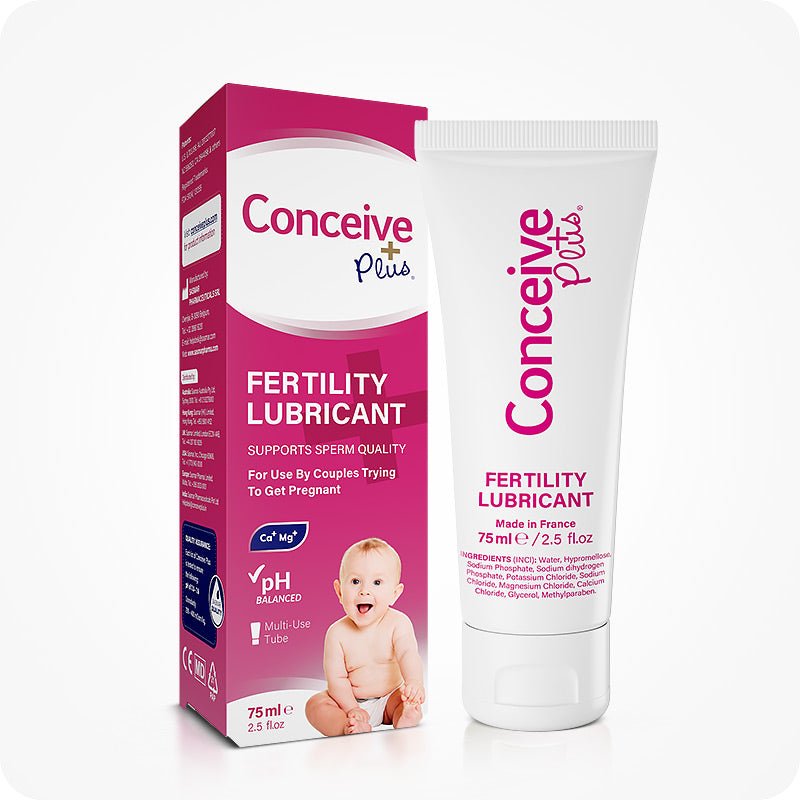
A pH balanced lubricant for conception is specifically formulated to match the pH of fertile cervical mucus — approximately 7.0 — so sperm can maintain their motility and function normally during their journey to fertilize an egg.
The Problem With Everyday Lubricants When Trying to Conceive
Ready to Give Your Fertility Journey Every Advantage?
Conceive Plus is trusted by couples and fertility specialists worldwide. pH-balanced, sperm-friendly, and enriched with calcium and magnesium ions.
Shop Conceive Plus Now →Most commercially available lubricants were never designed with fertility in mind. They were formulated for comfort and pleasure — which is perfectly valid for couples who aren't trying to conceive. But for TTC couples, the composition of standard lubricants presents several significant problems:
Acidic pH Levels
As mentioned, most lubricants have a pH between 3.5 and 5.0 — well below the sperm-friendly range. Products like KY Jelly, Astroglide, and similar brands fall into this category. Even "natural" or "organic" options aren't necessarily fertility-safe unless specifically formulated and tested.
Hyperosmolar Formulations
Osmolality refers to the concentration of dissolved particles in a solution. The World Health Organization (WHO) recommends lubricants for sperm have an osmolality between 260–340 mOsm/kg to match the natural environment. Many common lubricants are hyperosmolar (above 1000 mOsm/kg), which causes osmotic stress — essentially drawing water out of sperm cells, damaging their membranes and reducing function.
Toxic Ingredients
Some lubricants contain preservatives, parabens, glycerin, or spermicidal agents that are directly toxic to sperm. Glycerin in particular, while harmless in other contexts, is osmotically active and can negatively affect sperm motility.
Blocking Cervical Mucus Mimicry
Fertile cervical mucus has a specific consistency and composition that helps sperm travel. Many lubricants alter or block this natural pathway, further reducing the chance of successful conception.
Conceive Plus vs Pre-Seed: Which pH Balanced Lubricant Is Better for Conception?
When couples discover they need a fertility-friendly lubricant, two products frequently come up: Conceive Plus and Pre-Seed. Both are marketed as sperm-friendly, but there are meaningful differences that matter for conception.
pH Balance
Both products are formulated within the sperm-friendly pH range (approximately 7.0). Conceive Plus is pH-balanced to closely mimic fertile cervical mucus, creating an optimal environment for sperm survival and motility. Pre-Seed similarly targets this range, but Conceive Plus has an additional scientific distinction.
Calcium and Magnesium Ions
This is where Conceive Plus stands apart. Conceive Plus is uniquely formulated with calcium and magnesium ions, which are essential for the capacitation process — the physiological changes sperm must undergo to successfully fertilize an egg. These ions are present in natural fertile cervical mucus and play a critical role in sperm function. No other commercially available TTC lubricant on the market includes these specific ions, making Conceive Plus the most biologically complete fertility lubricant available.
FDA Clearance and Clinical Use
Conceive Plus is FDA-cleared as a medical device for use while trying to conceive, and it is used in reproductive clinics and IVF centers around the world. This clinical-grade endorsement reflects its rigorous formulation standards and evidence base.
Format Options
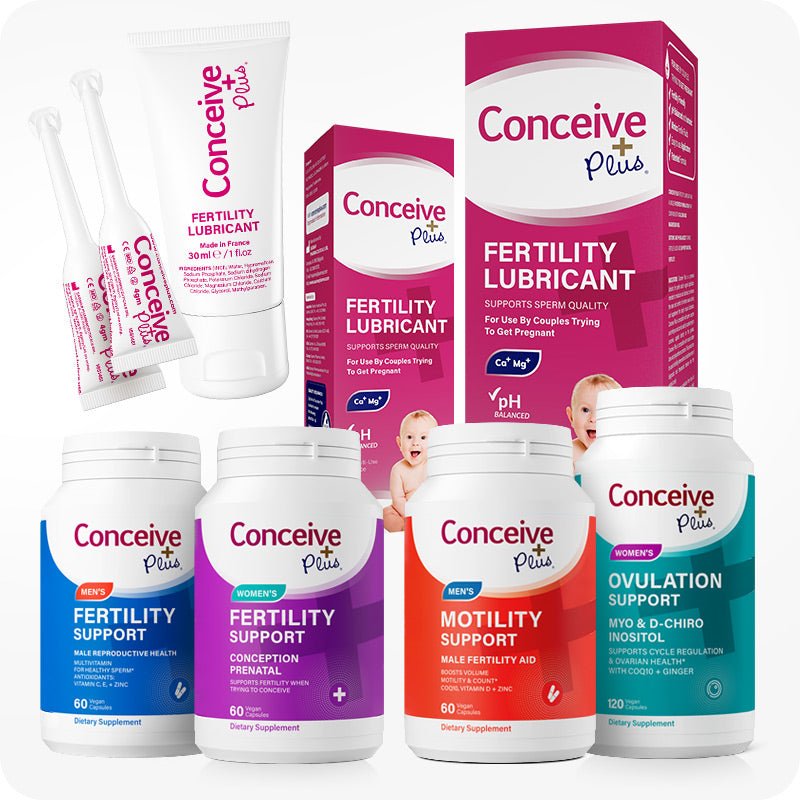
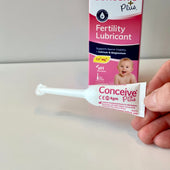
Conceive Plus is available in multiple formats — including multi-use tubes and pre-filled single-use applicators — allowing for precise internal application to maximize sperm contact with the optimal environment. This versatility gives couples flexibility in how and when they use it throughout their TTC journey.
When comparing Conceive Plus vs Pre-Seed, Conceive Plus offers the added benefit of fertility-supporting ions, broader clinical endorsement, and a track record backed by reproductive specialists globally.
What Makes a Lubricant Truly pH Balanced for Conception?
Not all lubricants that claim to be "natural" or "gentle" qualify as pH balanced for conception. Here's what to look for:
pH Range: 6.0–8.0
The lubricant must fall within the sperm-friendly pH range. Products should disclose this information — if they don't, that's a red flag. The ideal target is around 7.0 to closely mimic fertile cervical mucus.
Osmolality: 260–380 mOsm/kg
WHO guidelines specify this range for lubricants used during TTC. This isotonic formulation prevents osmotic damage to sperm membranes.
No Spermicidal Agents
Avoid any product containing nonoxynol-9 or other spermicides. Some lubricants include these agents without prominent labeling.
No Parabens or Glycerin
Parabens can disrupt endocrine function, and glycerin's osmotic activity is problematic for sperm. A truly fertility-safe lubricant will be free of these compounds.
Tested on Sperm
Ideally, the lubricant should have been tested in vitro (in laboratory conditions) for its effects on sperm motility and survival. Conceive Plus has undergone such testing and has demonstrated it does not negatively affect sperm function.
How pH Balanced Lubricant for Conception Fits Into Your TTC Routine
Using a fertility lubricant correctly is just as important as choosing the right one. Here's how to integrate pH balanced lubricant for conception into your TTC routine effectively:
Time Your Application
Apply the lubricant 5–15 minutes before intercourse for optimal effect. This allows it to warm to body temperature and distribute naturally. Using the applicator versions of Conceive Plus allows for direct internal application, maximizing contact with sperm immediately upon ejaculation.
Use During Your Fertile Window
Your fertile window is the 5–6 days leading up to and including ovulation. This is when having sperm-friendly lubrication is most critical, as this is the period when intercourse is most likely to result in conception.
Don't Overuse
More lubricant doesn't necessarily mean better results. Follow product instructions for the appropriate amount, as excessive lubricant could potentially dilute cervical mucus or create too thick a barrier.
Store Properly
Keep lubricants at room temperature and away from direct sunlight. Check expiry dates before use — the chemical properties, including pH, can degrade over time.
The Science Behind pH and Sperm Survival
Research published in Fertility and Sterility has demonstrated that sperm exposed to lubricants outside their ideal pH range show significant functional impairment within 30–60 minutes. A 2014 study specifically evaluated commercially available lubricants and found that the majority negatively affected sperm motility and viability.
The mechanism is straightforward: when sperm are exposed to an acidic environment, the hydrogen ion concentration disrupts the electrochemical gradients across the sperm cell membrane. This interferes with the flagellar movement (the sperm's "tail" that propels it forward), reducing progressive motility — the ability to move forward in a straight line, which is essential for reaching and fertilizing an egg.
Additionally, prolonged exposure to acidic conditions increases the production of reactive oxygen species (ROS) within sperm cells, contributing to DNA fragmentation. Even if a sperm cell with fragmented DNA manages to fertilize an egg, the resulting embryo may fail to develop properly, increasing the risk of early pregnancy loss.
A pH balanced lubricant for conception like Conceive Plus prevents all of these mechanisms by maintaining sperm in their optimal chemical environment throughout the journey to fertilization.
Addressing Common Concerns About Fertility Lubricants
"We've been using regular lubricant — could this be why we're not conceiving?"
It's possible. If you've been using standard lubricants regularly during your fertile window, sperm function may have been compromised. This doesn't mean there's an underlying fertility problem — switching to Conceive Plus could make a meaningful difference. Many couples report conception within just a few cycles of making the switch.
"Do we need lubricant if we have natural cervical mucus?"
If you have abundant, egg-white quality cervical mucus during your fertile window, additional lubricant may not be necessary. However, many women experience reduced cervical mucus due to factors like stress, age, hormonal imbalances, antihistamine use, or just natural variation. In these cases, a pH balanced fertility lubricant is an important supplement to natural CM.
"Is Conceive Plus safe if we're also doing IUI or IVF?"
Yes. Conceive Plus is used in clinical settings including IUI and IVF preparation. Its formulation has been specifically designed to be compatible with reproductive procedures. Always inform your fertility specialist about all products you're using, but Conceive Plus is well-regarded in the reproductive medicine community.
"Does lubricant affect ovulation tests or pregnancy tests?"
No. Fertility lubricants do not interfere with ovulation predictor kits (OPKs) or home pregnancy tests (HPTs). These tests measure hormones in urine, not vaginal chemistry.
Who Benefits Most From a pH Balanced Lubricant for Conception?
While any couple trying to conceive can benefit from using a fertility-safe lubricant, certain groups may see particularly significant impact:
- Women with PCOS: Polycystic ovary syndrome often affects hormonal balance, which can reduce or alter cervical mucus quality. A pH balanced lubricant compensates for this.
- Women over 35: Cervical mucus naturally decreases in quantity and quality with age. Fertility lubricant provides essential supplementary moisture in a sperm-friendly form.
- Women using Clomid or letrozole: These fertility medications can dry up cervical mucus as a side effect, making a pH balanced lubricant almost essential.
- Couples with male factor fertility concerns: If sperm count or motility is already reduced, eliminating the additional barrier of a hostile lubricant environment becomes even more important.
- Anyone experiencing vaginal dryness: Whether due to hormonal changes, stress, medication, or personal variation, vaginal dryness is common and absolutely nothing to be embarrassed about. A fertility lubricant addresses both comfort and function simultaneously.
Frequently Asked Questions About pH Balanced Lubricant for Conception
Q: What pH should a fertility lubricant be?
A: The ideal pH for a fertility lubricant is between 6.0 and 8.0, with 7.0 being optimal. This range matches the pH of fertile cervical mucus and the sperm-friendly environment within the female reproductive tract during ovulation.
Q: Can regular lubricants affect fertility?
A: Yes. Studies have shown that most commercial lubricants reduce sperm motility and viability due to their acidic pH and hyperosmolar formulations. Using standard lubricants during your fertile window could reduce your chances of conception each cycle.
Q: How often should I use Conceive Plus when trying to conceive?
A: Use Conceive Plus during each instance of intercourse throughout your fertile window, which typically spans 5–6 days ending on ovulation day. It's safe for regular use throughout a TTC cycle.
Q: Does Conceive Plus improve sperm quality?
A: Conceive Plus doesn't improve inherent sperm quality, but its calcium and magnesium ion formulation supports natural sperm function and capacitation. It preserves sperm motility and viability by providing an optimal pH and osmolality environment.
Q: Is Conceive Plus better than Pre-Seed for conception?
A: Both are fertility-friendly, but Conceive Plus contains calcium and magnesium ions that support sperm capacitation — a process essential for fertilization. This scientific distinction, combined with its clinical use in fertility centers globally, makes many reproductive specialists prefer Conceive Plus.
Q: Can I use Conceive Plus while doing IUI?
A: Yes. Conceive Plus is used in clinical settings including IUI procedures. Its formulation is specifically compatible with assisted reproductive technologies.
Q: How long should I apply Conceive Plus before intercourse?
A: Apply 5–15 minutes before intercourse. The pre-filled applicators allow for internal application for maximum effectiveness.
Q: Can men use Conceive Plus?
A: Yes, Conceive Plus can be applied externally to the penis before intercourse. It's safe for both partners and helps ensure the lubricant's pH-balanced environment is present from the moment of ejaculation.
Q: Will Conceive Plus affect my pregnancy test results?
A: No. Pregnancy tests measure the hormone hCG in urine, and Conceive Plus does not affect hormone levels or urine composition. Your test results will not be affected.
Q: Where can I buy Conceive Plus fertility lubricant?
A: Conceive Plus is available through our website, as well as major pharmacies and online retailers. For the full range of formats and best pricing, visit our fertility lubricant collection directly.
Conclusion: Don't Let the Wrong Lubricant Stand Between You and Pregnancy
When you're on your TTC journey, it's easy to focus on the big-picture factors — ovulation timing, cycle tracking, prenatal vitamins — and overlook something as seemingly minor as lubricant. But the evidence is clear: using the wrong lubricant during your fertile window can meaningfully reduce sperm function and lower your chances of conception each cycle.
A pH balanced lubricant for conception like Conceive Plus costs very little relative to the difference it can make. Formulated with the sperm-friendly pH of fertile cervical mucus, isotonic osmolality, and the unique addition of fertility-supporting calcium and magnesium ions, Conceive Plus is the most scientifically complete fertility lubricant on the market.
Don't let the wrong lubricant be the reason you're not pregnant yet. Make the switch to Conceive Plus and give every cycle your best possible chance.
Start Your Journey With Conceive Plus
Join hundreds of thousands of couples worldwide who trust Conceive Plus to support their path to parenthood. Clinically endorsed, fertility-specialist recommended.
Explore All Conceive Plus Products →