Ovulation Test vs Ovulation Calculator: Which Is More Accurate for TTC?


Ovulation Test vs Ovulation Calculator: Which Is More Accurate for TTC?
When you're trying to conceive, knowing precisely when you ovulate can make all the difference. The debate between using an ovulation test vs ovulation calculator is one every TTC couple faces — and understanding which method works best for your body could be the key to finally seeing that positive pregnancy test. In this comprehensive guide, we'll break down exactly how each method works, what the science says, and how pairing the right approach with the right ovulation support supplement can maximise your chances.
What Is an Ovulation Calculator and How Does It Work?
An ovulation calculator estimates your fertile window based on the first day of your last menstrual period (LMP) and your average cycle length. The standard assumption is that ovulation occurs approximately 14 days before your next period — putting it around day 14 of a 28-day cycle.
Most apps and online calculators use this simple formula:
- Fertile window: approximately 5 days before ovulation + ovulation day itself
- Peak fertility: the 2 days leading up to ovulation and ovulation day
- Luteal phase assumed: 14 days (fixed)
The limitation? This approach only works reliably if you have a perfectly regular 28-day cycle — which the majority of women do not. Research published in the journal Human Reproduction found that fewer than 15% of women ovulate precisely on day 14, and cycle lengths naturally vary between 21 and 35 days, even in women with generally regular periods.
Factors that can shift your ovulation date include:
- Stress (physical or emotional)
- Illness or fever
- Changes in weight
- Travel and time-zone shifts
- Hormonal fluctuations
- Conditions like PCOS
In short, ovulation calculators are a useful starting point, but they should not be your sole method of tracking.
What Is an Ovulation Test and How Does It Work?
Ready to take the next step in your fertility journey?
Shop Conceive Plus →Ovulation tests (also called ovulation predictor kits or OPKs) detect the surge in luteinising hormone (LH) that triggers the release of a mature egg from the follicle. This LH surge typically occurs 24–36 hours before ovulation, giving you advance warning of your most fertile hours.
There are several types of ovulation tests available:
Standard LH Strip Tests
These are urine-based strips that produce a positive result when LH exceeds a threshold (typically 20–25 mIU/mL). They're inexpensive and widely available, but require you to visually compare line intensity — which some women find confusing.
Digital Ovulation Tests
These display a clear smiley face or digital readout when LH surges, removing the ambiguity of line comparison. Brands like Clearblue also test for oestrogen (E2) rise, providing an extended fertile window indicator in addition to peak fertility.
Advanced Hormone Monitors
Devices such as the Clearblue Fertility Monitor or Mira track both oestrogen and LH, mapping your entire hormonal pattern and identifying high AND peak fertility days — up to 6 fertile days per cycle.
Ovulation Test vs Ovulation Calculator: Head-to-Head Accuracy
When comparing the ovulation test vs ovulation calculator, the research is fairly clear. A 2020 study in Fertility and Sterility found that calendar-based methods correctly predicted ovulation within ±2 days only 54% of the time in women with regular cycles — dropping significantly for those with variable cycles.
In contrast, LH-based ovulation tests have an accuracy rate of 97–99% in detecting the LH surge when used correctly. Since sperm can survive in the female reproductive tract for 3–5 days and an egg is viable for only 12–24 hours after ovulation, timing intercourse around the confirmed LH surge dramatically improves pregnancy odds.
| Method | Accuracy | Cost | Ease of Use | Best For |
|---|---|---|---|---|
| Ovulation Calculator | ~54% (regular cycles) | Free | Very easy | Initial planning |
| Standard OPK Strips | ~97% | Low (£0.20–£1/strip) | Moderate | Daily tracking |
| Digital OPK | ~99% | Medium | Easy | Clear results |
| Advanced Monitors | ~99%+ | High | Easy | PCOS/irregular cycles |
When to Use an Ovulation Calculator (and When Not To)
Ovulation calculators are best used as a complement to physical testing, not a replacement. Here's when they make sense:
- Starting out: Before you invest in OPKs, a calculator can help you understand roughly when in your cycle to start testing
- Planning around travel or work commitments: Knowing your approximate fertile window lets you plan logistics
- Tracking over time: If you log cycles consistently, calculators become more accurate as they learn your personal pattern
However, avoid relying solely on a calculator if you:
- Have irregular periods (varying by more than 7 days)
- Have been diagnosed with PCOS
- Are over 35, when cycle patterns may shift
- Have recently stopped hormonal contraception
- Are breastfeeding
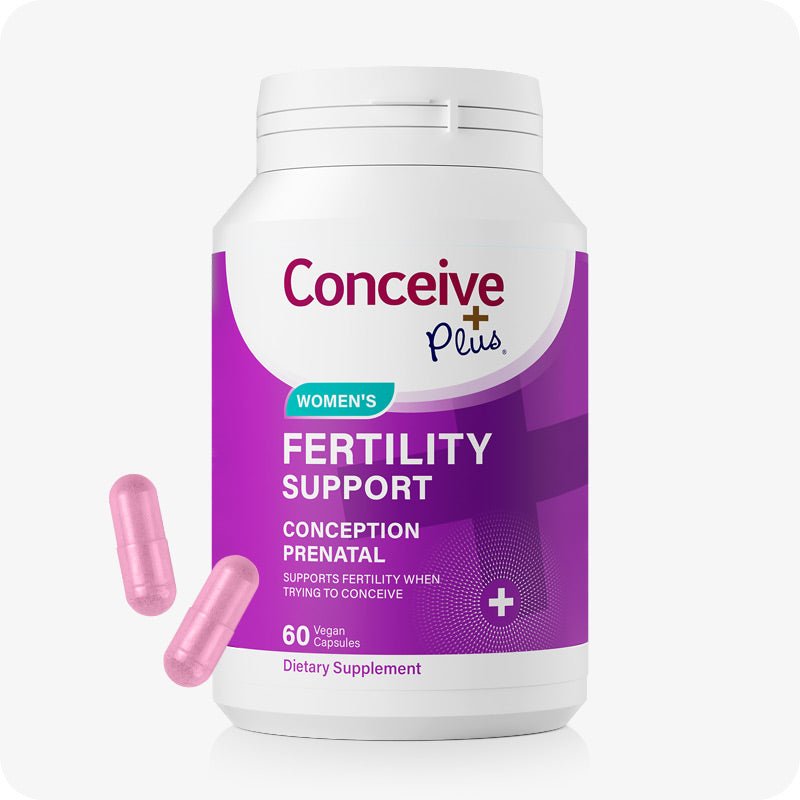
Whether you're tracking with tests or calculators, what's happening inside your body matters just as much. Conceive Plus Ovulation Support supplements are formulated with Myo-Inositol, D-Chiro Inositol, folate, and vitamin D to help regulate your cycle and support healthy ovulation naturally.
Explore Conceive Plus Fertility Supplements →
Combining Both Methods: The Smarter TTC Strategy
The most effective approach to ovulation tracking combines the predictive power of a calculator with the real-time accuracy of an ovulation test. Here's a proven protocol:
- Day 1 of period: Log cycle start in your preferred app
- Day 8–10: Begin testing with OPKs (earlier if you have a short cycle; start day 5–6 for cycles under 25 days)
- Test twice daily: Around 10am and again between 2–8pm — LH surges typically rise in the morning and are detectable in urine by midday
- Positive OPK result: Have intercourse that day and the following day for maximum effectiveness
- Log your result: Note the surge day to refine your calculator's predictions over time
Research from the National Institute of Environmental Health Sciences found that couples who timed intercourse around the confirmed LH surge had a 33–36% per-cycle pregnancy rate — significantly higher than those using calendar methods alone.
The Role of Ovulation Support Supplements in TTC
Even perfect ovulation tracking won't help if ovulation itself is disrupted or egg quality is compromised. This is where targeted ovulation support becomes crucial — and it's something that Conceive Plus has built its women's formula around.
Key nutrients that support healthy ovulation include:
Myo-Inositol
Extensively researched for its role in insulin signalling and FSH receptor sensitivity, Myo-Inositol has been shown in multiple randomised trials to improve ovulation frequency, particularly in women with PCOS. A 2019 Cochrane review found it significantly improved ovulation rates compared to placebo.
D-Chiro Inositol
Working synergistically with Myo-Inositol at a 40:1 ratio (as found in Conceive Plus Ovulation Support), D-Chiro Inositol helps reduce androgens and improve hormonal balance — key for regular, predictable ovulation.
Folate (Methylfolate)
Essential before conception, folate supports DNA synthesis and cell division. The active form, methylfolate (5-MTHF), is more bioavailable than folic acid and is preferred for women with MTHFR gene variants.
Vitamin D
Vitamin D deficiency is associated with anovulation (absence of ovulation). Studies show vitamin D supplementation improves menstrual regularity and pregnancy rates in deficient women.
CoQ10
A powerful mitochondrial antioxidant, CoQ10 improves egg quality by supporting energy production in oocytes. This is particularly important for women over 35, where mitochondrial function naturally declines.
Ovulation Test Tips: Getting the Most Accurate Results
To maximise the accuracy of your ovulation test vs ovulation calculator comparison, follow these evidence-based tips for OPK use:
- Test at consistent times: Aim for the same time window each day — midday to early afternoon is optimal
- Limit fluids before testing: Don't drink large amounts of water 2 hours before testing, as diluted urine may miss a surge
- Don't test first morning urine: Unlike pregnancy tests, LH tests are most accurate midday
- Read results within 10 minutes: Line intensity can change after the reading window
- Use multiple tests if results are ambiguous: Test twice daily during your expected peak window
- Know your baseline: Some women naturally have elevated LH (especially with PCOS), making standard thresholds unreliable — digital monitors are better in these cases
Signs You May Not Be Ovulating (And What to Do)
If months of consistent ovulation test use shows no LH surge, or your ovulation calculator window consistently passes without symptoms, you may be experiencing anovulatory cycles. Signs to watch for:
- Consistently negative OPKs across a full cycle
- Very light or absent periods
- No mid-cycle cramping or mittelschmerz
- No fertile cervical mucus (clear, stretchy, egg-white consistency)
- Basal body temperature (BBT) that never shows the post-ovulation rise
If you suspect anovulation, speak with your GP or a reproductive endocrinologist. In the meantime, optimising your nutritional status with Conceive Plus ovulation support nutrients — particularly inositols — may help regulate your cycle.
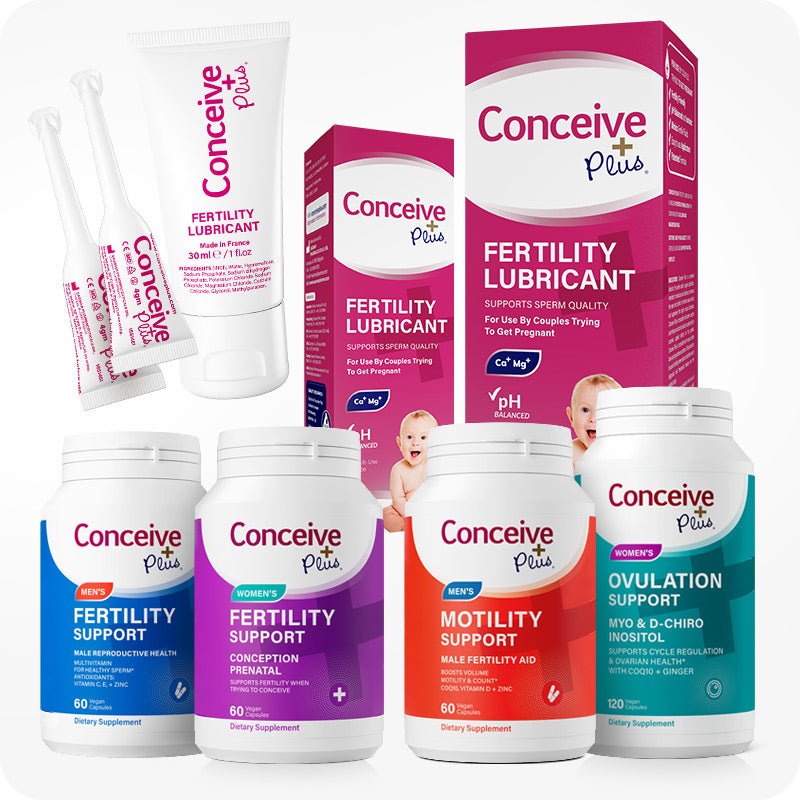
Conceive Plus Women's Fertility Support and Ovulation Support supplements are trusted by thousands of women on their TTC journey. Formulated with clinically studied doses of inositols, folate, CoQ10, and vitamin D — everything your cycle needs in one place.
Shop Conceive Plus Fertility Supplements →
Frequently Asked Questions
Is an ovulation test or ovulation calculator more accurate?
Ovulation tests (OPKs) are significantly more accurate than calculators. OPKs detect your actual LH surge with ~97–99% accuracy, while calculators estimate ovulation based on average cycle patterns — correct only about 54% of the time.
Can I get pregnant using just an ovulation calculator?
Yes, it's possible — many people have. But your chances are considerably better when you confirm ovulation with an LH test. The calculator helps you know when to start testing; the OPK tells you exactly when you're fertile.
How early should I start taking ovulation tests?
For a typical 28-day cycle, start testing from day 10. For shorter cycles (e.g., 24 days), begin around day 6. For longer cycles (35+ days), start around day 17.
Can stress affect ovulation test results?
Yes. Stress can delay or suppress ovulation, meaning your LH surge may come later than expected — or not at all in a given cycle. This is one reason why relying on a calendar-based calculator alone can be misleading.
How does an ovulation support supplement help?
Supplements like Conceive Plus Ovulation Support provide targeted nutrients (inositols, folate, CoQ10, vitamin D) that support hormonal balance, follicle development, and egg quality — helping your body ovulate more reliably so your tracking efforts pay off.
Do I need to use ovulation tests every month?
If you have regular cycles and are early in your TTC journey, you may not need to test every cycle. However, for irregular cycles, PCOS, or after six months without success, consistent OPK use combined with ovulation support supplements is strongly advisable.
Can PCOS affect ovulation test results?
Yes. Women with PCOS may have chronically elevated LH, making standard OPK strips unreliable (constant positives) or confusing. Advanced hormone monitors that track both oestrogen and LH patterns are more reliable for PCOS.
What's the difference between peak and high fertility on digital tests?
"High fertility" indicates rising oestrogen levels — the body is preparing to ovulate. "Peak fertility" confirms the LH surge is underway. Both are important timing windows, with peak being the most critical 24–36-hour window.
Should I have sex every day during my fertile window?
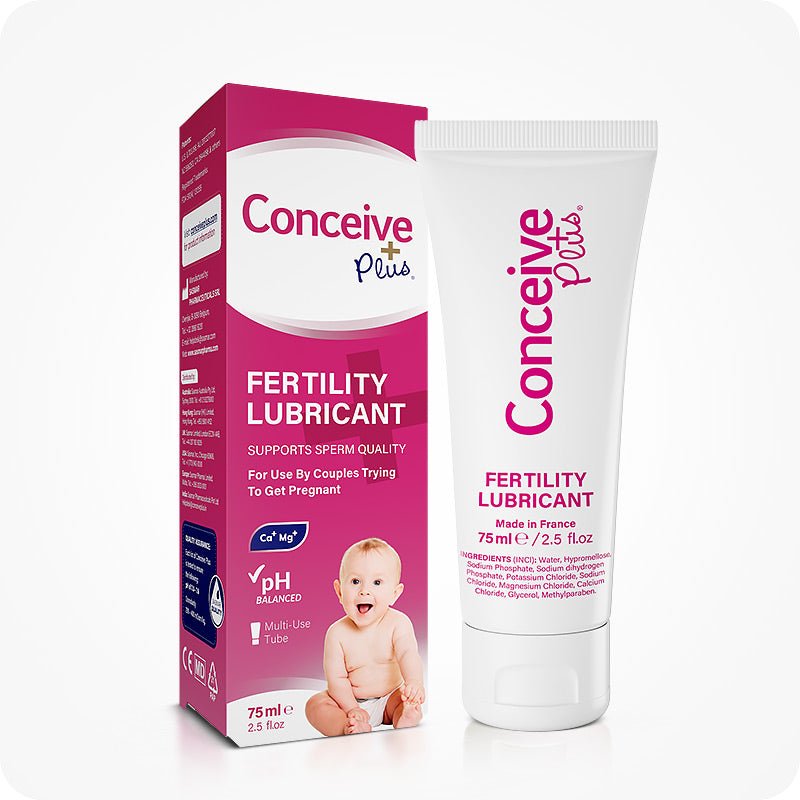
Every other day is generally recommended to allow sperm count to replenish, unless a semen analysis shows high counts — in which case daily intercourse during the peak 2–3 days is fine. Conceive Plus lubricant is pH-balanced and sperm-friendly if comfort is a concern.
How long should I track before seeing a doctor?
If you're under 35 and have been trying for 12 months, or over 35 and tried for 6 months, it's time to consult a fertility specialist — even if your ovulation tests appear normal.
Start Your Journey with Conceive Plus
Join thousands of couples who've trusted Conceive Plus to support their fertility naturally. Science-backed. Clinically formulated.
Explore All Products →