Male Fertility: The Complete Guide to Understanding and Improving Sperm Health


When couples face challenges conceiving, the conversation has historically centred on women's health. Yet male factor infertility accounts for approximately 40–50% of all infertility cases, according to the World Health Organization. Understanding male fertility — from the mechanics of sperm production to the lifestyle changes that can dramatically improve outcomes — is essential for any couple trying to conceive. This comprehensive guide covers everything men need to know about their fertility, the key parameters clinicians measure, and proven strategies to optimise sperm health.
Understanding How Sperm Are Produced
Sperm production, or spermatogenesis, is a continuous process that takes place in the seminiferous tubules of the testes. Unlike women, who are born with all their eggs, men produce millions of new sperm every day throughout their reproductive lives. A full sperm production cycle takes approximately 74 days, which is a critical figure because it means that lifestyle changes you make today will begin to affect sperm quality roughly two to three months from now.
Sperm development begins with spermatogonia — stem cells that divide and differentiate through several stages. Under the influence of follicle-stimulating hormone (FSH) and luteinising hormone (LH) from the pituitary gland, as well as testosterone produced in the Leydig cells of the testes, these cells mature into spermatozoa. Once formed, sperm travel through the epididymis — a coiled tube behind each testicle — where they mature further and gain the ability to swim. The entire journey from stem cell to mature sperm takes about 90–100 days.
Temperature regulation is vital to this process. The testes are located outside the body precisely because sperm production requires temperatures 2–4°C lower than core body temperature. Conditions or habits that raise scrotal temperature — such as wearing tight underwear, spending long periods in hot tubs, or placing laptops on the lap — can temporarily impair sperm production.
Key Sperm Parameters: What the Numbers Mean
Support Your Sperm Health Today
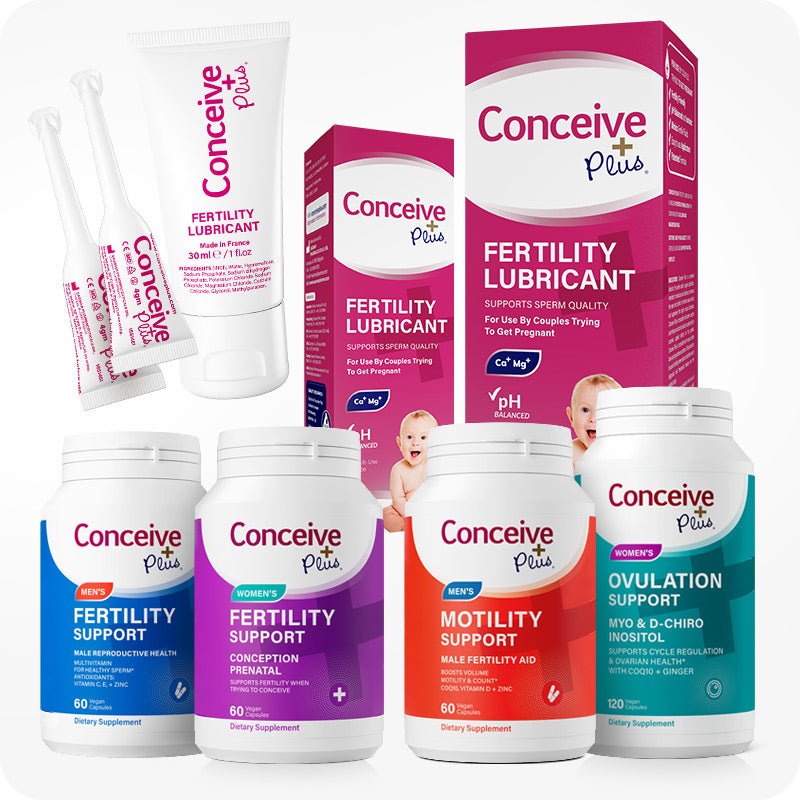
Conceive Plus Men's Fertility Support is formulated with clinically studied nutrients including CoQ10, zinc, selenium, and vitamin C — designed to support healthy sperm count, motility, and morphology.
When a man undergoes a semen analysis — the primary diagnostic tool for male fertility — clinicians evaluate several key parameters. The World Health Organization's 2021 reference values provide the thresholds below which fertility may be compromised.
Sperm concentration refers to the number of sperm per millilitre of semen. The WHO lower reference limit is 16 million per millilitre. A total sperm count below 39 million per ejaculate is considered low and may affect conception chances.
Motility describes the percentage of sperm that are moving. Total motility (all moving sperm) should be at least 42%, while progressive motility — sperm swimming forward in a straight or large-circle pattern — should be at least 30%. Poor motility, or asthenozoospermia, is one of the most common causes of male subfertility.
Morphology refers to the shape and structure of sperm. Under Kruger's strict criteria, at least 4% of sperm should be of normal form. Sperm with abnormal shapes — such as large heads, double tails, or bent necks — may be unable to penetrate an egg.
Volume: a normal ejaculate is between 1.4 and 7.6 ml. Very low volume may indicate a blockage or problems with the seminal vesicles.
DNA fragmentation is an increasingly recognised parameter. High levels of DNA strand breaks in sperm are associated with lower fertilisation rates, poor embryo quality, increased miscarriage risk, and IVF failure — even when standard semen parameters appear normal. A sperm DNA fragmentation index (DFI) below 15% is generally considered optimal.
Lifestyle Factors That Impact Male Fertility
Research consistently demonstrates that lifestyle choices exert a profound influence on sperm health. The good news is that many of these factors are modifiable.
Diet and nutrition play a central role. The Mediterranean diet — rich in antioxidants, healthy fats, whole grains, and lean proteins — has been associated with better sperm parameters in multiple studies. Antioxidants are particularly important because sperm cells are uniquely vulnerable to oxidative stress. A 2019 meta-analysis published in Andrology found that dietary antioxidant supplementation significantly improved sperm motility and concentration. Key nutrients include zinc (found in oysters, pumpkin seeds, and beef), selenium (Brazil nuts, tuna), vitamin C (citrus, peppers), vitamin E (nuts, seeds), folate (leafy greens), and coenzyme Q10 (CoQ10), found in organ meats and oily fish.
Exercise at moderate intensity improves testosterone levels, reduces oxidative stress, and supports healthy sperm parameters. However, excessive endurance exercise — particularly prolonged cycling — may have a negative effect due to scrotal heat and pressure. Resistance training in moderation is generally beneficial.
Smoking is unambiguously harmful to sperm. Cigarette smoke contains thousands of toxic compounds that damage sperm DNA, reduce motility, and lower sperm count. Men who smoke have significantly higher DNA fragmentation indices than non-smokers. Quitting smoking — even just three months before trying to conceive — can meaningfully improve sperm quality.
Alcohol consumption, particularly heavy drinking, disrupts the hormonal axis that controls sperm production and is associated with reduced testosterone, poor morphology, and lower sperm counts. Moderate consumption (up to 14 units per week in the UK) appears less harmful, but abstinence or minimal consumption is advisable when trying to conceive.
Recreational drugs, including cannabis, cocaine, and anabolic steroids, all negatively impact male fertility. Anabolic steroids are particularly damaging — they suppress the body's own testosterone and FSH production, leading to drastically reduced or absent sperm production. Recovery after steroid use can take many months or even years.
Stress activates the hypothalamic-pituitary-adrenal axis and elevates cortisol, which suppresses testosterone production. Chronic stress is associated with reduced sperm quality. Mindfulness, yoga, adequate sleep, and social support can help manage stress effectively.
Sleep is when much of the body's testosterone is produced. Men who sleep fewer than six hours per night have been shown to have lower testosterone levels and poorer sperm parameters than those sleeping seven to nine hours.
The Role of Age in Male Fertility
While male fertility decline is less abrupt than female menopause, age does affect sperm quality. Research published in Fertility and Sterility found that after age 40, men show significant declines in sperm motility and morphology, as well as increases in sperm DNA fragmentation. Studies have shown that children born to fathers over 45 have higher rates of certain neurodevelopmental conditions, including autism spectrum disorder and schizophrenia, likely related to accumulating genetic mutations in ageing sperm stem cells — a phenomenon called de novo mutations.
This does not mean older men cannot father healthy children — many do. However, the trend underscores the importance of not indefinitely delaying family planning and of optimising sperm health regardless of age.
Medical Causes of Male Infertility
Sometimes poor sperm parameters have underlying medical causes that require treatment. Common conditions include:
- Varicocele: Enlarged veins in the scrotum (like varicose veins) that raise testicular temperature and impair sperm production. Present in approximately 15% of all men and 40% of infertile men, varicocele is the most common surgically correctable cause of male infertility. Surgical repair or embolisation can significantly improve sperm parameters.
- Hormonal imbalances: Low FSH, LH, or testosterone — from conditions such as hypogonadotropic hypogonadism — can be treated with hormonal therapies.
- Obstructive azoospermia: A blockage in the vas deferens or epididymis preventing sperm from reaching the ejaculate. May result from prior vasectomy, infection, or congenital absence of the vas deferens (common in men with cystic fibrosis gene mutations).
- Infections: STIs such as chlamydia or gonorrhoea can cause scarring and blockages. Orchitis (testicular inflammation) from mumps can permanently damage sperm-producing tissue.
- Genetic conditions: Klinefelter syndrome (XXY chromosomes), Y-chromosome microdeletions, and other genetic factors can cause non-obstructive azoospermia or severe oligospermia.
- Antisperm antibodies: In some men, the immune system produces antibodies that attack and immobilise sperm, reducing fertilisation capacity.
Supplements That Support Male Fertility
A growing body of evidence supports the use of targeted nutritional supplements to improve sperm parameters, particularly in men with suboptimal baseline values.
Coenzyme Q10 (CoQ10) is a powerful antioxidant found in the inner mitochondrial membrane of cells. Sperm cells have an exceptionally high density of mitochondria in the midpiece, which power the tail's whip-like motion. A 2013 Cochrane review found that CoQ10 supplementation significantly improved sperm motility and concentration in infertile men. Typical dosages studied range from 200–600 mg daily.
Zinc is essential for testosterone synthesis, sperm formation, and the integrity of the sperm's genetic material. Zinc deficiency is associated with hypogonadism, low sperm count, and poor motility. Studies show supplementation at 66–220 mg daily can improve sperm density and motility in deficient men.
Selenium is incorporated into selenoproteins that protect sperm from oxidative damage. The sperm midpiece contains selenoprotein phospholipid hydroperoxide glutathione peroxidase (PHGPx), which is critical for sperm structural integrity. Low selenium intake correlates with poor motility.
Folate and vitamin B12: Folate is involved in DNA synthesis and methylation. A deficiency can increase sperm DNA fragmentation. Vitamin B12 supports healthy sperm production and motility. Studies combining these B vitamins have shown improved sperm parameters.
L-carnitine is highly concentrated in the epididymis and plays a key role in sperm energy metabolism. Supplementation at 2–3 g daily has been shown in multiple randomised controlled trials to improve motility in men with asthenozoospermia.
Vitamin D: Receptors for vitamin D are found on sperm cells and in testicular tissue. Men with adequate vitamin D levels tend to have better sperm motility. Supplementation is advisable in men with confirmed deficiency.
Omega-3 fatty acids: DHA (docosahexaenoic acid) is a major structural component of sperm cell membranes and the acrosome — the cap that allows sperm to penetrate an egg. Studies have found associations between higher DHA levels and better morphology and motility.
When to Seek Help and What to Expect
Couples are generally advised to seek medical advice if they have been trying to conceive for 12 months without success (or 6 months if the female partner is over 35). However, men should not wait to take a proactive role. A semen analysis is a quick, non-invasive, and relatively inexpensive first step. Results are typically available within a few days.
If the semen analysis reveals abnormalities, the next step is usually a consultation with a urologist or andrologist who specialises in male reproductive medicine. Further investigation may include blood tests for FSH, LH, testosterone, and prolactin; scrotal ultrasound to look for varicocele; genetic testing; and a sperm DNA fragmentation test.
Even men with severe oligospermia (very low sperm count) or azoospermia (no sperm in ejaculate) may be able to father biological children through assisted reproductive technologies (ART) such as IVF with intracytoplasmic sperm injection (ICSI), in which a single sperm is injected directly into an egg. In non-obstructive azoospermia, sperm may sometimes be retrieved directly from the testes via a biopsy procedure.
Frequently Asked Questions About Male Fertility
How long does it take to improve sperm quality?
Because the sperm production cycle takes approximately 74–90 days, any lifestyle changes, supplement regimens, or medical treatments you begin today will take roughly three months to have their full effect on the sperm you ejaculate. This means that if you and your partner are trying to conceive, it is worth starting to optimise your health at least three months in advance. Most studies on supplements and lifestyle interventions measure outcomes at the 3-month mark, which aligns with this biological reality. Patience and consistency are key — short-term changes will not produce immediate results, but sustained effort over a full sperm cycle can produce measurable improvements in count, motility, morphology, and DNA integrity.
Can tight underwear really affect sperm?
Yes, this is supported by evidence. A 2018 study published in Human Reproduction by researchers at Harvard T.H. Chan School of Public Health found that men who wore boxer shorts had 25% higher sperm concentration and 17% higher total sperm count compared to men who wore tight-fitting underwear. The mechanism is straightforward: tighter underwear holds the testes closer to the body, raising scrotal temperature. Since optimal sperm production requires temperatures 2–4°C below core body temperature, sustained elevation impairs spermatogenesis. Switching to looser-fitting underwear is a simple and cost-free change that may help — particularly for men who already have borderline sperm parameters.
Does a vasectomy permanently end fertility?
A vasectomy is intended to be permanent, but reversal (vasovasostomy) is possible. Success rates for reversal depend heavily on how much time has passed since the original vasectomy — the longer the interval, the lower the success rate due to increasing rates of antisperm antibody formation and epididymal pressure changes. Reversals performed within 3 years have success rates of over 75%, while those performed after 15 years may have success rates below 30%. As an alternative to reversal, men who have had a vasectomy can have sperm retrieved directly from the epididymis or testes for use in IVF/ICSI, which bypasses the need for reversal entirely.
Is it true that heat from laptops or hot baths reduces sperm count?
Both can temporarily elevate scrotal temperature. Placing a laptop directly on the lap has been shown in studies to raise scrotal temperature by 2–3°C within 10–15 minutes — enough to impair spermatogenesis. Similarly, frequent use of hot tubs or saunas (temperatures above 38°C) has been associated with temporary reductions in sperm count and motility. These effects are generally reversible once the heat source is removed, with sperm quality recovering over the subsequent 2–3 months. Using a laptop stand, avoiding prolonged hot baths, and limiting sauna use are reasonable precautions when actively trying to conceive.
Can a man be fertile even with a low sperm count?
Yes. While a higher sperm count improves the statistical probability of conception, natural pregnancy is possible with counts well below the WHO reference values, particularly if the sperm that are present have good motility and morphology. Even men with fewer than 5 million sperm per ml (severe oligospermia) have fathered children naturally. The relationship between sperm count and fertility is probabilistic, not absolute. Other parameters — especially motility, morphology, and DNA integrity — may matter as much as or more than raw count for fertilisation success.
How accurate is an at-home sperm test?
Consumer at-home sperm tests have improved significantly and can provide a useful initial screening tool. Most measure sperm count and some now measure motility as well. However, they typically cannot assess morphology, DNA fragmentation, or other important parameters. A clinical semen analysis performed at an accredited laboratory by trained technicians following WHO standardised protocols remains the gold standard. At-home tests may flag clear problems and prompt a man to seek professional evaluation sooner, but a normal at-home result should not be taken as a complete reassurance of fertility.
Can stress alone cause infertility in men?
Stress alone is rarely the sole cause of clinical infertility, but chronic psychological stress does measurably affect sperm quality. Stress hormones — particularly cortisol — can suppress GnRH, LH, and testosterone, indirectly impairing spermatogenesis. Oxidative stress pathways activated by psychological stress can also increase sperm DNA fragmentation. Multiple studies have linked high-stress occupations, exam periods, and traumatic life events to temporary deterioration in semen parameters. Managing stress through exercise, mindfulness, adequate sleep, and social connection is valuable both for fertility and overall health.
Are anabolic steroids the only drugs that harm sperm?
No. While anabolic steroids are among the most damaging — suppressing the body's own testosterone and FSH production, often leading to azoospermia — many other substances negatively affect sperm. Cannabis use has been associated with reduced sperm count and abnormal morphology. Cocaine interferes with sperm motility and may cause DNA damage. Opioids suppress the hypothalamic-pituitary-gonadal axis. Certain prescription medications including chemotherapy drugs, some antidepressants, antifungals (like ketoconazole), cimetidine, and calcium channel blockers can also impair sperm production or function. Men taking any prescription medication should discuss its potential impact on fertility with their doctor before trying to conceive.
What is sperm DNA fragmentation and why does it matter?
Sperm DNA fragmentation refers to strand breaks or damage in the DNA packaged inside the sperm's head — the genetic blueprint that will be passed to the child. High DNA fragmentation (a fragmentation index above 25–30%) is associated with lower fertilisation rates, poor embryo quality, increased risk of miscarriage, and reduced success rates in IUI and IVF — even when conventional sperm parameters like count and motility appear normal. DNA fragmentation increases with age, smoking, exposure to environmental toxins, heat, and oxidative stress. It can be tested via the sperm chromatin structure assay (SCSA), TUNEL assay, or other methods. Reducing oxidative stress through antioxidant supplementation, smoking cessation, and heat avoidance can help lower fragmentation levels.
When should I see a specialist about male fertility?
You should consider seeing a urologist or andrologist who specialises in male reproductive medicine if: a semen analysis reveals any abnormal parameters; you have a history of testicular injury, infection, surgery (including hernia repair), or undescended testicles; you have been diagnosed with a varicocele; you notice a lump or pain in the testes; or a couple has been trying to conceive for 12 months (6 months if the female partner is over 35) without success. You do not need to wait for a couple's infertility workup to get your semen analysis — it is a simple first step you can take independently and early in the conception journey.
Support Your Sperm Health Today
Conceive Plus Men's Fertility Support is formulated with clinically studied nutrients including CoQ10, zinc, selenium, and vitamin C — designed to support healthy sperm count, motility, and morphology.