Age and Fertility: Understanding the Biological Clock and What You Can Do About It


How Age Affects Female Fertility
Age is one of the most significant factors influencing fertility for women. Unlike men, who produce new sperm throughout their lives, women are born with all the eggs they will ever have — approximately 1-2 million at birth, declining to around 300,000 by puberty and fewer than 1,000 by menopause. This natural decline in both egg quantity and quality is the core of the biological clock. Research published in Fertility and Sterility shows that a healthy 30-year-old woman has approximately a 20% chance of conceiving per menstrual cycle, compared to less than 5% by age 40. The American Society for Reproductive Medicine confirms that fertility begins to gradually decline in the late 20s, with a more rapid decline after age 35 and a steep drop after 40. As women age, remaining eggs are more likely to have chromosomal abnormalities. By age 40, approximately 70-80% of eggs may be chromosomally abnormal, compared to about 20-30% at age 30. This explains the increased risk of miscarriage — from approximately 15% in women under 35 to over 50% in women over 45.
Male Fertility and Age
While the decline in male fertility is more gradual, age still plays a meaningful role. A comprehensive study in Maturitas found that men over 40 have a significantly increased risk of fertility difficulties, with longer time-to-pregnancy and lower pregnancy rates per cycle compared to men under 30. Semen analysis parameters show subtle but measurable changes with age. Sperm motility decreases by approximately 0.5-1% per year after age 40, and DNA fragmentation in sperm increases. A meta-analysis in Andrology found that men over 40 had a 23% increased risk of time-to-pregnancy exceeding 12 months. Advanced paternal age has been linked with increased risks of certain conditions in offspring. This does not mean older fathers cannot have healthy children — most do — but understanding these risks helps couples make informed family-planning decisions.
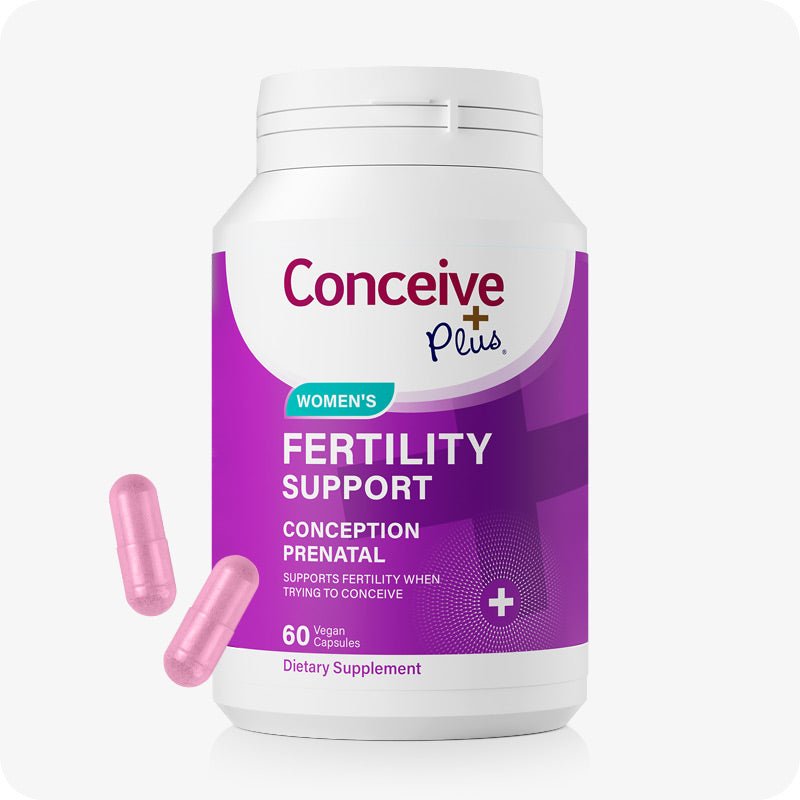
💙 Conceive Plus Prenatal — daily prenatal vitamin with methylated folate, CoQ10, omega-3 DHA and active B vitamins for egg quality and implantation support. Learn more →
Fertility Preservation Options
Egg freezing has become increasingly popular for women who wish to preserve their fertility while pursuing education, career goals, or waiting for the right partner. The technology has advanced significantly since ASRM removed the experimental label in 2013. Success rates are strongly correlated with age at freezing. SART data shows that women who freeze their eggs before age 35 have the highest likelihood of future live birth. The process involves 10-14 days of ovarian stimulation, followed by a minor outpatient procedure to retrieve eggs. Eggs are vitrified and stored in liquid nitrogen. Annual storage fees typically range from $500-1,000. While egg freezing does not guarantee future pregnancy, it significantly improves the odds compared to relying on eggs of advanced maternal age.
Lifestyle Strategies to Support Fertility
Regardless of your age, certain lifestyle modifications can optimise your fertility potential. A study in Human Reproduction Update found that women following a Mediterranean diet rich in fruits, vegetables, whole grains, healthy fats, and lean protein had higher pregnancy rates. Specific beneficial nutrients include folate, omega-3 fatty acids, vitamin D, and CoQ10. Maintaining a healthy body weight is crucial. Both underweight (BMI under 18.5) and overweight (BMI over 25) women experience higher rates of ovulatory dysfunction. The Harvard Nurses' Health Study found that women with BMI between 20-24 had the lowest risk of ovulatory infertility. Stress management deserves serious attention. A 2022 meta-analysis found that women with high stress had 29% lower pregnancy rates. Incorporating mindfulness, yoga, or moderate exercise can improve both fertility outcomes and overall well-being.
Supplements That Support Fertility Across Age Groups
As fertility declines with age, targeted nutritional support becomes even more important. CoQ10 is one of the most researched supplements for age-related fertility. A randomised controlled trial found that women over 35 who supplemented with CoQ10 showed improved ovarian response and higher egg quality markers. A comprehensive prenatal supplement with methylated folate (not just folic acid), CoQ10, omega-3 DHA, and active B vitamins provides the foundational support needed as egg quality naturally declines. Methylfolate is particularly important because up to 40-60% of women have MTHFR genetic variations that limit folic acid conversion. For men over 40, zinc and selenium are critical for sperm DNA integrity. Research in the European Journal of Nutrition found that 30mg daily zinc significantly reduced sperm DNA fragmentation in men over 40.
When to Seek Help: Testing and Treatment
Current guidelines recommend that women under 35 try for 12 months before seeking fertility evaluation, women over 35 after 6 months, and women over 40 seek immediate evaluation. Basic fertility testing includes ovarian reserve testing (AMH, FSH, antral follicle count), semen analysis, and assessment of fallopian tube patency. Treatment options range from ovulation induction with oral medications to IUI and IVF. Success rates for IVF are strongly age-dependent — women under 35 have approximately 50-55% live birth rate per embryo transfer, declining to about 10-15% for women over 42 using their own eggs, according to 2022 SART data.
Frequently Asked Questions
At what age does female fertility start to decline?
Female fertility begins a gradual decline in the late 20s, with a more noticeable decline after age 35 and a steep acceleration after age 40.
Can men father children at any age?
Men can father children into their 50s and beyond, but after 40 sperm quality measurably decreases.
What supplements are best for fertility after 35?
CoQ10, methylated folate, vitamin D, omega-3 DHA, and active B vitamins are particularly important for women over 35.
Does IVF success depend on age?
Absolutely. Women under 35 have approximately 50-55% live birth per embryo transfer, dropping to about 10-15% for women over 42.
Can CoQ10 help with age-related fertility decline?
Clinical research shows CoQ10 improves mitochondrial function in eggs, with improved ovarian response in women over 35.
Is egg freezing effective for preserving fertility?
Most effective when done before age 35. It does not guarantee pregnancy but significantly improves the odds.
💙 Ready to support your journey? Conceive Plus Prenatal — daily prenatal vitamin with methylated folate, CoQ10, omega-3 DHA and active B vitamins for egg quality and implantation support. Shop now →