Stress, Sleep, and Exercise: The Triple Pillars of Fertility Optimisation


Why Your Lifestyle Matters More Than You Think
When you're trying to conceive, it's natural to focus on the mechanics. But research published in Fertility and Sterility shows women with high stress are 29% less likely to conceive each month. This article explores how stress, sleep, and exercise interact with your reproductive system.
The Science of Stress and Fertility
Take the Next Step in Your Fertility Journey
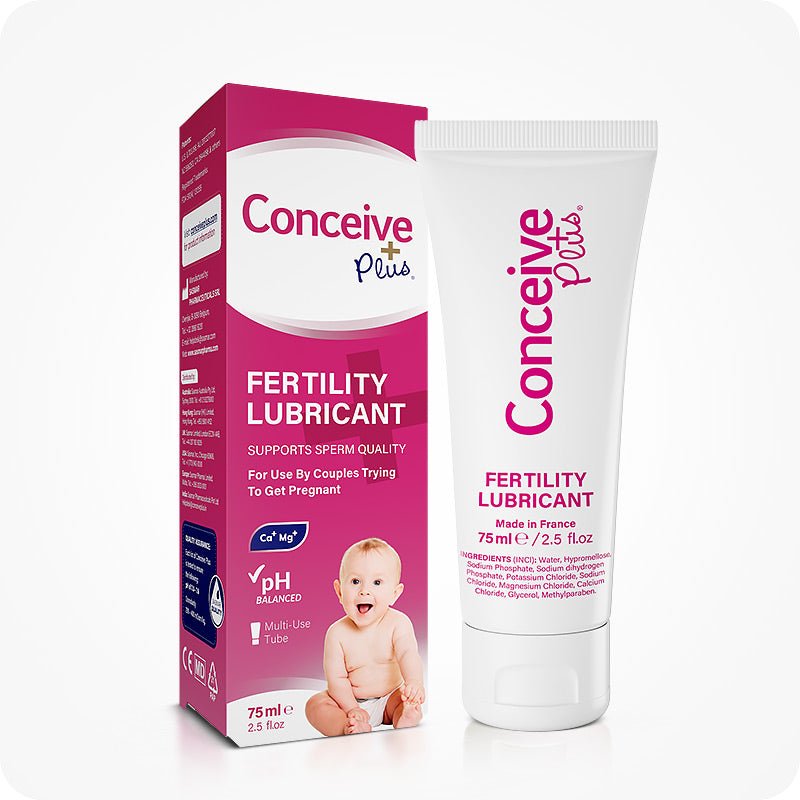
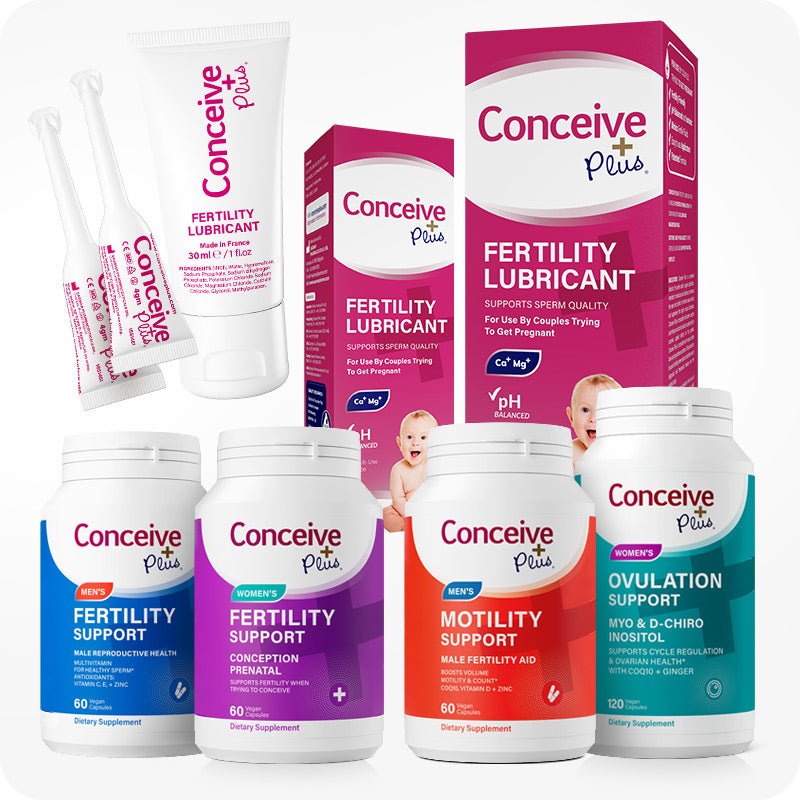
At Conceive Plus, we understand the challenges of trying to conceive. That's why we've developed a range of fertility products backed by science and designed with your journey in mind. Explore our Conceive Plus Fertility Lubricant to give yourself the very best chance of conception. Your family's story starts here.
Chronic stress triggers cortisol release, disrupting the HPG axis that regulates reproductive hormones. A University of Oxford study tracked 274 women trying to conceive: those with highest stress biomarkers were 29% less likely to achieve pregnancy. Stress also affects IVF outcomes: a systematic review found 30% lower pregnancy rates in high-stress women. MBSR programmes improve pregnancy rates by 33% in randomised trials.
The Sleep-Fertility Connection
Sleep is when your body performs essential repair, including hormone production. Melatonin is a powerful antioxidant protecting eggs and sperm. Women sleeping fewer than six hours had 20% lower oestradiol levels. Men sleeping fewer than seven hours had significantly lower sperm counts. Optimal sleep is seven to eight hours. A 2024 trial found women who improved sleep quality through hygiene programmes had 25% higher pregnancy rates.
Exercise: Finding the Fertility Sweet Spot
Moderate physical activity of 30 minutes daily reduced ovulatory infertility risk by 40% in the Nurses' Health Study II. However, excessive vigorous exercise can suppress ovulation. For men, 150 minutes of moderate exercise weekly improved sperm concentration by 14% and motility by 18%. The sweet spot is 150–240 minutes of moderate activity weekly.
How These Pillars Interact
Stress, sleep, and exercise are deeply interconnected. A 2024 study found 68% of couples who implemented a combined programme achieved pregnancy within six months, versus 42% in controls. A holistic approach addressing all three pillars creates a foundation of reproductive health.
Practical Strategies
Start with a self-assessment. Create a daily routine. Make small, sustainable changes. Work as a team. Track your progress with a fertility app. Gradual lifestyle changes are 3x more likely to be maintained long-term.
When to Seek Professional Support
If you've been trying for 12 months (or six months if over 35), consult a specialist. Lifestyle changes complement medical care — they don't replace it. The best outcomes come from combining evidence-based lifestyle changes with appropriate medical care.
Your Fertility Journey Deserves the Best Support
Every step of your conception journey matters — from understanding your body to choosing the right products. Discover Conceive Plus Conceive Plus Fertility Lubricant and join thousands of couples who've trusted our science-backed fertility solutions. You're not alone on this path — we're here with you.
Frequently Asked Questions
1. How quickly can lifestyle changes improve fertility? Sperm quality improves within 74 days. For women, ovulation improvements appear within 1–3 cycles.
2. Can stress alone cause infertility? Rarely complete infertility, but chronic stress can delay conception by disrupting ovulation and reducing sperm quality.
3. Is it safe to exercise during the two-week wait? Yes — moderate exercise is safe. Avoid HIIT and heavy lifting.
4. How does sleep affect male fertility? Poor sleep reduces testosterone by 10–15% in one week and lowers sperm count and motility.
5. What is the best exercise for fertility? Moderate aerobic exercise combined with light resistance training, 30–45 minutes, five days per week.
6. Can too much exercise hurt fertility? Yes. Excessive vigorous exercise can suppress ovulation and reduce sperm quality.
7. How does stress affect IVF outcomes? Elevated stress is associated with lower pregnancy rates. Meditation and acupuncture can help.
8. Should I take melatonin for fertility? Only under medical supervision — it can affect your natural sleep cycle and interact with hormones.
9. Can improving sleep regulate irregular periods? Yes. Many women see improvement after addressing sleep quality.
10. What is the most important lifestyle change for fertility? Consistent sleep, moderate exercise, and stress management working together.