Sperm Count Supplements: Can Vitamins Really Increase Sperm Count?


Supplements to Increase Sperm Count: What the Science Actually Says in 2026
If you've been searching for supplements to increase sperm count, you're not alone. Male fertility accounts for roughly 40–50% of all conception difficulties, and low sperm count — clinically called oligospermia — is one of the most common findings. The good news: targeted nutritional supplementation is one of the most evidence-backed strategies available. This guide breaks down exactly which vitamins and minerals have the strongest clinical data, which are overhyped, and how Conceive Plus brings them all together in one formula.
Why Sperm Count Matters — And What "Normal" Actually Means
The World Health Organization (WHO) defines normal sperm count as at least 16 million sperm per millilitre of semen, or 39 million total per ejaculate. Below these thresholds, fertilisation becomes statistically less likely — though not impossible. In 2023, a landmark meta-analysis found average sperm counts in Western countries have dropped approximately 62% since 1973, making male fertility optimisation a mainstream health priority rather than a niche concern.
Sperm count is just one dimension of male fertility. Motility (how well sperm swim), morphology (their shape), and DNA fragmentation (whether the genetic cargo is intact) all contribute. Fortunately, the same nutrients that support sperm count tend to improve all four parameters simultaneously — which is why a comprehensive supplement is far more effective than targeting a single metric.
Supplements to increase sperm count work primarily by: reducing oxidative stress in the testes, providing raw materials for spermatogenesis (sperm production), supporting healthy hormone levels (especially testosterone and FSH), and improving mitochondrial energy in sperm cells.
The 7 Best-Evidenced Supplements to Increase Sperm Count
1. Zinc — The Foundation of Male Fertility
Zinc is concentrated in the testes and prostate at levels far higher than in any other tissue. It's essential for testosterone synthesis, sperm production, and the structural integrity of the sperm head. Multiple randomised controlled trials have shown that zinc supplementation significantly increases sperm count, motility, and morphology in subfertile men. A 2016 Cochrane review confirmed zinc's role as one of the most effective single-nutrient interventions for male fertility. Typical effective dose: 25–66 mg/day (as zinc sulphate or zinc citrate).
2. Selenium — Antioxidant Protection for Developing Sperm
Selenium is a cofactor for glutathione peroxidase, the enzyme that neutralises reactive oxygen species (ROS) in the testes. Spermatogenesis produces high levels of ROS as a by-product, making selenium essential for sperm DNA protection. Studies consistently show 200 mcg/day selenium improves sperm motility and count. When combined with vitamin E, the effect on sperm count is synergistic — a combination frequently studied in fertility research.
3. CoQ10 (Coenzyme Q10) — Powering Sperm Motility and Production
CoQ10 is the primary energy carrier in mitochondria. Sperm cells are among the most energy-intensive in the body — motility alone requires enormous ATP output. Research published in the journal Fertility and Sterility found 300 mg CoQ10 daily for 26 weeks increased sperm concentration and motility significantly. As a potent antioxidant in its own right, CoQ10 also reduces sperm DNA fragmentation. Effective dose for fertility: 200–600 mg/day as ubiquinol (the active form).
4. L-Carnitine — The Nutrient Sperm Actually Run On
L-carnitine and its acetylated form (acetyl-L-carnitine) are found in exceptionally high concentrations in the epididymis — the tube where sperm mature. Carnitine is essential for sperm motility and serves as the primary energy source for progressive sperm movement. A 2012 systematic review of 7 RCTs found L-carnitine supplementation significantly improved sperm count, motility, and morphology. Daily dose studied: 2–4 g/day of L-carnitine or 1–2 g/day acetyl-L-carnitine.
5. Folate (5-MTHF) — Not Just for Women
Folate deficiency is associated with increased sperm DNA fragmentation and reduced sperm count. Men with the MTHFR gene variant (estimated 40% of the population) cannot efficiently convert folic acid to active folate — making methylfolate (5-MTHF) the preferred supplemental form. The Harvard School of Public Health documented that men with the highest dietary folate intake had 20% fewer chromosomally abnormal sperm. For men trying to conceive, 400–800 mcg 5-MTHF is now a standard recommendation.
6. Vitamin D — The Hormone-Like Nutrient for Testosterone
Vitamin D receptors are found throughout the male reproductive system — in the testes, epididymis, and sperm cells themselves. Low vitamin D is independently associated with reduced sperm count, poor motility, and low testosterone. A 2011 clinical trial in the Hormone and Metabolic Research journal found supplementing vitamin D in deficient men significantly increased testosterone levels. With over 1 billion people globally estimated to be vitamin D deficient, this is one of the highest-yield interventions available. Optimal target: 50–80 ng/mL serum 25(OH)D; typical supplemental dose: 2,000–4,000 IU/day.
7. Ashwagandha — Adaptogen With Solid Sperm Count Data
Ashwagandha (Withania somnifera) is one of the few herbal supplements with robust RCT data for male fertility. A 2010 pilot study found 5 g/day of ashwagandha root powder for 90 days improved sperm count by 167%, sperm motility by 57%, and semen volume by 53% compared to placebo. A follow-up double-blind RCT corroborated these findings. The mechanism involves cortisol reduction (chronic stress impairs spermatogenesis via cortisol/testosterone antagonism) and direct antioxidant effects on testicular tissue.
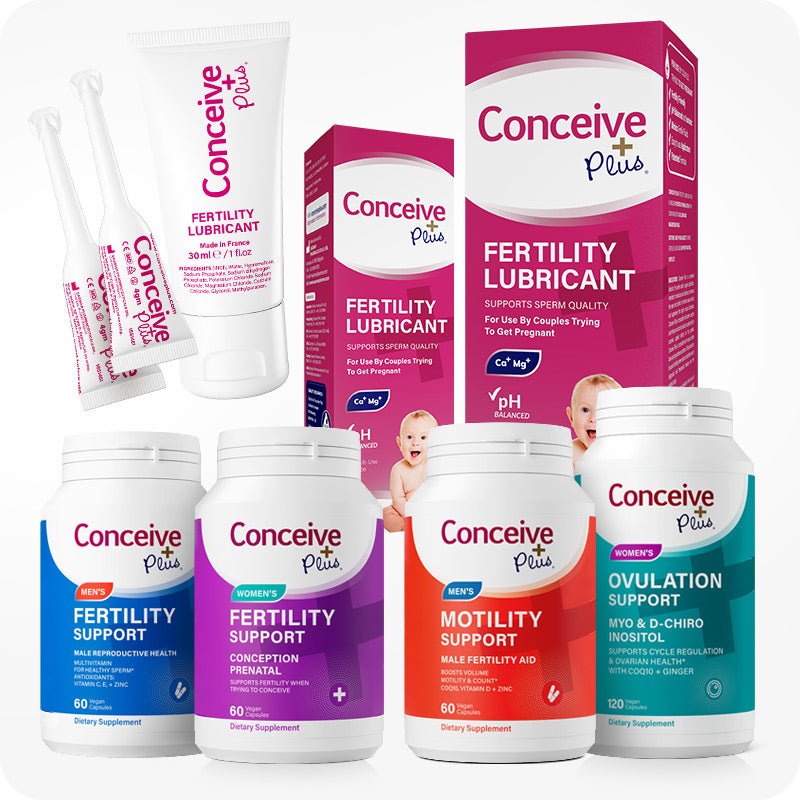
Conceive Plus Men's Fertility Support combines zinc, selenium, CoQ10, L-carnitine, folate, and vitamin D in one daily formula — no pill stacking required.
Shop Conceive Plus Men's Formula →
Supplements to Increase Sperm Count: What Doesn't Have Strong Evidence
The male fertility supplement market is flooded with products making big claims on thin evidence. It's worth flagging a few:
- Maca root: Popular but evidence is inconsistent — some trials show modest motility improvements, none show reliable sperm count increases.
- Tribulus terrestris: No RCT evidence for human sperm parameters despite widespread marketing claims.
- Ginseng: Preliminary data exists but insufficient for definitive recommendations.
- Mega-dose vitamin C alone: Antioxidant benefit exists, but vitamin C is most effective as part of a broader antioxidant stack rather than as a solo supplement.
The pattern is clear: vitamins and minerals with established roles in spermatogenesis (zinc, selenium, folate, vitamin D) and energy metabolism (CoQ10, carnitine) consistently outperform herbal extracts with less mechanistic rationale.
How Long Does It Take for Sperm Count Supplements to Work?
Spermatogenesis — the full cycle of sperm production — takes approximately 74 days. This is why clinical trials measuring sperm parameters typically run for 90–180 days. What this means practically:
- Start supplements at least 3 months before planned conception attempts for maximum benefit
- Don't expect dramatic changes in the first 4–6 weeks
- The most significant improvements in sperm count studies appear at the 90-day mark
- Consistent daily dosing matters — sporadic supplementation does not provide the same benefit as steady-state nutrient levels
Conceive Plus recommends starting supplementation 3–6 months before you plan to actively try — giving the full spermatogenesis cycle multiple opportunities to benefit from optimised nutrient levels.
Lifestyle Factors That Amplify (or Undermine) Supplements to Increase Sperm Count
Even the best supplement protocol won't overcome major lifestyle obstacles. The evidence on lifestyle and sperm count is robust:
- Heat exposure: Laptops on laps, hot tubs, and tight underwear all elevate scrotal temperature above the optimal 2–4°C below core body temperature. A single 30-minute hot tub session can suppress sperm production for weeks.
- Alcohol: Even moderate drinking (>5 units/week) is associated with reduced sperm count and testosterone. Heavy drinking significantly impairs spermatogenesis.
- Smoking: Cigarette smoke is one of the most potent sources of reproductive oxidative stress. Smokers show 13–17% lower sperm counts than non-smokers in population studies.
- Obesity: Adipose tissue converts testosterone to oestrogen. Men with BMI >30 have significantly lower sperm counts and testosterone than normal-weight peers.
- Stress: Cortisol directly antagonises testosterone production. Men with high perceived stress scores show measurably lower sperm counts — which is partly why adaptogens like ashwagandha show benefit.
- Sleep: Testosterone peaks during deep sleep. Men sleeping less than 6 hours/night show 10–15% lower testosterone, with downstream effects on sperm production.
Conceive Plus Men's Fertility Formula: How It Addresses the Full Picture
Conceive Plus was developed with one objective: provide the nutrients men actually need for optimal fertility, in the doses that clinical studies have validated. The Men's Fertility Support formula includes zinc, selenium, L-carnitine, CoQ10 (as ubiquinol), methylfolate (5-MTHF), vitamin D3, vitamin E, and ashwagandha extract — forming a comprehensive stack without the need to purchase and manage 7–8 separate supplements.
Beyond ingredient selection, Conceive Plus pays close attention to bioavailability: methylfolate rather than folic acid, ubiquinol rather than ubiquinone (a more bioavailable CoQ10 form), and zinc citrate rather than zinc oxide (significantly better absorbed). These details matter — the most effective supplement protocol on paper is only as good as what your body actually absorbs.
Conceive Plus is produced in GMP-certified facilities, undergoes third-party testing, and is used by fertility clinics globally as a recommended adjunct to assisted reproduction protocols.
Conceive Plus vs Pre-Seed and Other Male Fertility Supplements
While Pre-Seed is a sperm-friendly lubricant (not a supplement), it's often searched alongside male fertility products. For men specifically looking for supplements to increase sperm count, the key comparison is between single-nutrient products and comprehensive formulas. Individual zinc or selenium supplements are available and can be effective, but building a complete stack from scratch involves significant cost, pill burden (often 6–8 capsules daily), and the risk of nutrient interactions. Conceive Plus Men's Formula resolves all three problems in a single product designed specifically around the spermatogenesis cycle.
Conceive Plus Men's Fertility Support delivers all 7 evidence-backed nutrients in one formula. Free shipping on orders over $50.
Get Conceive Plus Men's Formula →
Frequently Asked Questions About Supplements to Increase Sperm Count
Can supplements really increase sperm count?
Yes — for men with nutritional deficiencies or oxidative stress-related subfertility, targeted supplements have strong RCT evidence for meaningful sperm count improvements. Men with severely compromised fertility due to structural issues (e.g. varicocele, azoospermia) may see more modest results and should consult a urologist or andrologist.
How long should I take supplements before seeing results?
Plan for at least 90 days. The full spermatogenesis cycle is 74 days, and most studies showing significant improvements run for 90–180 days. Start 3–6 months before planned conception attempts.
What is the most effective supplement for sperm count?
No single supplement is "most effective" — the evidence points to a combination of antioxidants (zinc, selenium, vitamin E), energy support (CoQ10, L-carnitine), and hormone-supporting nutrients (vitamin D, folate). This is why comprehensive formulas consistently outperform individual supplements in head-to-head comparisons.
Is CoQ10 or zinc better for sperm count?
Both are effective through different mechanisms. Zinc is essential for testosterone synthesis and sperm production; CoQ10 powers sperm motility and reduces DNA fragmentation. They are complementary, not competing — the research supports taking both simultaneously.
Can I take sperm count supplements with other medications?
Most fertility supplements are safe alongside common medications, but zinc can interact with certain antibiotics and medications. Consult your GP or pharmacist if you are taking regular prescription medication.
Do sperm count supplements help with IVF or IUI?
Yes. Reducing sperm DNA fragmentation (which CoQ10, selenium, and folate all address) is particularly valuable for IVF/ICSI success rates. Several fertility clinics recommend sperm health supplementation as standard protocol before assisted reproduction procedures.
Are there any side effects from sperm count supplements?
At recommended doses, the nutrients in evidence-based fertility supplements are well-tolerated. Very high doses of zinc (>40 mg/day for extended periods) can compete with copper absorption. High-dose selenium (>400 mcg/day) should be avoided. Stick to products formulated at clinically-studied doses, like Conceive Plus.
Does diet affect sperm count as much as supplements?
Diet is foundational. A Mediterranean-style diet rich in zinc (oysters, pumpkin seeds), selenium (Brazil nuts, fish), folate (leafy greens), and CoQ10 (fatty fish, organ meats) provides a strong nutritional baseline. Supplements fill the gap between an optimal diet and the higher doses shown to be therapeutic in clinical studies.
When should I see a doctor instead of just taking supplements?
If you have been trying to conceive for 12+ months (or 6+ months if your partner is over 35) without success, both partners should be evaluated. A semen analysis is a simple, non-invasive test that provides a clear baseline — don't wait a year to get one if you have concerns.
What makes Conceive Plus different from other male fertility supplements?
Conceive Plus uses bioavailable forms of key nutrients (ubiquinol CoQ10, methylfolate, zinc citrate, vitamin D3), doses these at clinically-studied levels, and combines all essential nutrients in one formula. It is manufactured in GMP-certified facilities with third-party testing — standards not universal in the fertility supplement market.