PCOS and Fertility: Understanding the Connection and Natural Approaches to Support Conception


What Is PCOS and How Does It Impact Fertility?
Polycystic Ovary Syndrome (PCOS) affects approximately 1 in 10 women of reproductive age worldwide, making it one of the most common endocrine disorders and a leading cause of infertility. Characterised by hormonal imbalances, irregular ovulation, and the presence of small fluid-filled sacs on the ovaries, PCOS creates significant challenges for women trying to conceive.
The primary fertility obstacle in PCOS is anovulation — the ovaries fail to release an egg regularly or at all. Without ovulation, pregnancy cannot occur naturally. Even when ovulation does happen, the hormonal environment — elevated luteinising hormone (LH), testosterone, and insulin — can impair egg quality and endometrial receptivity.
Research published in the Journal of Clinical Endocrinology & Metabolism found that women with PCOS have a 15-fold higher risk of anovulatory infertility compared to women without the condition. However, the same research emphasises that with proper management, the vast majority of women with PCOS can achieve pregnancy.
Understanding the underlying mechanisms — insulin resistance, inflammation, and hormonal imbalance — is the first step toward developing an effective fertility strategy.
The Role of Insulin Resistance in PCOS-Related Infertility
Support Your Fertility Journey with Conceive Plus Women’s Ovulation Support with Inositol
Every step of your conception journey deserves the right support. Shop Conceive Plus Women’s Ovulation Support with Inositol →
Support Your Fertility Journey with Conceive Plus Women’s Ovulation Support with Inositol
Every step of your conception journey deserves the right support. Shop Conceive Plus Women’s Ovulation Support with Inositol →
Up to 70% of women with PCOS have insulin resistance, a condition where the body’s cells don’t respond effectively to insulin. This forces the pancreas to produce more insulin, creating a cascade of hormonal disruptions that directly affect fertility.
Elevated insulin levels stimulate the ovaries to produce excess androgens (male hormones), particularly testosterone. This androgen excess disrupts the delicate feedback loop between the hypothalamus, pituitary gland, and ovaries, preventing normal follicle development and ovulation.
A landmark study in Fertility and Sterility demonstrated that women with PCOS who addressed insulin resistance through lifestyle modifications saw a 50% improvement in ovulation rates within just 12 weeks. This highlights why metabolic health is a cornerstone of PCOS fertility management.
The connection between insulin and fertility in PCOS is so strong that many reproductive endocrinologists now consider metabolic assessment and management as essential as any pharmaceutical intervention.
Natural Approaches to Managing PCOS for Fertility
While PCOS can feel overwhelming, several evidence-based natural approaches have shown meaningful improvements in ovulation, hormone balance, and pregnancy rates.
Nutritional Strategies: A low-glycaemic diet that stabilises blood sugar is widely considered the gold standard. Research from the American Journal of Clinical Nutrition found that women following a low-GI diet rich in whole grains, lean proteins, and healthy fats experienced a 30% improvement in menstrual regularity within six months. Anti-inflammatory foods — leafy greens, fatty fish, berries, and turmeric — also play a supportive role.
Supplement Support: Inositol, particularly myo-inositol combined with D-chiro-inositol in a 40:1 ratio, has accumulated substantial clinical evidence. A meta-analysis of 12 randomised controlled trials showed that women with PCOS taking inositol had significantly improved ovulation rates (OR 3.29) and higher pregnancy rates compared to placebo.
Exercise: Both aerobic exercise and resistance training improve insulin sensitivity. The key finding from sports medicine research is consistency — 150 minutes of moderate activity per week, combining cardio and strength work, delivers the best metabolic and hormonal outcomes.
Sleep and Stress Management: Cortisol and insulin are intimately connected. Women with PCOS who practise stress-reduction techniques like mindfulness or gentle yoga show lower cortisol levels and improved menstrual cyclicity in as little as eight weeks.
When Natural Approaches Need Support: Medical Options for PCOS Fertility
For many women, lifestyle changes alone may not be sufficient to achieve ovulation and pregnancy. When this happens, medical options can provide the needed bridge.
Ovulation Induction: Medications like clomiphene citrate (Clomid) or letrozole (Femara) are first-line treatments. The landmark PPCOS II trial, published in the New England Journal of Medicine, found that letrozole resulted in higher live birth rates (27.5%) compared to clomiphene (19.1%) in women with PCOS.
Metformin: This insulin-sensitising medication has been used for decades in PCOS management. While it’s less effective than letrozole for ovulation induction alone, it remains valuable for women with concurrent glucose intolerance or those who haven’t responded to lifestyle changes.
Ovarian Drilling: A laparoscopic procedure where small holes are made in the ovarian surface to reduce androgen production. While less common today due to effective medications, it remains an option for women who don’t respond to oral medications.
IVF: For women who don’t conceive with ovulation induction, IVF with appropriate protocols — typically using a GnRH antagonist approach to reduce the risk of ovarian hyperstimulation syndrome — offers excellent outcomes.
The journey from PCOS diagnosis to pregnancy requires patience, but the path is well-mapped and proven. Many women find that combining lifestyle changes with targeted medical support offers the best chance of success.
PCOS and Male Partner Fertility: Why It’s a Couple’s Condition
While PCOS is a female diagnosis, its impact on fertility is inherently a couple’s issue. Research shows that when a woman has PCOS, the couple’s overall fertility journey benefits enormously when both partners optimise their health.
Women with PCOS often experience longer times to conception, and the emotional toll of irregular cycles, failed ovulation attempts, and the stress of timed intercourse can strain the relationship. Partners who actively participate in the process — attending appointments, supporting dietary changes, and managing their own sperm health — significantly improve outcomes.
A study in Human Reproduction Update found that couples where both partners made lifestyle modifications had 40% higher pregnancy rates than those where only the woman changed her habits. Male factor fertility issues are present in approximately 30–40% of couples with PCOS-related infertility, making comprehensive couple assessment essential.
Emotional Well-Being and PCOS: Protecting Your Mental Health Through the Journey
The emotional dimension of PCOS-related infertility is often overlooked but critically important. Women with PCOS have higher rates of anxiety and depression — not only because of the fertility challenges but also due to the visible symptoms like weight gain, acne, and hirsutism that affect body image and self-esteem.
Cognitive behavioural therapy (CBT) and support groups have shown measurable benefits. A 2023 systematic review in Fertility and Sterility found that women who engaged in structured emotional support while pursuing PCOS treatment had significantly lower dropout rates and higher pregnancy rates — the emotional and physical dimensions of fertility are inseparable.
Building a support network, working with a therapist who understands infertility, and setting realistic expectations about timelines can protect your mental health during what is often a prolonged journey. Remember that the average time to pregnancy for women with PCOS is longer than for those without — this is normal, not a sign of failure.
PCOS Across Different Life Stages: Fertility at 25 vs 35
The impact of PCOS on fertility changes with age. Younger women with PCOS (under 30) have a more favourable fertility outlook than older women with PCOS, but both groups can achieve pregnancy with appropriate management.
Women in their 20s with PCOS have the advantage of time and ovarian reserve. The focus for this group should be establishing metabolic health and regular ovulation cycles, ideally achieving pregnancy naturally or with minimal intervention. The risk is delaying — many young women with PCOS assume they have years ahead of them, but the cumulative effect of anovulation and metabolic disturbance can worsen over time.
For women with PCOS over 35, time is more limited, and a more aggressive approach is often warranted. Age-related decline in egg quality compounds the ovulatory challenges of PCOS. In this group, reproductive specialists often move more quickly from lifestyle changes to ovulation induction or IVF. The good news is that women with PCOS undergoing IVF typically produce more eggs than women without PCOS of the same age, partially offsetting age-related decline.
Ready to Take the Next Step?
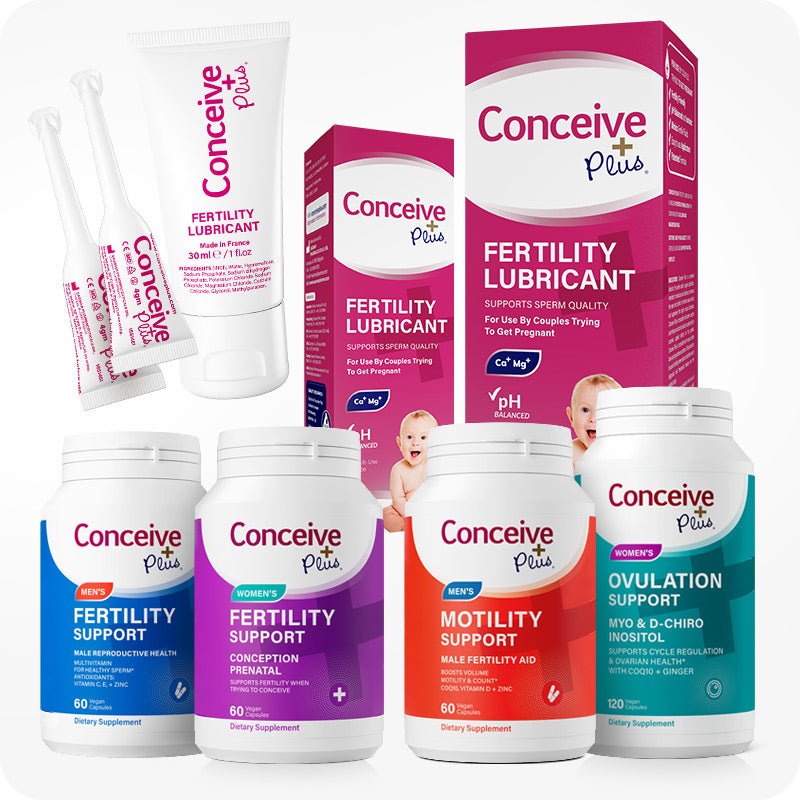
Trusted by thousands of couples worldwide, Conceive Plus Women’s Ovulation Support with Inositol is designed to work with your body — not against it. Explore the full range of Conceive Plus products tailored to your unique fertility journey.
Frequently Asked Questions About PCOS and Fertility
Ready to Take the Next Step?
Trusted by thousands of couples worldwide, Conceive Plus Women’s Ovulation Support with Inositol is designed to work with your body — not against it. Explore the full range of Conceive Plus products tailored to your unique fertility journey.
Q: Can I get pregnant naturally with PCOS?
A: Yes. While PCOS can make natural conception more challenging, many women do conceive without medical intervention — particularly when they successfully manage insulin resistance and achieve regular ovulation through lifestyle changes.
Q: How long should I try to conceive before seeing a specialist with PCOS?
A: Because PCOS directly affects ovulation, it’s recommended to see a reproductive specialist sooner rather than waiting the full year recommended for couples without known fertility issues — typically after 6 months of well-timed attempts.
Q: Does PCOS affect egg quality?
A: The evidence is mixed. Some studies suggest that the hormonal environment in PCOS may affect oocyte quality, but other research shows comparable pregnancy rates per embryo transfer in women with and without PCOS undergoing IVF.
Q: What is the best diet for PCOS fertility?
A: A low-glycaemic, anti-inflammatory diet rich in whole foods, lean proteins, healthy fats, and complex carbohydrates. Many women find the Mediterranean diet particularly effective for PCOS management.
Q: Can supplements help with PCOS and fertility?
A: Yes. Inositol (myo-inositol and D-chiro-inositol) has the strongest evidence base. Vitamin D, omega-3 fatty acids, and CoQ10 also show benefits for hormonal and metabolic health in PCOS.
Q: Does PCOS cause miscarriage?
A: Women with PCOS have a moderately increased risk of miscarriage, thought to be related to insulin resistance, hormonal imbalances, and possibly endometrial quality. Optimising metabolic health before pregnancy can help reduce this risk.
Q: Is IVF more difficult with PCOS?
A: IVF with PCOS has both advantages (higher egg yield) and challenges (higher risk of OHSS). With modern protocols, particularly GnRH antagonist cycles, outcomes are generally excellent.
Q: Can PCOS go away after pregnancy?
A: PCOS is a lifelong condition, but symptoms can improve significantly after pregnancy, particularly with sustained healthy lifestyle habits. Some women experience more regular cycles after having children.
Q: Does weight loss help PCOS fertility?
A: Yes. Losing even 5–10% of body weight can restore ovulation in many women with PCOS and significantly improve pregnancy outcomes.
Q: Do I need to see an endocrinologist or a reproductive specialist for PCOS?
A: Both can help. An endocrinologist is excellent for managing the metabolic aspects, while a reproductive endocrinologist specialises in the fertility dimension. Many women benefit from a team approach.