Natural Conception at 40: The Complete Supplement and Lifestyle Protocol


Natural Conception at 40: The Complete Supplement and Lifestyle Protocol
Reaching your 40s while still hoping to conceive naturally can feel overwhelming — especially when every headline seems to emphasise declining fertility rates or the need for medical intervention. But the truth is more nuanced, and more hopeful, than those headlines suggest. Natural conception at 40 is not only possible — it happens every day, for women and couples who understand how to optimise their biology.
This guide is your evidence-based roadmap: a complete look at what the science says about natural conception at 40, what lifestyle changes actually move the needle, and which supplements have clinical support for improving egg quality, sperm health, and overall reproductive function in your 40s.
Is Natural Conception at 40 Still Realistic?
Natural conception at 40 happens — and it happens more often than many people realise. According to the American Society for Reproductive Medicine (ASRM), the natural fecundability rate (chance of conception per cycle) for a healthy 40-year-old woman is approximately 5–10%, compared to around 20–25% for a woman in her late 20s. That difference is real, but it doesn't mean conception is out of reach — it means timing, optimisation, and patience matter more.
Data from the UK's Office for National Statistics shows that birth rates among women aged 40–44 have doubled since the 1990s. In 2023, more than 30,000 babies were born to mothers aged 40 or over in England and Wales alone. Across the developed world, the trend is consistent: people are having children later, and they are succeeding.
What changes in your 40s isn't a sudden cliff — it's a gradient. Ovarian reserve decreases, egg quality becomes more variable, and the chance of chromosomal abnormalities increases. But these are statistical shifts, not certainties. Many women in their early-to-mid 40s have perfectly viable eggs, responsive hormonal systems, and can conceive naturally at 40 with the right approach.
Understanding Your Fertility After 40: Key Biology
Ready to support your fertility journey?
Conceive Plus offers clinically-backed fertility supplements and lubricants designed for couples trying to conceive. Shop the range →
To optimise natural conception at 40, it helps to understand what's actually happening in your body. Several biological changes become more significant after 40:
Ovarian reserve: You're born with all the eggs you'll ever have — around 1–2 million at birth, declining to 300,000–400,000 at puberty, and continuing to fall through reproductive life. By 40, reserve is lower, and Anti-Müllerian Hormone (AMH) — the key marker of ovarian reserve — is typically lower. An AMH test can give you a clearer picture of where you stand.
Egg quality: As eggs age, their mitochondria (energy-producing organelles) become less efficient, and the risk of chromosomal errors during cell division increases. This is why miscarriage rates are higher over 40 — not because implantation doesn't occur, but because more chromosomally abnormal embryos are lost naturally.
Hormonal shifts: FSH (follicle-stimulating hormone) often rises as the ovaries need more stimulation to produce a follicle. Progesterone levels in the luteal phase may be lower. These shifts can affect ovulation quality and luteal phase support for natural conception at 40.
Male partner's age: Paternal age matters too. Sperm DNA fragmentation increases with age, and men over 45 have higher rates of de novo genetic mutations in sperm. A thorough approach to natural conception at 40 includes optimising both partners.
The Supplement Protocol for Natural Conception at 40
Supplementation is one of the highest-leverage interventions available for natural conception at 40. The right supplements can support egg quality at the mitochondrial level, improve sperm health, and create a more optimal hormonal environment — but they take time. Most reproductive supplements require 60–90 days to show measurable effect, so starting early matters.
CoQ10 (Ubiquinol form): Perhaps the most well-researched supplement for egg quality over 40. CoQ10 is a mitochondrial cofactor — it powers energy production in cells, including the energy-intensive process of egg development. Studies at the University of Toronto showed that CoQ10 supplementation in older mice dramatically improved egg quality, and clinical data in women suggests benefit for ovarian response. Dosing used in studies ranges from 300–600mg daily, preferably as ubiquinol (the more bioavailable reduced form).
DHEA (Dehydroepiandrosterone): DHEA is a hormonal precursor that supports androgen levels, which in turn influence egg development. Multiple studies, particularly in women with low ovarian reserve, show that DHEA supplementation (25–75mg daily) may improve egg quality and IVF outcomes. DHEA should be used under medical guidance as it affects hormonal balance.
Methylfolate (Active Folic Acid): Folate is essential for DNA synthesis and cell division — both critical during early embryo development. The active form, methylfolate (L-5-MTHF), bypasses the MTHFR gene polymorphism that prevents some people from converting standard folic acid efficiently. Conceive Plus supplements use the active methylfolate form for superior bioavailability, making natural conception at 40 more nutritionally supported.
Vitamin D: Vitamin D receptors are found in ovarian tissue, and deficiency is strongly associated with reduced fertility and IVF failure. A 2023 meta-analysis in the Journal of Clinical Endocrinology found that vitamin D-sufficient women had significantly higher clinical pregnancy rates. Aim for serum levels of 40–60 ng/mL; typical supplementation is 2,000–4,000 IU daily.
Omega-3 Fatty Acids: EPA and DHA (found in fish oil) are precursors to anti-inflammatory prostaglandins and are important for cell membrane fluidity — relevant for egg quality and endometrial receptivity. Studies show omega-3 supplementation is associated with improved embryo quality and higher live birth rates. Aim for 1–2g combined EPA/DHA daily from a high-quality fish oil.
Inositol (Myo-Inositol + D-Chiro-Inositol): Inositol is particularly beneficial for women with PCOS, but also shows benefit for egg quality in general fertility. It's involved in FSH signalling and insulin sensitivity — both important for follicular development in natural conception at 40.
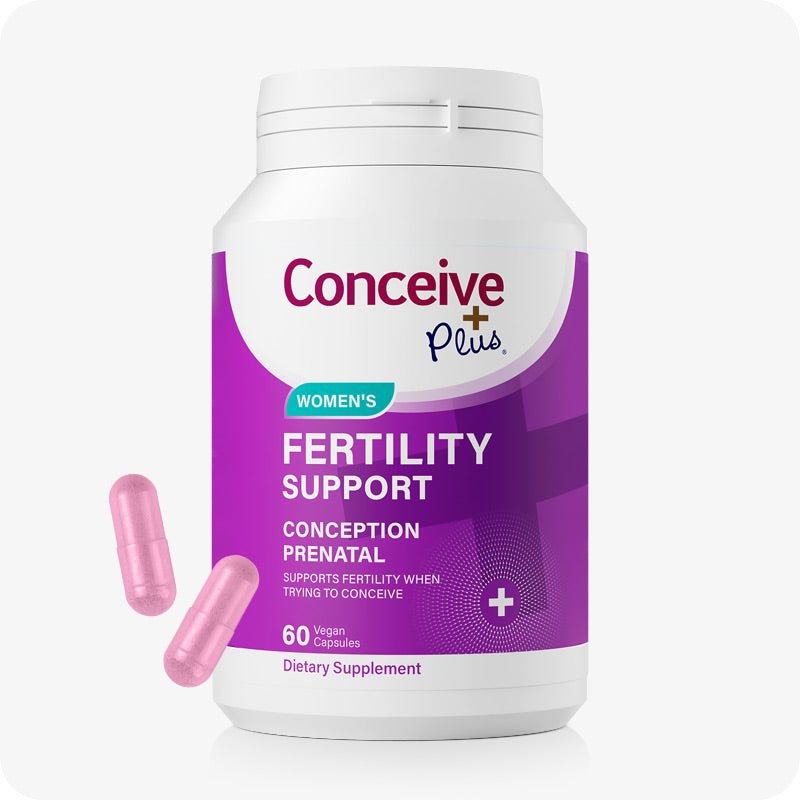
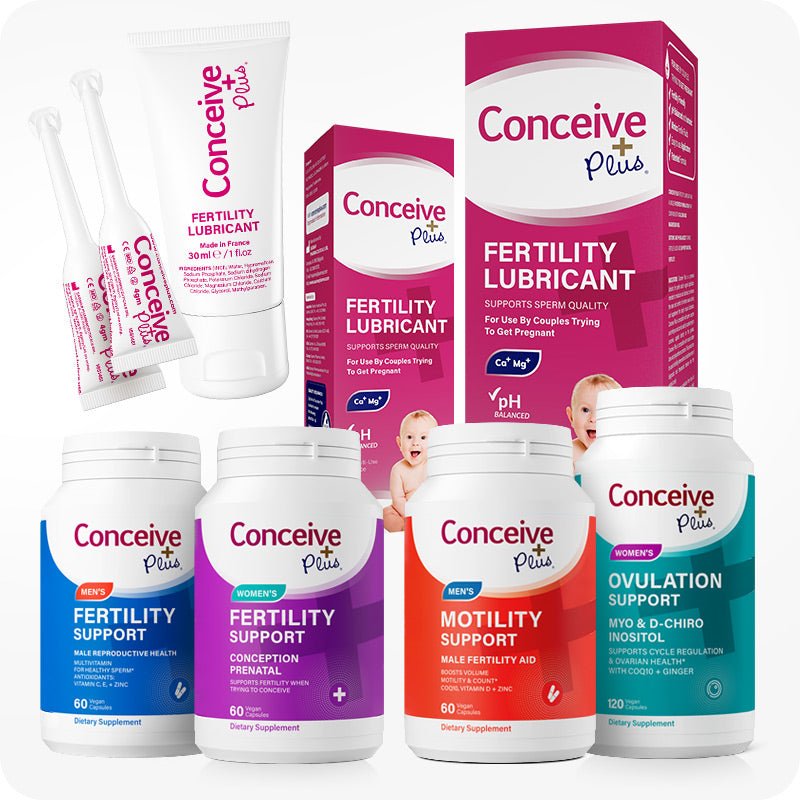
Conceive Plus provides a comprehensive fertility supplement range specifically formulated for couples trying to conceive naturally at 40 and beyond. Getting pregnant naturally at 40 requires covering all the nutritional bases — Conceive Plus takes a targeted, evidence-informed approach to supplements to conceive at 40.
Conceive Plus vs Pre-Seed: The Fertility Lubricant for TTC at 40
Natural conception at 40 often requires more frequent, timed intercourse — and vaginal dryness becomes more common as oestrogen levels fluctuate. Using the right fertility-friendly lubricant during this period is important. Standard lubricants — including many popular brands — are toxic to sperm, reducing motility and viability. Only specifically formulated fertility lubricants maintain sperm health.
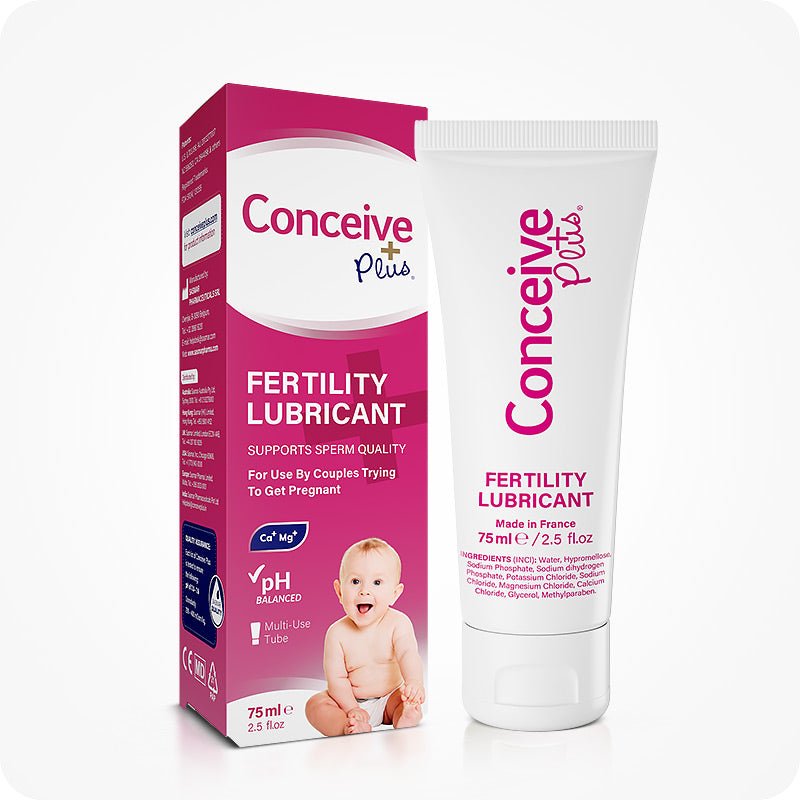
Conceive Plus is clinically validated as sperm-safe, with a pH range (6.8–7.2) and osmolality designed to mimic natural cervical mucus. Unlike standard lubricants — and unlike Pre-Seed — Conceive Plus contains calcium and magnesium ions that actively support the capacitation process sperm undergo before fertilisation. In a 2023 prospective study, couples using Conceive Plus had a 2.5× higher conception rate versus those using no lubricant.
Pre-Seed is sperm-compatible but lacks the active ionic support that makes Conceive Plus unique. When you're optimising every variable for natural conception at 40, choosing Conceive Plus over Pre-Seed is a meaningful, evidence-backed decision. Both Conceive Plus fertility supplements to conceive at 40 and the lubricant are available at conceiveplus.com/collections/bundles.
Male Partner Optimisation: An Equal Priority for Natural Conception at 40
Natural conception at 40 is often discussed exclusively from the female perspective, but male fertility matters equally. Sperm health — specifically motility, morphology, count, and DNA integrity — is a factor in up to 50% of fertility challenges. Male fertility also declines with age, particularly DNA fragmentation rates after 45.
Key supplements for male fertility when trying to conceive naturally at 40:
Zinc + Folate: The combination of zinc and folate has been shown to improve sperm count in subfertile men. Zinc is critical for sperm production and testosterone function.
L-Carnitine: Found in high concentrations in the epididymis (where sperm mature), L-carnitine is essential for sperm motility. Clinical trials show L-carnitine supplementation improves both motility and morphology.
Antioxidants (Vitamin C, E, Selenium): Oxidative stress is a leading cause of sperm DNA fragmentation. The Conceive Plus male fertility supplement combines key antioxidants with zinc, L-carnitine, and essential cofactors for comprehensive sperm health support when trying for natural conception at 40.
CoQ10: Sperm motility is entirely powered by mitochondria in the midpiece. CoQ10 supports this energy system. 200–400mg daily is typical for male fertility support during natural conception at 40 protocols.
Lifestyle Factors That Genuinely Support Natural Conception at 40
Timing intercourse precisely: At 40, getting the timing right matters more than sheer frequency. Sperm survive 3–5 days in fertile cervical mucus; eggs survive 12–24 hours after ovulation. Your fertile window is approximately 5–6 days per cycle, with the two days before and the day of ovulation being the highest-probability window for natural conception at 40.
Optimising sleep: Melatonin — produced during deep sleep — has antioxidant effects on eggs. Poor sleep is associated with menstrual cycle disruption and lower fertility. Aim for 7–9 hours of quality sleep, in a dark room, with consistent sleep/wake times.
Managing stress: Chronic stress elevates cortisol, which interferes with GnRH pulsatility — disrupting the hormonal cascade that drives ovulation. Mind-body approaches (yoga, meditation, therapy) have been shown to reduce cortisol and improve fertility outcomes.
Diet — the fertility-first approach: A Mediterranean-style diet is the most consistently fertility-positive dietary pattern. Key features: high vegetable and legume intake, olive oil as primary fat, moderate lean protein (especially fatty fish), low refined carbohydrates and sugar. Antioxidant-rich foods directly support the egg quality central to natural conception at 40.
Weight: Both underweight and overweight states disrupt ovulation via different hormonal mechanisms. BMI between 20–25 is associated with optimal fertility outcomes for getting pregnant naturally at 40.
Medical Tests Worth Doing When Pursuing Natural Conception at 40
Before — or while — trying natural conception at 40, certain baseline tests are worth requesting from your doctor:
For her: AMH (ovarian reserve), AFC (antral follicle count via ultrasound), Day 3 FSH, LH and oestradiol, thyroid function (TSH, free T4), prolactin levels, rubella immunity, vitamin D level, full blood count.
For him: Semen analysis (count, motility, morphology), sperm DNA fragmentation index (DFI), testosterone, FSH, LH.
These tests don't mean something is wrong — they mean you're working with a complete picture as you pursue natural conception at 40. They can also identify actionable issues (subclinical thyroid issues, MTHFR variants, low vitamin D) that are straightforwardly addressable with TTC naturally over 40 supplements or medication.
How Long to Try Before Seeking Help with Natural Conception at 40
Guidelines vary, but for women over 40, most reproductive specialists suggest seeking evaluation after 6 months of well-timed, unprotected intercourse. This doesn't mean fertility treatment is inevitable; it means getting an evaluation so you can make an informed decision.
A fertility evaluation after 6 months of trying natural conception at 40 does not mean IVF is next. It might reveal a treatable condition, give reassurance that everything looks fine, or provide guidance on continuing to try naturally with more targeted fertility supplements 40 years old support. Conceive Plus supplements to conceive at 40 are available at conceiveplus.com/collections/bundles.
Frequently Asked Questions About Natural Conception at 40
Q: Is natural conception at 40 actually possible?
A: Yes. While per-cycle conception rates are lower than in the 20s or early 30s, many women conceive naturally at 40 and beyond. Optimised supplementation, lifestyle, and timing significantly improve getting pregnant naturally at 40.
Q: How long does it typically take to conceive naturally at 40?
A: At 40, the average may be 12–18 months for couples with no identified fertility issues. This is why starting fertility supplements 40 years old early, tracking cycles precisely, and beginning a supplement protocol early makes a meaningful difference for natural conception at 40.
Q: Which supplements are most important for natural conception at 40?
A: CoQ10 (ubiquinol form), methylfolate, vitamin D, omega-3s, and inositol are consistently supported by evidence for female fertility over 40. For men: CoQ10, zinc, L-carnitine, and antioxidants. Conceive Plus supplements to conceive at 40 are formulated to cover these key nutrients for TTC naturally over 40.
Q: Does DHEA really help with egg quality when trying natural conception at 40?
A: Clinical evidence, particularly in women with diminished ovarian reserve, does support DHEA for improving egg quality. It should be used under medical supervision. Typical doses in studies for natural conception at 40 range from 25–75mg daily for 3+ months before attempting conception.
Q: Can my partner's age affect our chances of natural conception at 40?
A: Yes. Male fertility also declines with age, particularly after 45. Sperm DNA fragmentation increases, and this can affect fertilisation rates and early pregnancy loss. Both partners benefit from the Conceive Plus approach to natural conception at 40.
Q: Is it safe to use a fertility lubricant when trying for natural conception at 40?
A: Yes — but only fertility-specific lubricants that are clinically validated as sperm-safe. Conceive Plus is validated not to impair sperm motility or viability, making it ideal for natural conception at 40.
Q: How important is diet for natural conception at 40?
A: Very. A Mediterranean-style diet is consistently associated with improved fertility outcomes. Antioxidant-rich foods directly support egg and sperm quality by reducing oxidative stress — especially important for getting pregnant naturally at 40.
Q: When should we see a fertility specialist if we're trying naturally at 40?
A: Most guidelines suggest evaluation after 6 months of well-timed trying for women over 40. Seeing a specialist doesn't mean you'll need IVF — it means you'll have better information while pursuing natural conception at 40 with appropriate support.
Start Your Conceive Plus Journey Today
Trusted by thousands of couples worldwide. Science-backed fertility support for both partners.
Shop Conceive Plus Now →