L-Carnitine for Sperm Motility: Does It Really Work?


L-Carnitine for Sperm Motility: Does It Really Work?
If you've been researching ways to improve sperm health, chances are you've come across L-carnitine for sperm motility. This naturally occurring amino acid compound has gained significant attention in fertility circles — and for good reason. Clinical studies have repeatedly shown that L-carnitine plays a critical role in sperm energy production and movement. But does supplementing with L-carnitine actually make a measurable difference? Let's look at the evidence.
What Is L-Carnitine and Why Does Sperm Need It?
L-carnitine is a naturally synthesized compound found in high concentrations in the male reproductive tract — particularly in the epididymis, where sperm mature and gain the ability to swim. In fact, epididymal fluid contains some of the highest concentrations of L-carnitine in the human body, which gives us a strong hint about its importance to sperm function.
At the cellular level, L-carnitine transports long-chain fatty acids into the mitochondria, where they're used to generate ATP — the energy currency cells need to function. For sperm, which must swim long distances to reach and fertilize an egg, ATP production is non-negotiable. Without adequate L-carnitine, sperm mitochondria can't efficiently produce the energy needed for forward progressive motility.
Men with poor sperm motility (asthenozoospermia) often have significantly lower levels of L-carnitine in their seminal plasma compared to men with normal motility. This correlation alone has driven decades of research into whether supplementation can correct the deficit and improve outcomes for couples trying to conceive.
What Does the Clinical Research Say About L-Carnitine Sperm Motility?
💊 Ready to Support Your Fertility Journey?
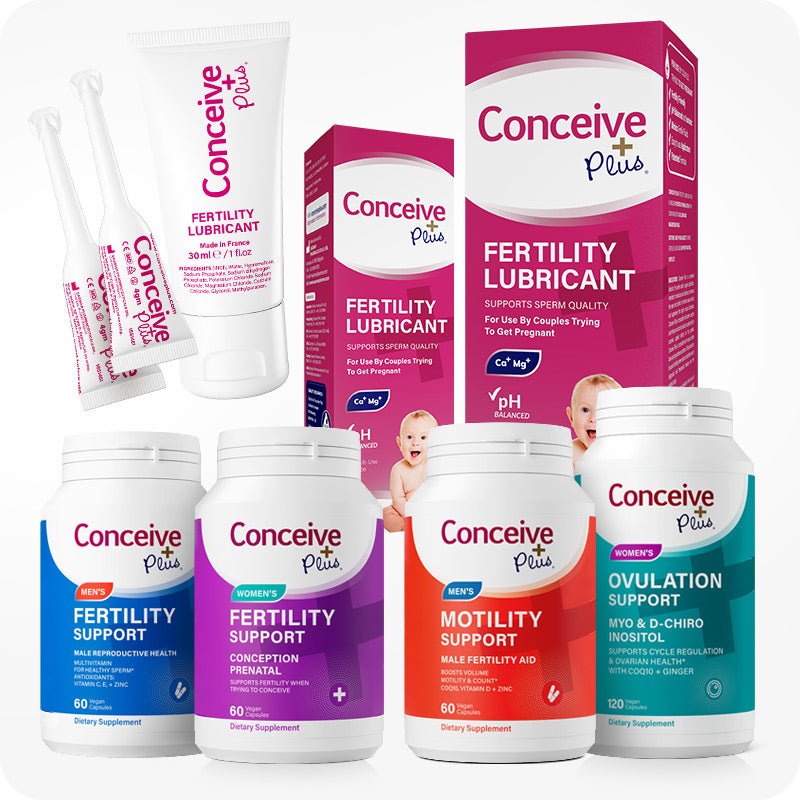
Conceive Plus offers clinically formulated fertility supplements trusted by couples worldwide. Explore Our Fertility Supplements →
The evidence base for L-carnitine and L-carnitine sperm motility is robust. Multiple randomized controlled trials have demonstrated statistically significant improvements in sperm motility following carnitine supplementation:
- A landmark 2004 study published in Fertility and Sterility found that men taking combined L-carnitine and acetyl-L-carnitine supplementation showed significant improvements in both total and forward progressive motility after 6 months of treatment.
- A 2012 meta-analysis in Asian Journal of Andrology reviewed 9 randomized controlled trials and concluded that L-carnitine supplementation significantly improved sperm motility, particularly in men with baseline motility below 40%.
- A 2019 systematic review in Reproductive BioMedicine Online found that carnitine supplementation improved sperm concentration, motility, and morphology — with the largest effect sizes seen in men with idiopathic infertility.
- A 2021 clinical trial involving 100 men with asthenozoospermia found that L-carnitine supplementation over 3 months improved progressive motility by an average of 15.3 percentage points compared to placebo.
The typical dosage studied ranges from 1,000 mg to 3,000 mg of L-carnitine (often combined with 500–1,000 mg acetyl-L-carnitine) daily for 3–6 months. This aligns with the sperm development cycle — it takes approximately 74 days to produce a mature sperm cell, so results require patience and consistent supplementation.
L-Carnitine vs. Acetyl-L-Carnitine: Which Is Better for Fertility?
When exploring L-carnitine sperm motility supplementation, you'll often encounter two forms: L-carnitine tartrate and acetyl-L-carnitine (ALCAR). While they share similar mechanisms, they have slightly different profiles:
L-Carnitine (L-carnitine tartrate): The primary form found in the epididymis. It directly supports fatty acid transport and mitochondrial ATP production. Most beneficial for improving total sperm motility and reducing oxidative stress in seminal plasma.
Acetyl-L-Carnitine (ALCAR): The acetylated form, which crosses cellular membranes more readily and may have additional antioxidant properties. Research suggests ALCAR may be particularly beneficial for forward progressive motility — the directional swimming ability that helps sperm navigate to the egg.
Most clinical trials showing the strongest results use a combination of both forms. The synergistic approach appears to cover different aspects of sperm function more comprehensively than either alone. Conceive Plus men's fertility supplements include L-carnitine as part of a comprehensive formula designed to address multiple parameters of sperm health simultaneously.
Support Sperm Motility Naturally
Conceive Plus Men's Fertility Support includes L-carnitine alongside zinc, selenium, and CoQ10 — a clinically-informed formula for comprehensive sperm health.
Shop Men's Fertility Supplements →
Other Nutrients That Work Alongside L-Carnitine for Sperm Health
L-carnitine doesn't work in isolation. For maximum benefit to sperm motility and overall male fertility, it performs best when combined with other evidence-backed nutrients:
Coenzyme Q10 (CoQ10): Like L-carnitine, CoQ10 is concentrated in sperm mitochondria and plays a direct role in ATP production. A 2019 Cochrane review found that CoQ10 significantly improved sperm motility and concentration. Many studies use CoQ10 and L-carnitine together, and the combination shows additive benefits.
Zinc: Essential for testosterone production, sperm development, and protecting sperm DNA from oxidative damage. Zinc deficiency is one of the most common nutritional causes of reduced sperm quality. Optimal levels are crucial for L-carnitine to function effectively.
Selenium: A powerful antioxidant that works with vitamin E to protect sperm membranes from lipid peroxidation. Research shows selenium supplementation improves total motility and reduces sperm DNA fragmentation.
Folate (Methylfolate): Critical for DNA synthesis and repair. Low folate correlates with increased sperm DNA strand breaks — a key factor in fertilization failure and early miscarriage.
Vitamin E: An antioxidant that protects sperm membranes from reactive oxygen species (ROS). Combined with selenium, it forms one of the body's primary antioxidant defense systems in the male reproductive tract.
These nutrients address different but complementary aspects of sperm function: L-carnitine handles energy production, antioxidants manage oxidative stress, and zinc/folate support DNA integrity. A comprehensive formula that includes all of these is more likely to produce meaningful improvements than any single ingredient alone.
Who Benefits Most From L-Carnitine Supplementation?
While L-carnitine may benefit many men, research suggests certain groups see the most pronounced improvements in sperm motility:
Men with idiopathic infertility: When no structural cause can be found, nutritional deficiencies and oxidative stress are often contributing factors. L-carnitine supplementation shows strong results in this group.
Men with confirmed asthenozoospermia (poor motility): If a semen analysis shows progressive motility below the WHO reference value of 32%, L-carnitine is one of the most well-evidenced natural interventions.
Men with varicocele: Varicocele is associated with elevated scrotal temperature and increased oxidative stress, both of which deplete carnitine levels. Post-varicocelectomy, L-carnitine supplementation has been shown to accelerate motility recovery.
Men over 35: Mitochondrial efficiency declines with age, and carnitine levels in seminal plasma decrease as men get older. Supplementation may help offset age-related declines in sperm energy production.
Men with poor diet or limited red meat intake: L-carnitine is found primarily in red meat. Vegetarians, vegans, and men with poor dietary habits are more likely to have suboptimal carnitine levels and respond well to supplementation.
How Long Until You See Results With L-Carnitine?
One of the most important things to understand about L-carnitine sperm motility supplementation is the timeline. Unlike medications that work quickly, nutritional interventions for sperm health require patience because of sperm's maturation cycle:
- Spermatogenesis (sperm production) takes approximately 74 days from stem cell to mature sperm
- Epididymal maturation (where sperm gain motility) takes an additional 12–21 days
- Total cycle: roughly 90 days (3 months) before newly developed sperm are present in ejaculate
This means that even if L-carnitine begins improving the biochemical environment immediately, you won't see the full effect in semen parameters for at least 3 months. Most clinical trials run for 3–6 months, and the studies showing the largest improvements are typically 6-month interventions.
Consistency is therefore essential. Sporadic supplementation won't produce the sustained biochemical changes needed to influence sperm parameters meaningfully. A dedicated 3–6 month supplementation protocol, ideally combined with a sperm-healthy diet and lifestyle, gives the best chance of measurable improvement.
Diet, Lifestyle, and L-Carnitine: A Comprehensive Approach
Supplements work best as part of a broader fertility-supporting lifestyle. To maximize the benefits of L-carnitine for sperm motility, consider these complementary strategies:
Diet: Increase dietary sources of L-carnitine (lean red meat, fish, chicken). Eat plenty of antioxidant-rich fruits and vegetables. Reduce processed foods, trans fats, and excessive sugar — all of which increase oxidative stress in the reproductive tract.
Exercise: Regular moderate exercise supports testosterone production and blood flow to the testes. However, avoid overtraining (particularly cycling, which increases scrotal temperature and pressure).
Heat avoidance: Sperm production is temperature-sensitive — optimal spermatogenesis occurs 2–4°C below core body temperature. Avoid hot tubs, saunas, laptops on the lap, and tight underwear.
Smoking and alcohol: Both significantly increase oxidative stress and reduce sperm quality. Quitting smoking and limiting alcohol to fewer than 5 drinks per week can improve sperm parameters within months.
Sleep: Testosterone production peaks during sleep. Chronic sleep deprivation disrupts reproductive hormones and reduces sperm quality. Aim for 7–9 hours nightly.
Conceive Plus supports couples with a comprehensive range of fertility products — including men's fertility supplements with L-carnitine — designed to complement lifestyle improvements and provide the nutritional foundation sperm health requires.
Frequently Asked Questions About L-Carnitine and Sperm Motility
Q: How much L-carnitine should I take for sperm motility?
A: Clinical studies typically use 1,000–3,000 mg of L-carnitine daily, often combined with 500–1,000 mg of acetyl-L-carnitine. Always follow the dosage directions on your chosen supplement or consult a healthcare provider for personalised guidance.
Q: How long does L-carnitine take to improve sperm motility?
A: Due to the ~74-day sperm development cycle, you should allow a minimum of 3 months of consistent supplementation before expecting to see changes in semen analysis results. Most studies run 3–6 months.
Q: Can L-carnitine improve sperm count as well as motility?
A: Some studies show improvements in sperm concentration alongside motility, particularly in men with oligozoospermia (low sperm count). However, the evidence for motility improvements is stronger than for count alone.
Q: Are there any side effects of L-carnitine supplementation?
A: L-carnitine is generally well-tolerated at recommended doses. Some individuals experience mild gastrointestinal symptoms (nausea, stomach upset) at higher doses. A fishy body odour (trimethylaminuria) is rare but documented at very high doses. Consult your doctor before supplementing if you have kidney disease or are on medications.
Q: Does diet affect L-carnitine levels in sperm?
A: Yes. Red meat is the richest dietary source of L-carnitine. Vegetarians and vegans typically have lower carnitine levels in seminal plasma and may benefit more from supplementation compared to meat eaters.
Q: Should my partner also take supplements while I'm taking L-carnitine?
A: Conception is a team effort. While you focus on sperm motility, your partner can support egg quality and reproductive health with women's fertility supplements containing folate, CoQ10, and vitamin D. Conceive Plus offers a full range for both partners.
Q: Can I take L-carnitine alongside other fertility supplements?
A: Yes — in fact, L-carnitine is most effective when combined with other sperm-supporting nutrients like CoQ10, zinc, selenium, and folate. Look for a comprehensive men's fertility formula that includes all of these rather than taking multiple separate supplements.
Q: Will L-carnitine help if I have a varicocele?
A: Research shows L-carnitine can improve sperm motility in men with varicocele, both before and after surgical correction. Post-varicocelectomy, carnitine supplementation has been shown to accelerate motility recovery. Discuss treatment options with a urologist or fertility specialist.
Q: Is L-carnitine safe during active IVF or IUI cycles?
A: L-carnitine supplementation is generally continued up to the point of sperm collection for assisted reproductive procedures. Inform your fertility clinic of all supplements you're taking so they can advise appropriately for your specific protocol.
Q: Where can I find a quality L-carnitine fertility supplement?
A: Look for supplements that combine L-carnitine with complementary nutrients like CoQ10, zinc, and selenium in clinically studied doses. Conceive Plus Men's Fertility Support is formulated specifically for sperm health and includes L-carnitine as part of its comprehensive formula.
The Bottom Line: Does L-Carnitine Actually Work for Sperm Motility?
The short answer is yes — the clinical evidence supporting L-carnitine sperm motility improvements is among the strongest of any nutritional intervention for male fertility. Multiple randomized controlled trials, meta-analyses, and systematic reviews consistently show meaningful improvements in progressive motility, particularly in men with documented asthenozoospermia or idiopathic infertility.
That said, supplements are not magic bullets. L-carnitine works best as part of a comprehensive approach that includes a fertility-supporting diet, healthy lifestyle habits, and — where appropriate — medical evaluation to rule out treatable underlying causes.
If you're serious about optimizing sperm health, choosing a quality men's fertility supplement that combines L-carnitine with CoQ10, zinc, selenium, and folate gives you the broadest nutritional foundation for sperm function. Conceive Plus is trusted by couples around the world trying to conceive, and our men's fertility formulas are designed with the same evidence-based approach that defines everything we do.
🌿 Start Your Conceive Plus Journey Today
Join thousands of couples who trust Conceive Plus for evidence-backed fertility support. Shop All Conceive Plus Products →