How to Improve Egg Quality After 35: The Complete Science-Backed Guide


How to Improve Egg Quality After 35: The Complete Science-Backed Guide
If you're trying to improve egg quality after 35, you're not alone. Millions of women over 35 are navigating fertility challenges tied to egg quality, and the science is clear: targeted nutrition, lifestyle changes, and the right supplements can make a meaningful difference. This guide covers everything you need to know — from what actually damages egg quality to the evidence-backed strategies that protect and improve it.
At Conceive Plus, we've supported thousands of women on their fertility journeys with clinically informed supplements designed to work with your body's natural processes. Here's what the research says — and what you can do starting today.
Why Egg Quality Declines After 35 — And Why It's Not the Whole Story
The most honest place to start is with biology. After 35, egg quality naturally declines due to several well-documented mechanisms:
- Mitochondrial dysfunction: Eggs require enormous amounts of energy to mature and fertilise properly. After 35, mitochondrial efficiency in eggs decreases, reducing their developmental potential.
- Chromosomal errors (aneuploidy): The risk of eggs having the wrong number of chromosomes increases significantly with age. At 35, approximately 40–50% of eggs may be chromosomally abnormal; by 42, this can reach 70–80%.
- Oxidative stress accumulation: Over time, reactive oxygen species (ROS) build up in ovarian tissue, damaging the DNA and mitochondria within eggs.
- Reduced ovarian reserve: AMH (anti-Müllerian hormone) levels fall naturally, signalling fewer eggs remaining — though fewer eggs doesn't necessarily mean poor quality.
But here's what matters: egg quality is not entirely fixed. Research published in Fertility and Sterility and Reproductive Biology and Endocrinology demonstrates that nutritional interventions, particularly antioxidant supplementation, can protect eggs from oxidative damage and support healthier mitochondrial function. This is the window of opportunity — especially in the 90 days before ovulation, which is roughly how long an egg matures before release.
The 90-day window is crucial. That's why starting to improve egg quality after 35 at least three months before trying to conceive gives you the best chance of meaningful change.
CoQ10: The Most Studied Supplement for Egg Quality After 35
Ready to support your fertility? Shop Conceive Plus fertility supplements — trusted by couples and clinics worldwide.
Coenzyme Q10 (CoQ10) is the supplement with the strongest evidence base for improving egg quality, particularly in older women. Here's why it matters so much:
CoQ10 is a critical component of the mitochondrial electron transport chain — the cellular machinery that produces energy (ATP). Eggs need enormous amounts of ATP to complete meiosis and develop properly after fertilisation. CoQ10 concentrations in follicular fluid (the fluid surrounding developing eggs) are significantly higher in younger women and correlate with better embryo quality.
A landmark 2015 study published in Aging Cell by Dr. Robert Casper's team at the University of Toronto showed that CoQ10 supplementation reversed age-related decline in egg quality in older mice, dramatically improving ovarian reserve, fertilisation rates, and embryo quality. The mitochondrial biogenesis improvements were striking.
Human data is also promising. A randomised controlled trial published in Journal of Ovarian Research (2018) found that women undergoing IVF who supplemented with CoQ10 for 60 days before egg retrieval had significantly more high-quality embryos than controls.
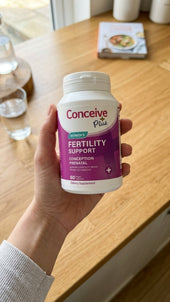
Recommended dose: Most fertility specialists recommend 200–600mg of ubiquinol (the reduced, more bioavailable form) daily. The Conceive Plus Women's Fertility Support supplement includes CoQ10 in its evidence-based formulation.
Folate vs. Folic Acid: Why the Form You Take Matters for Egg Quality
Not all folate is created equal, and this distinction matters deeply for women trying to improve egg quality after 35.
Folic acid is the synthetic form of folate. Up to 40–60% of women carry a variant of the MTHFR gene that reduces their ability to convert folic acid into its active form (5-methyltetrahydrofolate, or methylfolate). These women may appear to have adequate folate levels while their cells are actually deficient at the functional level.
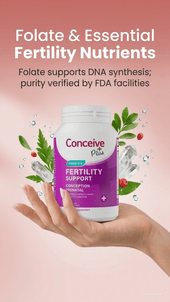
Methylfolate (L-5-MTHF) bypasses this conversion step and is directly usable by the body. Research shows that adequate methylfolate is essential for:
- DNA repair in eggs and embryos
- Proper chromosome segregation during cell division
- Reduction of homocysteine, which at elevated levels is associated with poor egg quality and implantation failure
A 2019 review in Nutrients specifically highlighted methylfolate's superiority over synthetic folic acid for women with MTHFR variants, particularly in IVF outcomes. Without knowing your MTHFR status, opting for methylfolate is the safer, more effective choice.
Conceive Plus supplements use methylfolate specifically because we formulate around what the evidence supports — not what's cheapest to manufacture.
Vitamin D and Egg Quality: The Overlooked Connection
Vitamin D deficiency is common — particularly in northern latitudes — and its impact on fertility is surprisingly significant. Vitamin D receptors are present in ovarian tissue and granulosa cells (the cells that nurture developing eggs), suggesting a direct role in follicular development.
Studies show that women with higher vitamin D levels have:
- Better IVF outcomes (higher clinical pregnancy rates)
- Higher quality embryos
- Improved implantation rates
A meta-analysis published in Human Reproduction Update (2019) analysed 11 studies and found women with sufficient vitamin D levels were 34% more likely to achieve a clinical pregnancy after IVF compared to deficient women.
For women over 35 trying to improve egg quality, checking your vitamin D levels (25-OH vitamin D blood test) is worthwhile. Optimal levels for fertility appear to be above 40–50 ng/mL, though standard "sufficient" thresholds (20 ng/mL) may be too low for optimal reproductive function.
Recommended dose: 2,000–4,000 IU daily (with K2 for proper calcium metabolism), adjusted based on your bloodwork. Always confirm with your doctor.
Omega-3 Fatty Acids: Anti-Inflammatory Support for Ovarian Health
Chronic low-grade inflammation is increasingly recognised as a contributor to declining egg quality after 35. Omega-3 fatty acids — particularly EPA and DHA from marine sources — are among the most potent natural anti-inflammatory compounds available.
Research on omega-3s and fertility shows:
- Improved follicular development: DHA is incorporated into cell membranes and supports the structural integrity of egg cells
- Better embryo morphology: Higher omega-3 levels in follicular fluid correlate with better embryo quality in IVF cycles
- Reduced miscarriage risk: Omega-3s support proper implantation and reduce inflammatory cytokines that can interfere with early pregnancy
A 2022 study in Reproductive BioMedicine Online found that women who supplemented with omega-3s for 3 months before IVF showed significantly improved mature oocyte rates and fertilisation outcomes compared to controls.
Recommended intake: 1,000–2,000 mg combined EPA + DHA daily from a high-quality, contaminant-tested source. If you're vegan or vegetarian, algae-derived DHA is an effective alternative.
The Conceive Plus Approach: What Makes It Different for Women Over 35
When you're trying to improve egg quality after 35, generic one-size-fits-all prenatal vitamins often fall short. Conceive Plus formulates specifically for the unique needs of women who are actively trying to conceive — with ingredient forms chosen for absorption and efficacy, not just cost.
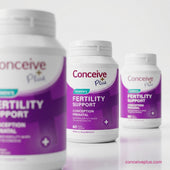
The Conceive Plus Women's Fertility Support supplement includes:
- Methylfolate (not synthetic folic acid): Directly bioavailable folate for all MTHFR variants
- CoQ10 (ubiquinol form): The reduced, most bioavailable form for mitochondrial energy support
- Vitamin D3: The more effective D3 form (not D2)
- Myo-inositol: Particularly beneficial for women with PCOS or insulin resistance affecting ovarian function
- N-acetyl cysteine (NAC): A powerful antioxidant that supports glutathione production in follicular tissue
- Zinc and selenium: Minerals critical for DNA protection and antioxidant enzyme function
Conceive Plus is used in fertility clinics and recommended by reproductive endocrinologists precisely because every ingredient is chosen on the basis of reproductive science — not filler.
👉 Shop Conceive Plus Fertility Supplements for Women — formulated specifically for women trying to conceive after 35.
Lifestyle Changes That Improve Egg Quality After 35
Supplements work best when combined with the lifestyle habits that reduce oxidative stress and support hormonal health. Here are the evidence-backed changes that complement supplementation:
Reduce Alcohol and Smoking
Even moderate alcohol consumption (3–6 drinks per week) has been associated with reduced IVF success rates and poorer egg quality. Smoking dramatically accelerates ovarian aging — women who smoke have significantly lower ovarian reserve and reach menopause 1–4 years earlier than non-smokers. If you smoke, quitting is the single most impactful change you can make for egg quality.
Optimise Sleep
Melatonin — primarily produced during sleep — is a potent antioxidant that concentrates in follicular fluid and protects eggs from oxidative damage. Research shows that night-shift workers have significantly poorer IVF outcomes, likely due to disrupted melatonin rhythms. Prioritising 7–9 hours of quality sleep per night supports natural melatonin production without supplementation.
Moderate Exercise (Not Excessive)
Regular moderate exercise improves blood flow to the ovaries, reduces inflammation, and supports insulin sensitivity — all beneficial for egg quality. However, excessive high-intensity exercise (particularly more than 10 hours per week) has been associated with ovulatory dysfunction, especially in lean women. Yoga, brisk walking, swimming, and strength training in moderation are ideal.
Reduce Plastic and Environmental Toxin Exposure
BPA, phthalates, and other endocrine-disrupting chemicals found in plastics, non-stick cookware, and certain personal care products have been linked to reduced ovarian reserve and poorer egg quality in multiple studies. Practical steps include switching to glass or stainless steel food storage, choosing fragrance-free personal care products, and filtering drinking water.
Manage Stress
Chronic psychological stress elevates cortisol, which interferes with LH signalling and can disrupt ovulation. While stress alone rarely prevents conception, there's accumulating evidence that mindfulness, acupuncture, and yoga can improve stress hormones and support better IVF outcomes in stressed women. Allocating time for genuine rest is a legitimate fertility strategy.
Nutrition for Egg Quality: The Mediterranean Approach
Diet is one of the most modifiable factors affecting egg quality after 35. The evidence most consistently supports a Mediterranean-style eating pattern for reproductive health:
Foods to emphasise:
- Colourful vegetables and fruits (antioxidants, folate)
- Fatty fish like salmon, sardines, mackerel (omega-3 DHA/EPA)
- Legumes and lentils (plant protein, folate, iron)
- Whole grains (blood sugar stability)
- Olive oil (monounsaturated fats, anti-inflammatory)
- Walnuts and almonds (omega-3 ALA, vitamin E)
- Full-fat dairy in moderation (evidence for positive fertility impact vs. low-fat dairy)
Foods to limit or avoid:
- Ultra-processed foods (inflammatory, nutrient-poor)
- Trans fats (margarine, processed snacks)
- High-glycaemic refined carbohydrates (white bread, sugary drinks)
- Processed red meat
- Alcohol
A 2018 study in Human Reproduction followed women undergoing IVF and found that those with high adherence to a Mediterranean diet pattern had a 65–68% higher chance of clinical pregnancy and live birth compared to low-adherence women.
Working With Your Doctor: Testing Egg Quality and Ovarian Reserve
While no test measures egg quality directly (quality can only be assessed during IVF when eggs are retrieved), several markers help paint the picture of ovarian health after 35:
- AMH (Anti-Müllerian Hormone): The best single marker of ovarian reserve. Low AMH doesn't mean poor quality, but very low AMH (<0.5 ng/mL) warrants specialist consultation.
- Antral follicle count (AFC): Transvaginal ultrasound count of small follicles; correlates with ovarian reserve.
- FSH and estradiol on Day 2–3: Elevated FSH or low estradiol can indicate reduced ovarian reserve.
- Thyroid panel: Thyroid dysfunction is surprisingly common and significantly impacts fertility; TSH should ideally be below 2.5 mIU/L when trying to conceive.
- Vitamin D levels: 25-OH vitamin D blood test.
If you're over 35 and have been trying to conceive for 6 months without success, most guidelines recommend seeing a reproductive specialist at that point (rather than the standard 12 months for younger women). Early evaluation gives you more options and more time.
Conceive Plus vs. Generic Prenatal Vitamins: What's the Difference?
Standard prenatal vitamins are designed for pregnancy maintenance — not for the specific challenge of trying to conceive after 35, where egg quality optimisation is the priority. Here's how Conceive Plus differs:
| Feature | Generic Prenatal | Conceive Plus |
|---|---|---|
| Folate form | Folic acid (synthetic) | Methylfolate (active form) |
| CoQ10 | Rarely included | Included (ubiquinol form) |
| Myo-inositol | Not included | Included |
| NAC antioxidant | Not included | Included |
| Formulated for TTC | No | Yes |
Frequently Asked Questions: Improving Egg Quality After 35
Q: Can you really improve egg quality after 35?
A: Yes — while you cannot reverse chronological aging of eggs, you can significantly improve the conditions in which eggs develop. Reducing oxidative stress through antioxidants, supporting mitochondrial function with CoQ10, and ensuring adequate micronutrients can meaningfully improve your fertility prospects.
Q: How long does it take to improve egg quality?
A: Eggs take approximately 90 days (3 months) to mature from primordial follicles to ovulatory eggs. This is why fertility specialists recommend beginning supplements and lifestyle changes at least 3 months before you plan to try to conceive.
Q: What is the most important supplement to improve egg quality after 35?
A: CoQ10 has the strongest evidence base specifically for egg quality in older women. However, the combination of CoQ10, methylfolate, vitamin D, omega-3s, and antioxidants is more powerful than any single supplement. Conceive Plus Women's Fertility Support provides a clinically informed combination in one supplement.
Q: Does poor egg quality mean I can't get pregnant?
A: Not necessarily. Many women with declining egg quality conceive naturally or through IVF. Poor egg quality increases the risk of chromosomal abnormalities and early miscarriage, but it's not an absolute barrier. Working with a reproductive specialist gives you a clearer picture of your individual situation.
Q: Is it too late to try after 38?
A: Absolutely not. Women conceive naturally and through IVF at 38, 40, 42, and beyond. While success rates do decline with age, meaningful chances remain. Optimising egg quality, working with a specialist, and understanding your individual ovarian reserve profile are all key.
Q: Does stress affect egg quality?
A: Chronic stress elevates cortisol and can disrupt ovulatory hormones. While stress alone rarely prevents conception, managing chronic psychological stress through mindfulness, exercise, and sleep is a legitimate fertility strategy.
Q: Does diet really affect egg quality?
A: Yes. Studies consistently show that women following Mediterranean-style eating patterns have better IVF outcomes. Key factors include adequate antioxidant intake, omega-3 fatty acids, and blood sugar stability.
Q: How do I know if my egg quality is poor?
A: There's no direct test for egg quality outside of IVF. AMH, antral follicle count, and FSH levels can indicate ovarian reserve, and your fertility specialist can interpret these in context of your age and reproductive history.
Q: Is CoQ10 safe to take when trying to conceive?
A: CoQ10 has an excellent safety profile and is widely used in fertility preparation. Most studies use doses of 200–600mg daily. As with all supplements, discuss with your healthcare provider before beginning.
Q: Does Conceive Plus contain CoQ10 and methylfolate?
A: Yes. Conceive Plus Women's Fertility Support is formulated with CoQ10 (ubiquinol form), methylfolate, myo-inositol, NAC, vitamin D3, zinc, and selenium — all evidence-informed choices for women trying to conceive.
Building Your 90-Day Egg Quality Protocol
If you're over 35 and planning to conceive in the next few months, here's a practical starting framework:
Start immediately (Day 1):
- Begin Conceive Plus Women's Fertility Support daily
- Get baseline bloodwork: AMH, vitamin D, thyroid panel, CBC
- Eliminate alcohol and smoking
- Switch to filtered water, glass/stainless food storage
Week 1–2:
- Shift diet toward Mediterranean pattern
- Establish consistent sleep routine (7–9 hours)
- Begin regular moderate exercise (5x per week, 30–45 min)
- Book appointment with OBGYN or reproductive endocrinologist if TTC >6 months
Month 1–3:
- Continue supplement protocol consistently
- Manage stress proactively (yoga, mindfulness, acupuncture)
- Track ovulation to time intercourse effectively
- Follow up bloodwork results with doctor
Consistency over three months is what creates meaningful change at the cellular level. Your eggs are maturing right now — what you do in the next 90 days can influence their quality when they're released.
👉 Start Your Egg Quality Journey with Conceive Plus — science-backed fertility supplements trusted by women and clinics worldwide.
Start your fertility journey with Conceive Plus. Explore our complete range — formulated with the nutrients that matter most when trying to conceive.