Fertility Myths Debunked: Separating Evidence-Based Facts from Common Misconceptions


Fertility Myths Debunked: Separating Evidence-Based Facts from Common Misconceptions
When you are trying to conceive, advice comes from everywhere — friends, family, the internet, and even well-meaning strangers. Much of this advice is based on outdated beliefs and misconceptions rather than scientific evidence. Fertility myths can cause unnecessary stress, delay conception, and lead couples to waste time and energy on ineffective strategies while ignoring approaches that actually work.
In this comprehensive guide, we examine the most persistent fertility myths through the lens of current medical research. By understanding what the science actually says, you can make informed decisions and avoid common pitfalls.
Myth #1: You Are Most Fertile on Day 14 of Your Cycle
The idea that every woman ovulates on day 14 of a 28-day cycle is one of the most pervasive fertility myths. A study in the Journal of Obstetrics and Gynaecology found only about 30% of women are fertile during days 10 to 17. Ovulation timing varies based on cycle length, hormonal fluctuations, stress, illness, and travel.
The truth: The fertile window spans the six days ending on ovulation day. Ovulation predictor kits, basal body temperature charting, and cervical mucus tracking provide far more reliable indicators. Research confirms that using OPKs increases conception rates by identifying the LH surge that precedes ovulation by 24 to 36 hours.
Myth #2: Fertility Problems Are Usually the Woman’s Fault
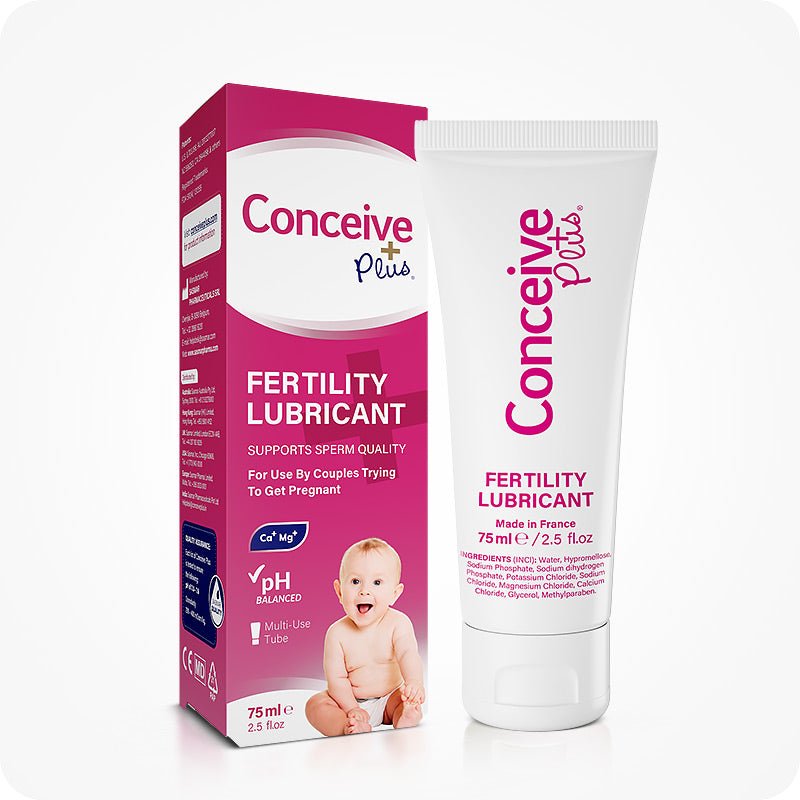
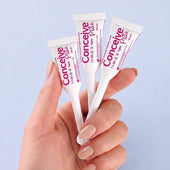
Supporting your body with the right tools makes a real difference. Conceive Plus Fertility Lubricant is clinically tested to create an optimal environment for conception — gentle, effective, and designed with your fertility journey in mind.
This myth has caused immeasurable stress for women over generations. According to the WHO, infertility is attributed to male factors in 40 to 50% of couples. About one-third of cases involve female factors, one-third involve male factors, and the remainder involve combined or unexplained causes.
Male fertility depends on sperm count, motility, morphology, and DNA integrity. Sperm quality has declined globally by 50 to 60% over five decades. Yet women are still often the first to undergo extensive testing while male partners are not evaluated.
The truth: Fertility evaluation should include both partners from the beginning. The ASRM recommends simultaneous evaluation to speed diagnosis and reduce psychological burden on women.
Myth #3: You Should Have Sex Every Day
Research in the New England Journal of Medicine found that daily ejaculation can slightly reduce sperm count and motility in men with borderline parameters. For men with normal counts it is fine, but for those with poor parameters, waiting 48 hours may optimise quality. The key is quality timing, not frequency.
Myth #4: Lying with Your Legs Up Improves Conception
Sperm reach the fallopian tubes within minutes. A study in Human Reproduction found no difference in pregnancy rates between women who rested and those who got up immediately. The cervix retains sperm naturally and cervical mucus provides optimal transport.
Myth #5: All Lubricants Are the Same
Many commercial lubricants impair sperm motility. Saliva contains enzymes that digest sperm cell membranes. A study in the Journal of Andrology found most lubricants reduce sperm motility within minutes. Fertility-friendly lubricants like Conceive Plus are formulated to mimic fertile cervical mucus, maintaining optimal pH and osmotic balance for sperm survival.
Myth #6: Stress Causes Infertility
While acute stress can affect ovulation and sperm production, a randomised trial in Fertility and Sterility found that mindfulness-based stress reduction did not increase live birth rates. Manage stress for wellbeing, not because you believe it is the key to conception.
Myth #7: Age Only Matters for Women
Advanced paternal age is associated with decreased sperm quality and increased DNA fragmentation. A study of over 12,000 couples found pregnancy rates declined when male partners were over 40, regardless of female age. Both partners ages matter.
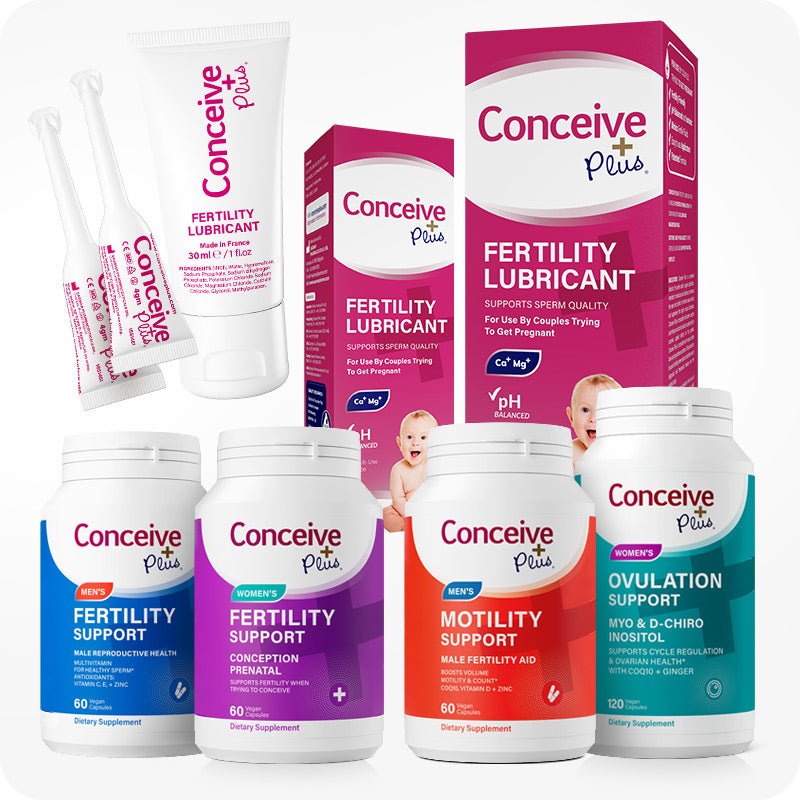
Your fertility journey deserves products you can trust. Conceive Plus Fertility Lubricant is the clinically tested, fertility-friendly choice that supports sperm health and enhances comfort when it matters most.
Frequently Asked Questions
Can sexual positions improve pregnancy chances?
No evidence supports this. Timing during your fertile window is what matters.
Does douching prevent pregnancy?
No. Douching disrupts the vaginal microbiome and increases infection risk.
Can I get pregnant during my period?
Unlikely but possible with short cycles. Sperm can survive up to five days.
Do fertility cleanses help?
No evidence supports this. The body detoxifies itself naturally.
Does folic acid speed up conception?
It prevents neural tube defects but does not speed conception. Take 400 to 800 mcg daily.
Does a tilted uterus cause infertility?
No. A retroverted uterus is normal in 20 to 30% of women.
Can weight loss improve fertility?
Yes. Even 5 to 10% weight loss can restore ovulation in overweight women.
Is sex during early pregnancy harmful?
Safe for most women with low-risk pregnancies.
Can phone radiation affect male fertility?
Some studies suggest a link. Keep your phone in a bag as a precaution.
Does breastfeeding prevent pregnancy?
Lactational amenorrhea can suppress ovulation but is unreliable.